



JW Marriott Maldives Resort & Spa achieves first Green Globe Certification
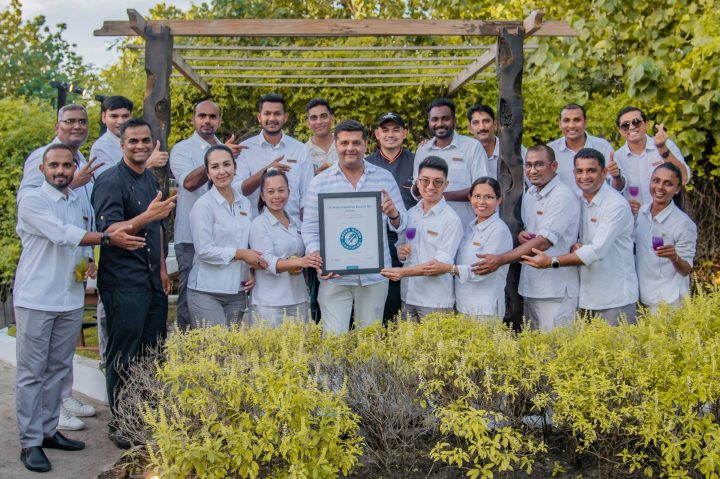
JW Marriott Maldives Resort & Spa has been awarded its inaugural Green Globe certification, marking a significant milestone in its commitment to sustainable luxury. Situated in Shaviyani Atoll, where the turquoise waters of the Indian Ocean meet pristine white sands, the resort is redefining the concept of luxury in harmony with nature. In a global climate shaped by environmental awareness and responsible travel, the property has placed sustainability at the forefront, ensuring eco-conscious practices while preserving the fragile Maldivian ecosystem.
A key achievement in this journey is the establishment of an in-house water bottling plant, powered by the EcoPure Waters purification system. This facility has eliminated the use of single-use plastic bottles across the resort, instead producing purified water in reusable glass bottles for villas, restaurants, bars, and staff areas. This initiative alone has reduced plastic waste by more than 100,000 bottles annually, preventing harmful impacts on the islands and surrounding marine environment.
Sustainability is also reflected in the resort’s culinary offerings. Guests are invited to take part in the JW Garden to Table cooking class, set within the resort’s expansive 3,600-square-foot JW Garden. The garden is home to 10 varieties of herbs, 25 types of vegetables, and five types of tropical fruits, all grown organically. Crops include sage, coriander, lemongrass, tamarind, mango, passion fruit, red amaranth, tomato, and sweet corn. Guided by chefs, participants harvest ingredients and prepare a four-course meal showcasing the flavours of the Maldives.
Complementing this, the JW Garden to Glass cocktail-making class at Horizon Bar allows guests to craft cocktails using fresh botanicals and garnishes sourced directly from the garden. Both experiences aim to foster appreciation for sustainability, local agriculture, and mindful consumption.
In terms of sourcing, the resort has pledged to procure 100 per cent of its animal proteins—including beef, lamb, pork, poultry, and eggs—as whole or minimally processed products. It is also working towards Marriott International’s global pledge to use only cage-free eggs by the end of 2025. Seafood is carefully selected to ensure it is either wild-caught or responsibly farmed, supporting biodiversity and sustainable fishing practices. By 2025, the resort aims to source at least half of its produce locally, reducing food miles and strengthening community ties.
Ethically sourced coffee, tea, cocoa, and sugar form part of the beverage offering, ensuring traceability and fair trade. Guest amenities, such as soaps, lotions, laundry bags, and shaving kits, are chosen with sustainability in mind, with a preference for biodegradable materials and refillable containers. Office supplies, tissues, towels, linens, and uniforms are also sourced from sustainable materials, further lowering the resort’s carbon footprint.
These initiatives align with Marriott International’s Serve 360 platform, which guides sustainability and social impact efforts across its global portfolio. As the hospitality industry continues to address challenges posed by climate change, resource scarcity, and evolving guest expectations, JW Marriott Maldives Resort & Spa demonstrates that luxury and sustainability not only coexist but also enhance one another.