




DarGlobal targets tokenisation launch for Trump Maldives hotel project within 3 months
DarGlobal has set a three-month timeline to launch the tokenisation of its Trump International Hotel Maldives, positioning the development as the world’s first fully tokenised hotel project at the construction stage.
The London-listed luxury real estate developer confirmed that it is finalising the legal and regulatory framework for the USD 300 million project, working closely with the digital assets arm of London Stock Exchange Group, which launched its Digital Markets Infrastructure platform in September 2025.
Speaking in an interview with Arabian Business, DarGlobal Chief Executive Officer Ziad El Chaar said the company was close to completing the structure required to bring the product to market.
“We are combing through the legal structure, because it’s the first time to be done,” El Chaar said. “This is a regulated product because it has an asset to back it. This is an investment product. We are talking to regulators. We’re talking to the new entity that was established in the London Stock Exchange, the new digital assets entity.”
The Maldives project, first announced in November 2025, departs from conventional real estate tokenisation models by offering investors access to the development phase itself, rather than completed assets. According to DarGlobal, this approach allows token holders to participate as partners alongside the developer, targeting higher returns typically associated with real estate development.
“If you’re not making at least an eighteen to twenty percent return as a developer, you would not get involved in a project,” El Chaar said. “Compare that to tokenising completed assets – how much would the returns be? Two percent after tax? One and a half percent? Tokenising assets doesn’t work.”
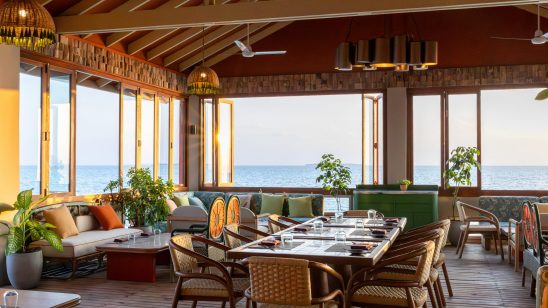
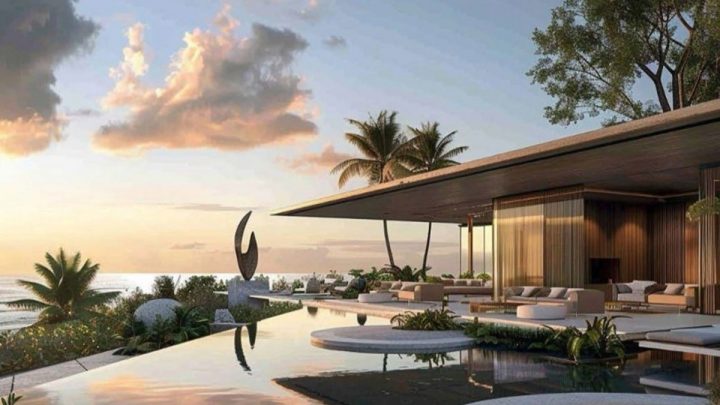
Located approximately 25 minutes by speedboat from Malé, the Trump International Hotel Maldives will comprise around 80 ultra-luxury beach and overwater villas. The resort is scheduled to open by the end of 2028.
DarGlobal will retain a 30–40 percent stake in the project, while the remaining equity will be made available through blockchain-based tokens priced at USD 1,000 each. The structure significantly lowers the entry threshold compared to traditional real estate funds, which often require minimum investments of USD 50,000 or more.
“This makes it much easier to sell, much more liquid to resell, and at the same time, you are buying with clarity that everything is on the blockchain,” El Chaar said. “We’re hoping that those trillions that are in the crypto world, we will give them an investment that is asset backed, not just another coin in the ether.”
El Chaar said the Maldives was selected as the inaugural project due to its established track record for hospitality investment returns.
“If you want to start for the first time ever, you want to start in a place where it’s very hard not to make money,” he said. “All the key hotels that are close to the airport in the Maldives, they’ve always made very good returns for their investors.”
DarGlobal’s move comes amid growing interest in tokenised real-world assets. Deloitte forecasts the global tokenisation market will reach USD 4 trillion by 2035, growing at an annual rate of 27 percent from under USD 300 billion in 2024.
If successful, the model could be expanded across DarGlobal’s wider international portfolio, which includes multiple developments with the Trump Organisation in the Gulf region. The company has also announced USD 10 billion worth of projects in Saudi Arabia, following the kingdom’s decision to open its real estate market to foreign investors.