



Solar at scale: How RAH GILI MALDIVES is reducing diesel dependence and embracing sustainability
During a recent visit to RAH GILI MALDIVES, we encountered a part of the island that most guests may never see, but which could become one of the defining elements of the resort’s operating model.
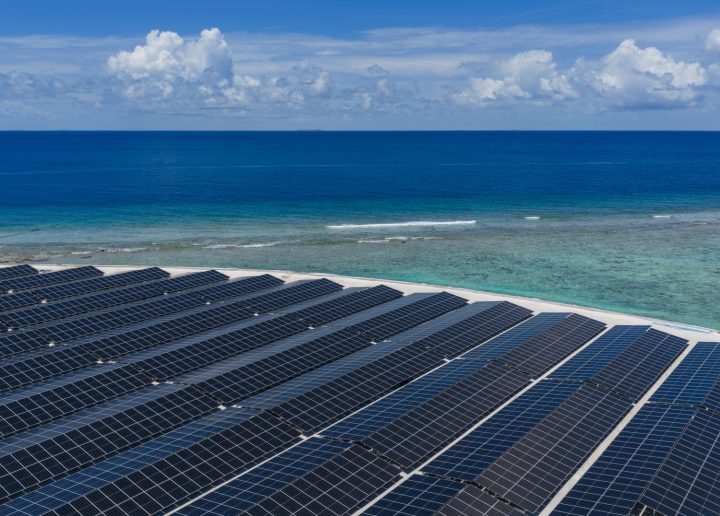
Beyond the villas, dining venues and guest pathways, in the back-of-the-house area of the resort, lies an expansive solar installation spread across reclaimed land developed specifically for operational infrastructure. Built away from the guest-facing areas, the solar field reflects a decision that is both practical and strategic: to dedicate valuable island space to renewable energy generation at a scale rarely seen in the Maldives resort sector.
RAH GILI MALDIVES, the first resort to open under the new SIX & SIX PRIVATE ISLANDS hospitality company, has installed a 2MW solar power system supplied by Swimsol. The installation comprises 3,186 solar panels, each with a capacity of 625 watts, supported by a 2,500kWh battery storage system. Together, the system forms a central part of the resort’s hybrid energy model, which combines solar generation with diesel power.
For an island resort, energy is not a back-office concern. It is one of the foundations on which the entire guest experience depends. Every villa, kitchen, laundry, desalination system, cold room, lighting network, staff facility and operational system requires reliable electricity around the clock. In the Maldives, where resorts operate as self-contained islands, that power has traditionally depended heavily on imported diesel.
At RAH GILI MALDIVES, the resort’s projected daily energy consumption is approximately 17,000kWh. Of this, around 8,000kWh is expected to come directly from solar energy. On that basis, solar will account for nearly half of the resort’s daily electricity requirement under projected operating conditions, reducing the use of diesel generation and lowering exposure to global fuel price volatility.
The timing of such an investment is significant. International fuel markets have been under renewed pressure in recent months, with the war in Iran and uncertainty around regional shipping routes adding further strain to energy prices. For island resorts in the Maldives, where fuel must be imported, transported, stored and managed locally, fluctuations in oil prices directly affect operating costs.
RAH GILI MALDIVES estimates that its solar installation will reduce fuel consumption by approximately 540,000 litres annually. This is expected to translate into savings of around USD 400,000 per year, while also reducing emissions associated with diesel-based power generation.
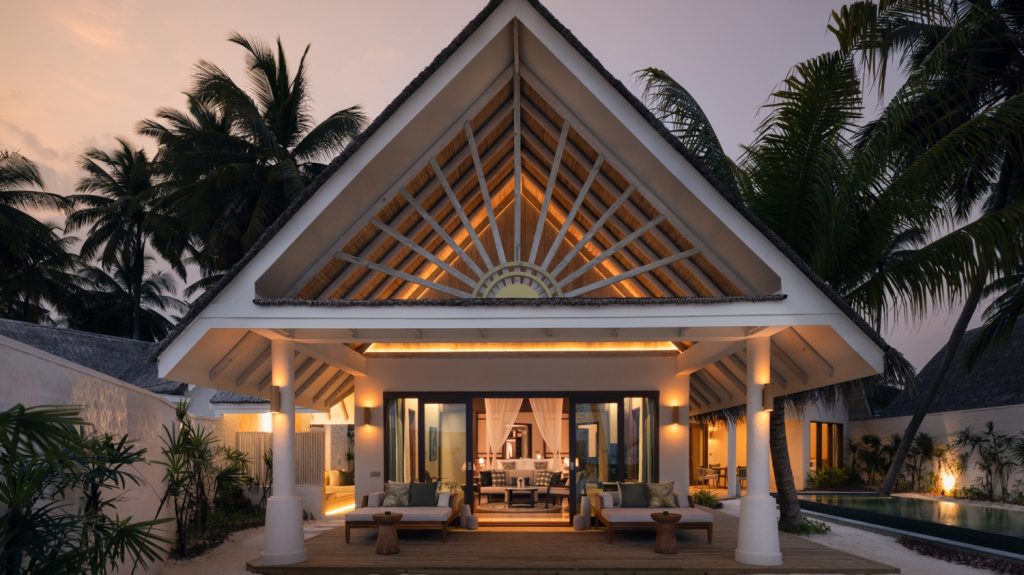
André Kretschmann, General Manager for RAH GILI MALDIVES, said the solar investment reflects the resort’s approach to responsible island operations.
“RAH GILI was created with the belief that luxury and responsibility must belong together,” Kretschmann said. “For us, sustainability is not a statement placed at the end of a brochure. It is part of how the island has been planned, built and operated. The solar installation is one of the clearest examples of that commitment because it supports both environmental responsibility and long-term operational resilience.”
The system also demonstrates how resort development in the Maldives is beginning to move beyond symbolic sustainability measures. While guest-facing initiatives such as plastic reduction, coral planting and marine education are important, energy infrastructure is one of the areas where the environmental and commercial impact can be measured most directly.
RAH GILI MALDIVES’ solar field sits in the land back-of-the-house section of the island, in an area reclaimed and dredged for this purpose. This choice is notable in a resort environment where land is limited and every square metre usually carries a commercial or experiential value. Instead of treating energy infrastructure as an afterthought, the resort has allocated dedicated space to support renewable power generation.
“An island resort is, in many ways, its own small ecosystem,” Kretschmann said. “We have to think about energy, water, waste, transport, guest comfort and team welfare as connected parts of the same operation. By dedicating back-of-house land to solar, we made a conscious decision to use the island in a way that serves its future, not just its present.”

The technical design is based on a hybrid model. Solar power generated during the day contributes directly to the resort’s energy load, while the battery storage system helps stabilise supply and store energy for operational use. Diesel generation remains part of the system, ensuring reliability, particularly during periods of lower solar production or higher demand.
This balance is important for resorts where uninterrupted power is essential. A full transition away from diesel remains complex for island properties with high and continuous energy requirements. However, by reducing the amount of diesel used each day, solar-hybrid systems can meaningfully lower operating costs and emissions while maintaining reliability.
The 2,500kWh battery storage backup gives the resort greater flexibility in managing solar energy. It allows the system to absorb generation during peak daylight hours and support energy use beyond immediate production. In practical terms, this helps reduce sudden dependence on diesel generators and improves the overall efficiency of the island’s power network.
The installation’s scale is also significant. With 2MW of installed capacity, RAH GILI MALDIVES has developed one of the largest solar installations currently associated with a single resort island in the Maldives. While several resorts and resort groups have invested in solar energy in recent years, a dedicated land-based back-of-house system of this size places RAH GILI among the more ambitious renewable energy adopters in the country’s hospitality sector.
For guests, the solar field may remain largely unseen. Yet its effect is present in the background of the island experience. It supports the power that cools villas, lights pathways, runs kitchens, produces water, charges buggies and enables the daily rhythm of resort life. It also gives substance to the resort’s wider sustainability message, which is built around a connection to place, community and nature.
RAH GILI MALDIVES has been positioned as an island where the spirit of the Maldives is woven into the guest experience. Set in South Malé Atoll, beside waters associated with spinner dolphins, the resort presents itself as a private island society shaped by nature, culture and human connection. The solar installation extends that philosophy into operations, where the care shown to the guest environment is matched by attention to the systems that keep the island running.
“The most meaningful sustainability work is often the work guests do not immediately see,” Kretschmann said. “A guest may experience the beauty of the lagoon, the comfort of the villa, the warmth of service or the rhythm of the island. Behind that, there must be careful choices that protect the place and make the operation more efficient. That is where true responsibility begins.”
The resort’s sustainability framework extends beyond energy. RAH GILI MALDIVES has incorporated desalination and bottling systems to reduce dependence on imported bottled water, composting facilities to support organic waste management, and measures to eliminate single-use plastics. It also runs coral planting initiatives and marine education programmes designed to involve guests in the protection of the surrounding marine environment.
These initiatives reflect a broader shift in the Maldives tourism industry. Sustainability is no longer confined to conservation messaging or optional guest activities. Increasingly, it is becoming a question of infrastructure, engineering, procurement and financial planning. Resorts that reduce diesel consumption, improve water systems, manage waste more effectively and protect marine habitats are not only lowering their environmental footprint; they are also strengthening their business model.

At RAH GILI MALDIVES, energy efficiency has been built into the property in other ways as well. The resort incorporates insulated roofing systems that help reduce heat transfer, lowering the cooling load across buildings. LED technologies have also been used throughout the property to reduce electricity consumption without affecting comfort, design or ambience.
These measures may appear incremental when viewed separately, but together they contribute to a more efficient operating platform. A solar installation can reduce diesel use, but its impact is strengthened when overall demand is managed through better building design and lower-consumption technologies. In this sense, RAH GILI’s sustainability approach is not limited to producing renewable energy; it also focuses on using less energy where possible.
For the Maldives, this approach carries wider relevance. Tourism remains one of the country’s most important economic sectors, but resort operations are energy-intensive. Each reduction in diesel use helps reduce import dependence, operational exposure to oil price shocks and emissions from power generation. While the savings of one resort may appear limited in national terms, the combined effect of similar investments across the industry could be substantial.
Kretschmann said the business case for sustainability has become clearer as fuel markets have become more unpredictable.
“Every litre of diesel we do not burn has value,” he said. “It has environmental value, because it reduces emissions. It has operational value, because it lowers dependence on fuel logistics. And it has financial value, especially at a time when global fuel prices can change quickly due to events far beyond the Maldives. For an island resort, renewable energy is not only the right thing to do; it is an intelligent way to operate.”
RAH GILI MALDIVES’ solar installation also points to the evolving role of engineering teams in luxury hospitality. In the past, engineering was often viewed primarily as a maintenance function, responsible for keeping systems running out of sight. Today, engineering and sustainability teams are central to how resorts define their environmental performance, cost structure and resilience.
The resort’s back-of-house solar field is therefore more than a technical asset. It is a statement about how new-generation resorts can be developed in the Maldives: with guest experience in the foreground, and responsible infrastructure working quietly behind it.
As the first resort in the SIX & SIX PRIVATE ISLANDS collection, RAH GILI MALDIVES carries the responsibility of setting the tone for the brand. Its solar investment suggests that the company’s philosophy of island hospitality is not confined to design, wellness, dining or storytelling. It extends into the operational architecture of the island itself. In a destination where natural beauty is the foundation of tourism, the systems that protect that beauty are becoming increasingly important. At RAH GILI MALDIVES, thousands of solar panels in a back-of-house area are doing that work every day, turning sunlight into power and sustainability into practice.