




BML CEO says ‘invisible’ payments will shape Maldives’ financial future
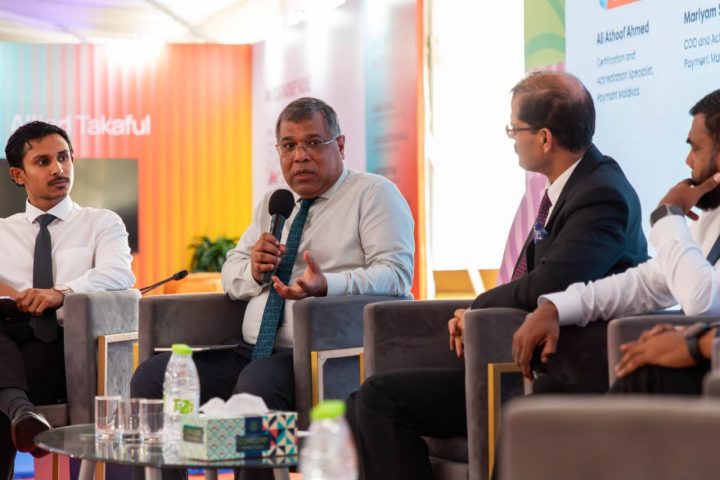
Bank of Maldives (BML) Chief Executive Officer and Managing Director Mohamed Shareef says the country’s financial system is expected to move towards an “invisible” payment model over the next five years, with transactions taking place seamlessly in the background.
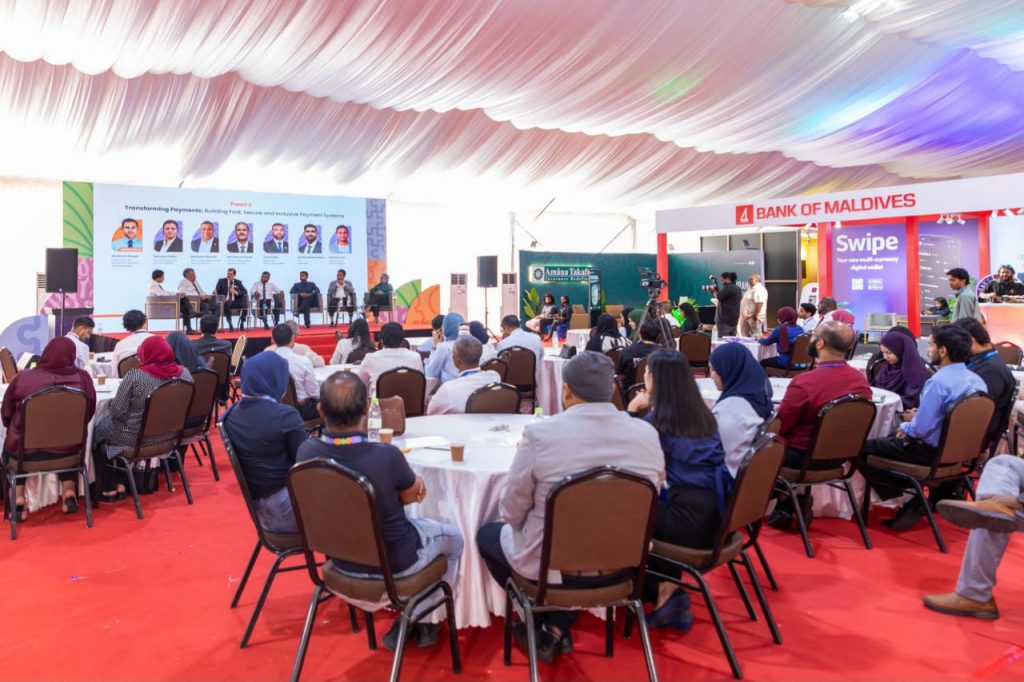
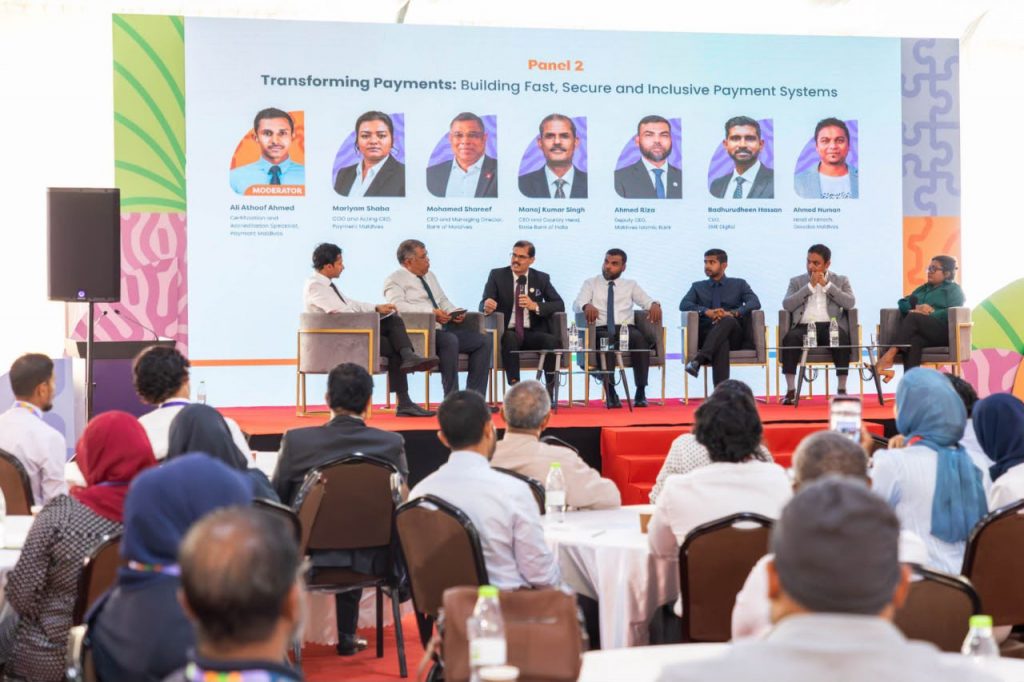
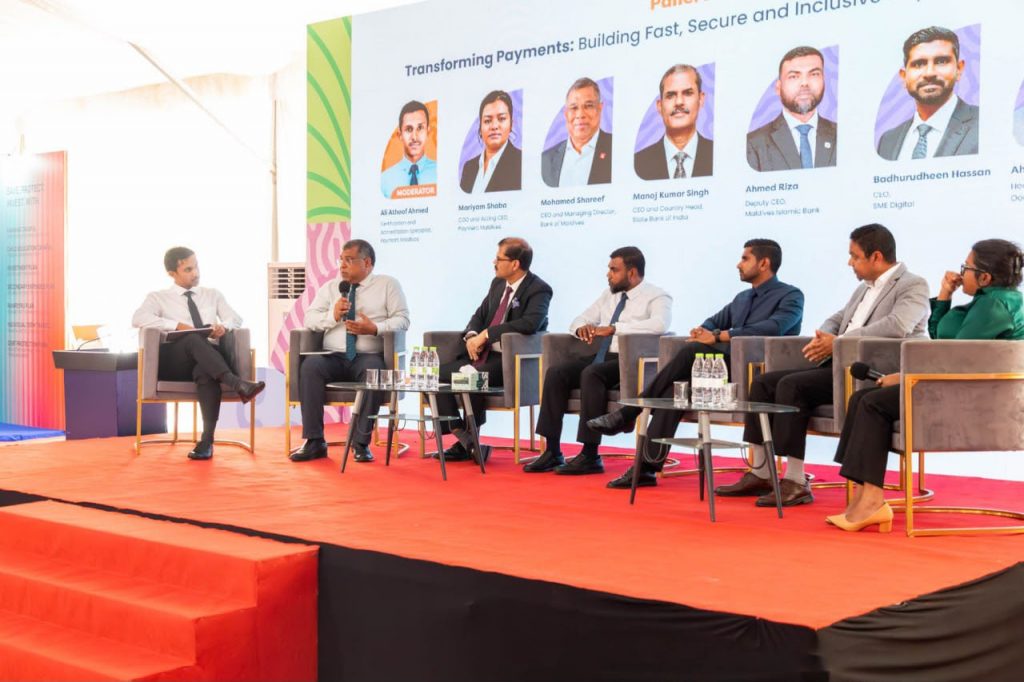
Speaking during a panel discussion at the Maldives Financial Forum last Thursday, Shareef said the next stage of digital finance would focus on making payments simpler rather than introducing entirely new payment methods.
He said advances in Application Programming Interfaces (APIs) would allow payment systems to connect multiple service providers, enabling transactions to be completed automatically.
“When that happens, financial transactions will occur seamlessly behind the scenes. For instance, imagine a tourist booking a holiday, and the payment is instantly split and processed to the resort, the seaplane, the speedboat and the excursion providers—without even needing to look at which bank the tourist is using. This is the power of a payment ecosystem interconnected via Application Programming Interfaces (APIs),” Shareef said.
He said biometric technologies, including digital identities, fingerprint authentication and facial recognition, are expected to become a routine part of financial services.
Shareef also said artificial intelligence would play a larger role in payment systems by analysing transaction data to provide working capital to small and medium-sized enterprises, deliver personalised financial guidance and strengthen fraud prevention.
He said the Maldives should prepare for these developments and ensure its financial sector can support changing consumer and tourism requirements.
According to Shareef, the country should also be prepared to facilitate payments using digital assets if visitors choose to use stablecoins or cryptocurrencies.
He said investment should also focus on improving digital literacy, developing workforce skills, strengthening cybersecurity and increasing collaboration among regulators, banks, financial technology companies and educational institutions.
“We have laid the foundation, but this is not the end. The pace at which technology is advancing within the digital payments sector means no institution has the luxury of standing still. Our greatest asset for advancement is our ability to continuously learn and adapt to changing environments,” he said.
Shareef added that the long-term goal should be a payment ecosystem where transactions are processed securely and efficiently across platforms, regardless of the financial institution used by the customer.