




45 years in Maldives: Manjula Herath on leadership, trust and Bank of Ceylon’s next chapter
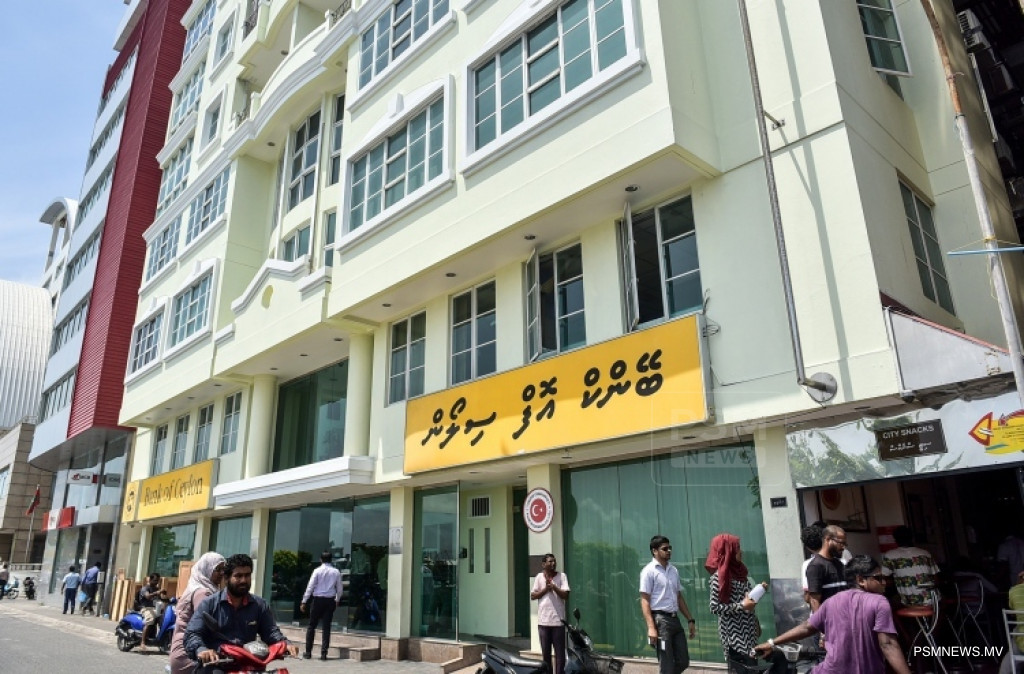
On 7 May 2026, Bank of Ceylon Maldives marked 45 years of continuous presence in the country — a milestone that reflects not only the bank’s longevity, but also its enduring role in the Maldives’ economic story.
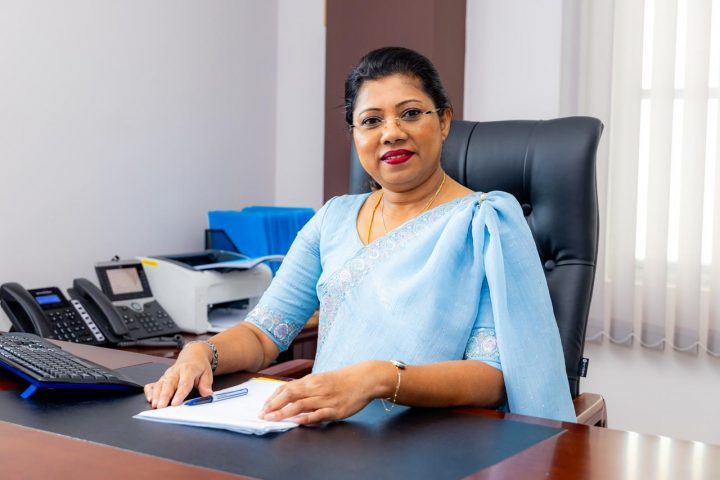
For Manjula Herath, Country Manager of Bank of Ceylon Malé and the bank’s first female Country Manager in the Maldives, the moment is both institutional and deeply personal. “This milestone is deeply meaningful to me both professionally and personally,” she says. “Being entrusted to lead the bank at such a historic moment, as its first female Country Manager in the Maldives, reflects not only my own journey but also the institution’s progressive outlook.”
There is weight in that reflection. Forty-five years is long enough for a bank to become more than a financial institution. It becomes part of the commercial rhythm of a country — particularly in the Maldives, where trade, foreign exchange, tourism and cross-border transactions are all central to how business moves.
For Herath, the significance of this anniversary lies not simply in the number of years, but in what those decades represent. “More importantly, it represents 45 years of trust, resilience, and partnership with the Maldivian economy,” she says. “It is a privilege to build on this legacy while contributing to its next phase of growth.”
From banking support to development partner
When Bank of Ceylon established its presence in the Maldives in 1981, its role was shaped by the financial needs of that time: facilitating trade, supporting foreign exchange requirements and providing essential banking services. But the Maldives has changed substantially since then, and so has the role of the bank.
“The transition has been from being a transactional service provider to becoming a strategic partner that contributes to stability, growth, and long-term value creation in the Maldivian economy,” Herath says.
That shift is central to how she views the bank’s position today. A foreign bank in the Maldives is no longer just there to process transactions or facilitate imports. It is expected to understand the market, support investment, connect businesses to regional and international networks, and remain present through both growth cycles and more difficult periods.
Bank of Ceylon Maldives, Herath says, now plays “a much broader role as a long-term partner in economic development”, supporting sectors such as tourism, infrastructure, housing and private enterprise while helping enable financial connectivity with global markets.
A bank shaped by tourism, and shaped alongside it
The most immediate part of that story lies in the tourism sector.
Tourism has been at the centre of the Maldivian economy for decades, and Herath is clear that it has also been central to Bank of Ceylon Maldives’ operations and evolution. “Over the years, Bank of Ceylon Maldives has actively supported the development of the sector, from early-stage resort financing to large-scale developments,” she says.
That support has taken different forms as the industry itself has expanded and become more layered. The bank has adapted its services through “tailored financial solutions such as project financing for resorts, working capital facilities for suppliers, trade finance for imports, and foreign currency solutions,” while also extending support to emerging segments including guesthouse tourism and SMEs.
This reflects a broader truth about the Maldivian hospitality industry today. It is no longer defined solely by large resort developments. It includes suppliers, logistics providers, service companies, transport operators, guesthouses and smaller tourism-linked enterprises that all require financial systems designed around the realities of their businesses.
Financing a more complex hospitality industry
According to Herath, one of the most significant changes over the past decade has been the increasing sophistication of financing needs across the hospitality sector.
“The financing landscape has become more sophisticated over the past decade,” she says. “There has been a shift from traditional lending to structured project financing, including syndicated loans and larger investment frameworks.”
That evolution matters in a market where tourism projects are growing in scale, operational demands are becoming more complex, and businesses are more exposed to global cost movements and foreign currency dynamics. Herath notes that hospitality businesses now require “more flexible and cash flow-based financing, as well as foreign currency funding aligned with their revenue streams.”
Just as importantly, the post-pandemic operating environment has changed expectations around resilience. “There is also a growing emphasis on sustainability, efficiency, and resilience, especially following global disruptions such as the COVID-19 pandemic,” she says. “As a result, financial solutions today must be more adaptive, forward-looking, and risk-sensitive.”
Where the next phase of tourism growth lies
As the Maldives looks to its next phase of tourism development, Herath sees opportunity across several fronts.
“We see strong opportunities in supporting the expansion of tourism into new islands, as well as the development of integrated resorts and supporting infrastructure such as transport, utilities, and logistics,” she says.
That outlook goes beyond resort construction alone. It recognises that tourism growth in the Maldives increasingly depends on the systems around the resorts as much as the properties themselves — how they are supplied, connected, powered and sustained.
Herath also sees growing scope in projects tied to sustainability. “There is also significant potential in financing sustainability-focused projects, including environmentally responsible resort developments and energy-efficient initiatives,” she says. “Our role will be to provide financial solutions that enable sustainable and inclusive growth across the sector.”
This is a notable point in the Maldivian context. As environmental pressures and climate vulnerability continue to shape investment thinking, financing linked to long-term sustainability is becoming less of a niche and more of a commercial imperative.
Digital expectations, human relationships
Hospitality businesses today expect their banks to be faster, more digital and more integrated into daily operations. Yet in a relationship-driven market such as the Maldives, technology alone is not enough.
Herath says the bank is investing in both sides of that equation. “We are actively enhancing our digital capabilities to meet these expectations,” she says, pointing to improvements in digital banking platforms, payment systems and trade finance processes.
But she is equally clear that digital transformation should not come at the cost of personal engagement. “Our focus is on delivering faster, more efficient, and more integrated financial services that align with the operational needs of hospitality businesses,” she says. “At the same time, we continue to balance digital innovation with personalised service, ensuring that customers benefit from both technology and strong relationship management.”
That balance may be especially important in the Maldives, where banking decisions often depend as much on trust, continuity and responsiveness as they do on digital capability.
Acting as a financial bridge
Cross-border banking remains one of the most important areas for the Maldivian market, given the country’s dependence on imports and the international nature of tourism.
Here, Herath believes Bank of Ceylon Maldives is particularly well positioned. “Cross-border banking is one of our core strengths,” she says. “With our presence in Sri Lanka and international operations, we are well positioned to facilitate financial connectivity between the Maldives and regional markets.”
She describes the bank’s role as “a reliable financial bridge”, supporting trade financing, foreign currency transactions and investment flows that help businesses remain connected to regional and global supply chains.
For an economy such as the Maldives, that bridge is not abstract. It sits at the centre of how resorts source goods, how suppliers manage imports, how businesses navigate foreign exchange requirements and how investment capital moves through the market.
Leading in a complex environment
Businesses in the Maldives today are operating in a more difficult and less predictable environment than they were a decade ago. Foreign currency constraints, cost pressures and wider global economic uncertainty are all shaping decision-making.
According to Herath, clients increasingly come to the bank seeking more than funding. “They seek stability, flexibility, and guidance,” she says. “At Bank of Ceylon Maldives, we support our clients by offering tailored financial solutions, strong foreign currency services, and advisory support.”
She adds that the bank’s long-standing relationships help it respond with greater relevance. “Our long-standing relationships allow us to understand our clients’ needs and provide solutions that help them manage risks while continuing to grow their businesses.”
A personal milestone in leadership
Herath’s own appointment as the first female Country Manager of Bank of Ceylon in the Maldives gives additional significance to this 45-year milestone.
Asked about her own journey, she frames it not in terms of obstacles alone, but in terms of growth. “My journey has been shaped by dedication, continuous learning, and the ability to embrace challenges as opportunities,” she says. “While there are challenges in any leadership path, they have strengthened my resilience and confidence.”
Her message to young women in the Maldives considering careers in finance is straightforward and encouraging: “Believe in your abilities, remain committed to your goals, and take on challenges with confidence. Leadership is about capability and determination, and there is immense opportunity for women to excel in the financial sector.”
It is a message that sits comfortably within the wider arc of this anniversary — a point where institutional history and individual leadership intersect.
What leadership means in the Maldives
For Herath, leadership in the Maldivian market is not defined by numbers alone.
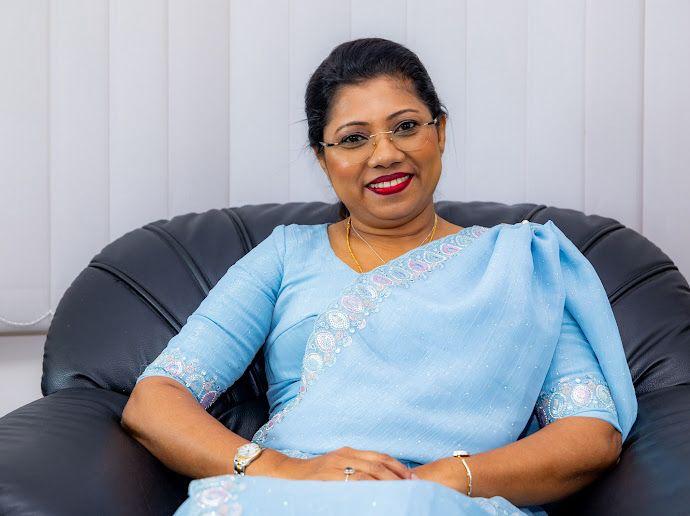
“Leadership in a market like the Maldives is built on trust, consistency, and long-term commitment,” she says. “It is not only about achieving financial results, but also about building strong relationships, understanding local dynamics, and being present for clients over time.”
She adds: “True leadership is demonstrated through reliability, integrity, and the ability to create value beyond transactions.”
That idea may also explain why Bank of Ceylon Maldives has remained relevant in a competitive market for so long. When asked what has sustained the bank’s place over 45 years, Herath returns to the same themes: trust, consistency and adaptability.
“Our longevity and relevance are built on trust, consistency, and our ability to adapt to change,” she says. “Our commitment to stability, reliability, and long-term partnership has been key to earning and sustaining trust in the market.”
Investing in people, and in the future
Herath is also clear that the bank’s next chapter will depend on talent.
“We place strong emphasis on developing our people through training, exposure, and continuous learning opportunities,” she says. “We invest in building both technical expertise and leadership capabilities, while also providing opportunities for local talent to grow within the organisation.”
For the next generation of banking professionals, she identifies “adaptability, digital awareness, customer focus, and strong ethical values” as the qualities that will matter most in an industry that is continuing to change.
Sustainability as a financial priority
In a country such as the Maldives, sustainability is no longer peripheral to business strategy. It is increasingly central to development, tourism and finance alike.
Herath acknowledges that reality directly. “Sustainability is becoming increasingly important, particularly in a country like the Maldives that is highly vulnerable to climate change,” she says.
She notes that the bank is supporting projects linked to environmental responsibility, including sustainable tourism developments and energy-efficient initiatives, and sees “a clear and growing demand for financing that aligns with environmental and social outcomes”.
The strength behind the next chapter
When asked to identify the bank’s defining strength today, Herath points to the combination of local understanding and wider capability.
“Our defining strength is our deep-rooted presence combined with strong regional and international capabilities,” she says. “This allows us to understand the local market while offering globally aligned financial solutions.”
Her vision is clear. “Our vision is to be a leading financial partner in the Maldives’ next phase of growth,” she says. “We aim to expand our support to the tourism sector, strengthen digital banking, enhance cross-border connectivity, and contribute to sustainable economic development.”
Ultimately, she says, the ambition is larger than the bank itself. “We aspire to play a meaningful role in shaping a resilient, globally connected, and sustainable Maldivian economy.”
After 45 years in the Maldives, that may be the clearest way to understand Bank of Ceylon’s place in the market. Its legacy is not only in how long it has been here, but in how it has evolved with the country — from trade and transaction support to a broader role in tourism, investment, connectivity and long-term economic development.
For Herath, the anniversary is both a celebration of that history and a statement of intent for what comes next.