




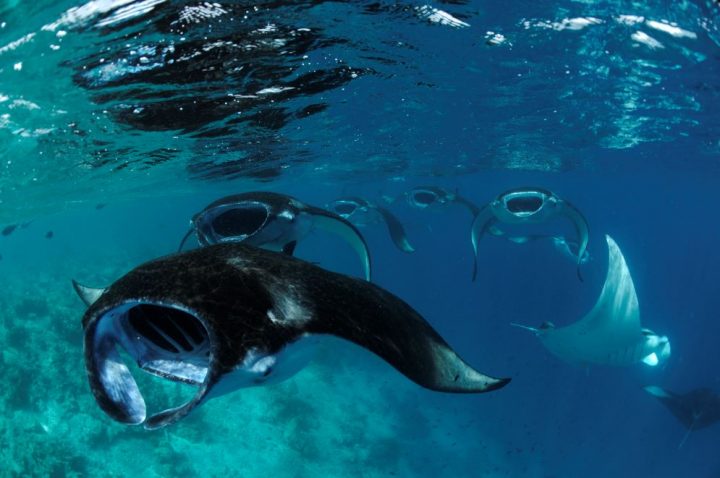
Gliding effortlessly through the turquoise waters of the Maldives, rays are among the most graceful and captivating marine animals you’re likely to encounter during your stay. With their broad, wing-like fins and calm, fluid movements, rays embody the serene spirit of the Indian Ocean. From majestic manta rays to elusive stingrays, these gentle giants play an essential role in the marine ecosystem—and in the imagination of all who see them.
A Rich Ray Family
The Maldives is home to several species of rays, the most iconic of which is the manta ray—one of the largest and most charismatic ray species in the world. The archipelago also hosts eagle rays, mobula rays, and various species of stingrays that inhabit lagoons, reefs, and sandy seabeds.
-
Manta Rays (Mobula alfredi): These gentle filter feeders can grow up to five meters wide and are often seen gliding through the ocean with their mouths open, feeding on plankton. Unlike stingrays, manta rays have no stingers and pose no threat to humans.
-
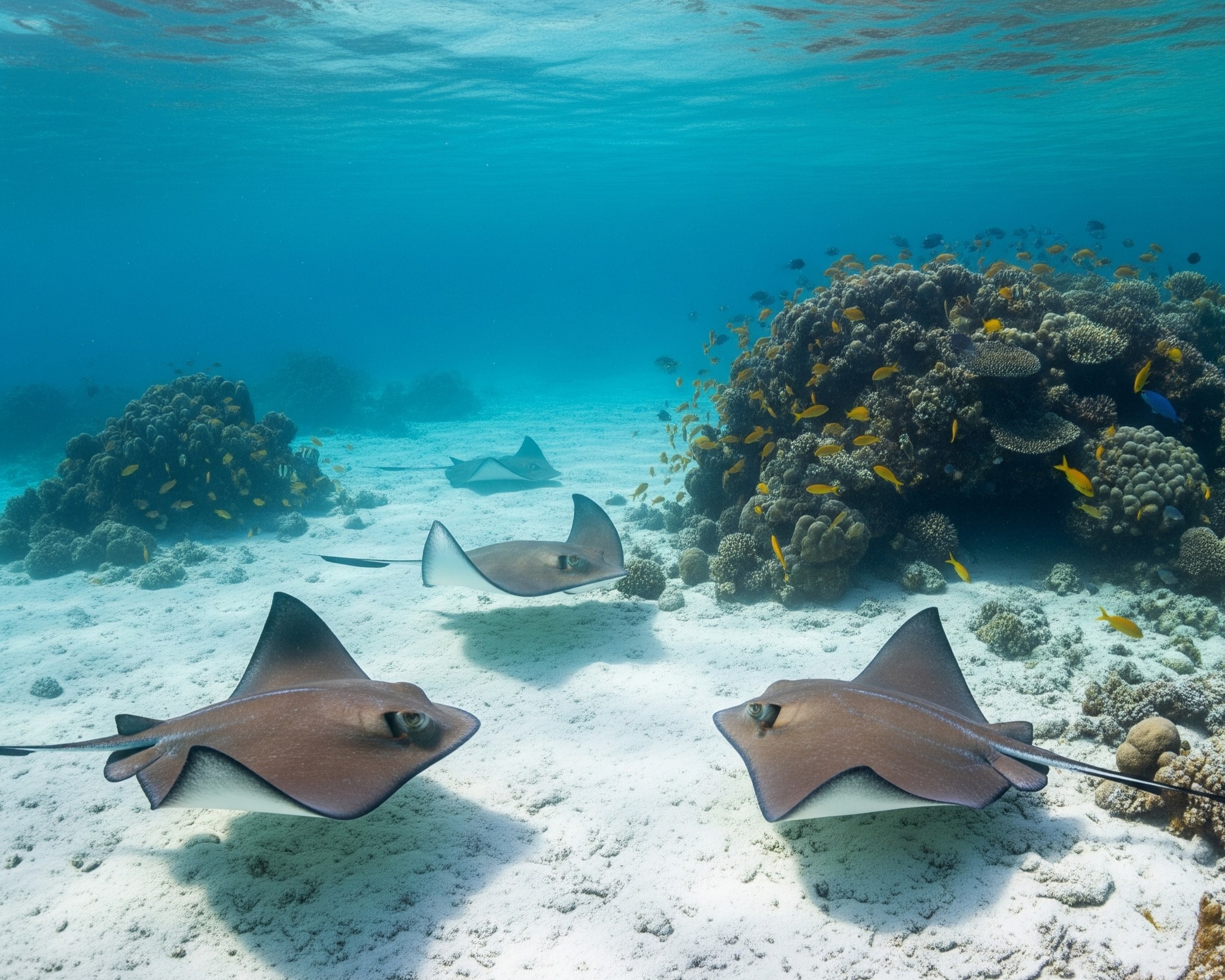
Stingrays: Commonly found in shallow lagoons, these bottom-dwellers are generally peaceful but should be given space to avoid provoking a defensive response.
-
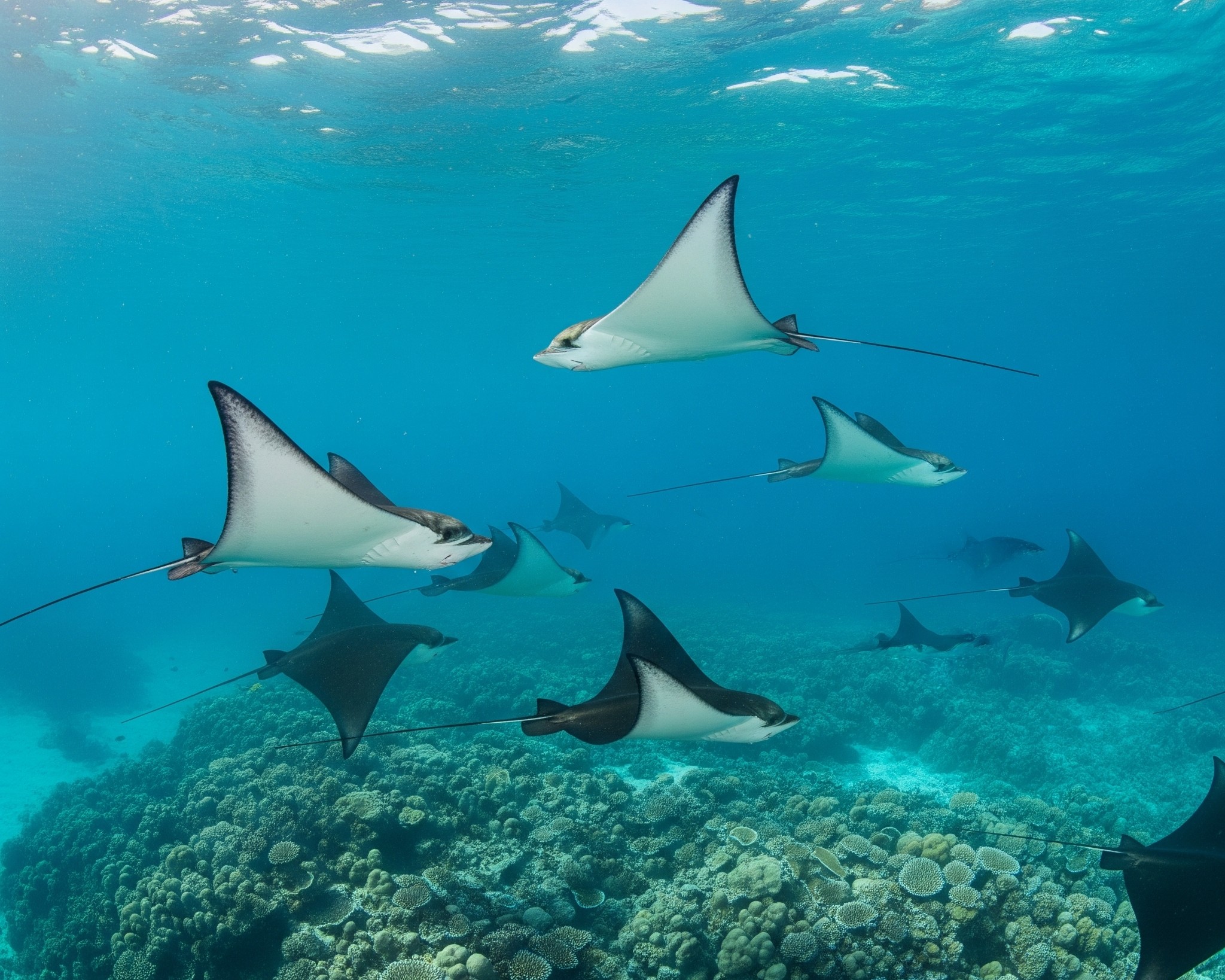
Eagle Rays: With their distinctive spotted backs and long tails, eagle rays are an elegant sight, often seen gracefully soaring through open water or occasionally leaping into the air.
Why Rays Matter
Rays are key players in maintaining ocean health. Manta rays help control plankton levels and contribute to nutrient cycling, while stingrays stir up the seabed when feeding, keeping the marine environment dynamic and diverse. Their presence is also a major draw for marine tourism, supporting local livelihoods through diving and snorkeling excursions.
Where to See Them
The Maldives offers exceptional year-round opportunities to observe rays in the wild. Different atolls offer peak viewing times depending on the season and monsoon patterns:
-
Baa Atoll – Hanifaru Bay:
A UNESCO Biosphere Reserve and world-renowned hotspot for manta ray gatherings. During the southwest monsoon (May to November), plankton-rich currents attract dozens—sometimes hundreds—of manta rays in spectacular feeding frenzies. -
North Malé Atoll – Lankan Manta Point & Rasfari North:
Lankan Manta Point, a popular cleaning station, is best visited between May and November. Here, divers and snorkelers can watch mantas hover above coral outcrops while cleaner wrasse groom them. Rasfari North, a shallow reef, offers great snorkelling opportunities from December to April. -
South Ari Atoll:
While better known for whale sharks, this region also attracts manta rays, especially during the northeast monsoon (October to May). Divers often report close encounters with mantas at well-known dive sites. -
Addu Atoll:
Located in the far south, Addu is considered a manta ray paradise, with reliable sightings year-round. It’s one of the few places where reef mantas can be seen even during the low season, making it a must-visit for serious underwater enthusiasts.
Swim with Care
Seeing a manta or stingray in its natural habitat is an unforgettable experience—but it’s important to observe responsibly. Always maintain a respectful distance and avoid chasing or touching rays. For snorkelers, staying calm and still increases the chances of a natural and rewarding encounter. With stingrays, give them ample space to move freely and avoid blocking their path.
By respecting these magnificent animals, we help ensure their safety—and our own—while supporting marine conservation.
Rays Worth Protecting
Manta rays are protected under Maldivian law, and several marine conservation organisations are working to monitor populations and raise awareness. One of the most prominent, the Manta Trust, began its work in the Maldives and continues to play a key role in research and education.
With pressures like climate change and overfishing threatening marine ecosystems, the protection of rays is essential for maintaining the balance and beauty of the ocean.
A Moment to Remember
As you island-hop aboard Manta Air, take a moment to imagine the gentle flight of a ray beneath the waves—silent, majestic, and timeless. To witness a manta feeding, a stingray gliding over coral sand, or an eagle ray darting into the blue is to glimpse the living magic of the Maldivian sea.
Whether you’re diving, snorkeling, or simply enjoying the view from above, the rays of the Maldives are a reminder of how precious and interconnected our natural world truly is.