




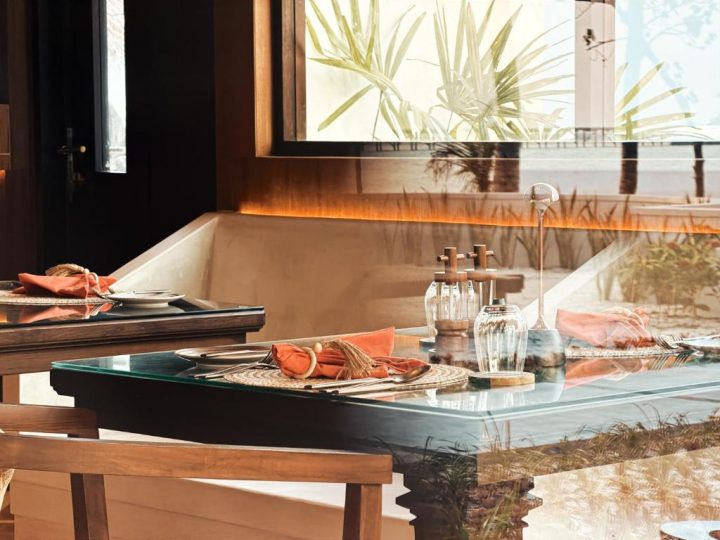
The quiet power of detail: Why small equipment decisions shape luxury resort experiences
In luxury hospitality, the guest experience is often judged not only by what is most visible, but by what is most felt.
A stunning arrival jetty, generous villa space and a well-designed pool all matter. They help create the first impression. But what often defines a truly memorable stay are the smaller interactions that happen quietly throughout the guest journey: the strength of a hairdryer, the reliability of a room safe, the ease of a door lock, the feel of cutlery in hand, or the way a kettle opens and pours.
These are not incidental details. In a high-end resort environment, they are part of the product itself.
Luxury today is not simply about design or scale. It is about confidence, comfort and consistency. It is the sense that every element in the room has been selected with care, and that everything works as it should, every time. When that standard is met, guests may not always mention it directly. But when it is not, they notice immediately.
Guests notice more than ever
Today’s luxury traveller is experienced, well-informed and widely travelled. Many have stayed in some of the world’s most established hospitality brands and arrive with a strong understanding of what premium service should feel like.
That is why even a beautifully designed villa can lose some of its impact if the in-room details fall short. A weak hairdryer before dinner, an awkwardly placed safe, a door lock that feels flimsy, or an outdated control panel can interrupt the sense of ease that luxury resorts aim to create.
These moments may appear minor from an operational perspective, but from the guest’s point of view they influence the overall impression of the stay. Luxury is an emotional experience. It depends on how smoothly the stay unfolds and how confidently the guest can move through it.
Trust is built through functionality
In the Maldives, where many resorts offer privacy, seclusion and premium rates as part of their positioning, trust plays an especially important role.
Guests expect to feel secure in their surroundings. Locks, safes, door handles, access systems and room controls are therefore not simply technical installations. They form part of the reassurance that a property provides.
A well-designed and dependable locking system tells a guest that their privacy is protected. A safe that works easily and reliably gives peace of mind to travellers carrying valuables, passports, electronics or important documents. When these systems function seamlessly, they support the sense of calm that luxury hospitality promises. When they fail, they create doubt very quickly.
In this sense, security hardware is not just operational equipment. It is part of the emotional comfort the resort is selling.
The items guests use most often matter most
Some of the most underestimated items in hospitality are also the ones guests use every day.
Take the hairdryer, for example. It is easy to treat as a routine bathroom amenity, yet for many guests it is a meaningful part of their stay. In luxury resorts, guests may be getting ready for dinners, celebrations, weddings, honeymoons or professional photography. A poorly performing hairdryer is not a small inconvenience in that context; it becomes part of how the guest remembers the room.
The same principle applies across many in-room items: irons, coffee machines, kettles, mirrors, charging points, bedside controls, lighting systems, shower mixers and entertainment interfaces. Guests may never praise these features individually, but they quickly register when they feel dated, underpowered or cheaply made.
That quiet disappointment can affect the perceived value of the entire villa experience.
Procurement is part of brand delivery
In many properties, procurement decisions are understandably driven by budgets, lead times and replacement cycles. But in luxury hospitality, procurement is also a brand decision.
Every item placed in a guest room communicates something about the standards of the property. A resort may invest heavily in architecture and interior design, yet that investment can be undermined if the fittings, accessories and guest-use equipment do not reflect the same level of quality.
This is where consistency becomes critical. Guests do not separate the villa design from the safe, the kettle, the switches or the minibar equipment. They experience them as one complete product. If one part feels premium and another feels average, the inconsistency becomes visible.
True luxury is not created by one exceptional feature. It is created when every detail supports the same standard.
Cheap decisions are rarely cheap in the long term
There is also a practical side to this conversation. Lower-cost equipment often appears attractive at the point of purchase, but the long-term operational impact can be far more expensive.
Poor-quality locks fail more often. In-room safes generate avoidable complaints. Kettles and small appliances need replacing more frequently. Inferior electronic systems increase maintenance visits and create more interruptions for guests.
In a luxury resort setting, every maintenance call to a villa has a cost beyond labour. It affects privacy, disrupts the guest experience and places pressure on operational teams. The true cost is therefore not only the replacement value of the item, but the inconvenience attached to its failure.
Higher-quality equipment generally delivers stronger lifecycle value through durability, warranty support, spare-part access, energy performance and lower complaint frequency. For premium resorts, this is not simply a maintenance issue; it is part of service strategy.
Social media has made detail more visible
The importance of these decisions has grown even further in the age of digital storytelling.
Guests now photograph and share every part of their stay. Bathroom counters, coffee stations, vanity areas, lighting features, table settings and in-room technology all appear in online reviews, short videos and social content. What was once a private guest experience is now part of public brand perception.
A resort can spend significantly on marketing, but a poor in-room detail can still become the point that guests remember and share. In luxury hospitality, every object inside the villa now carries reputational value.
Luxury is built quietly
There is sometimes a tendency in hospitality development to associate luxury with scale: larger villas, more restaurants, bigger pools, more dramatic design statements. These all have their place. But they are only part of the picture.
The more enduring form of luxury is built quietly, through hundreds of small decisions made well.
Guests remember how naturally the room worked. They remember whether the controls were intuitive, whether the cutlery felt balanced, whether the door opened smoothly, whether the coffee setup felt considered, whether the safe worked without frustration, and whether every feature in the villa reflected the same level of care.
At its core, luxury hospitality is about removing friction. It is about creating an environment where the guest does not have to think twice about anything.
A final thought
In high-end resorts, equipment and utensils should never be viewed as minor procurement items. They are silent representatives of the brand.
Each hairdryer, lock, safe, spoon, kettle, switch and handle contributes to the guest’s overall impression of the property. On their own, these details may seem small. Together, they define how complete, thoughtful and trustworthy the resort feels.
That is the real power of detail in luxury hospitality. Guests may not always speak about it directly, but they carry the feeling with them long after they leave.
And in a market as competitive as the Maldives, that feeling matters.