



Why trust is hospitality’s only true differentiator
In hospitality, scale is often mistaken for success. I understand the pull of numbers—rooms, keys, openings, revenue per available room. I have built businesses by respecting those metrics. But I have also learned that they are not what makes a brand endure.
What truly sustains a hospitality brand is far less visible and far more powerful: trust. Not the loud, campaign-driven kind—but the quiet confidence a guest feels when a long journey ends, the door opens, and everything is exactly as it should be.
Hospitality Is a Human Commitment Trust is not a function of size or speed. It is a function of consistency—built quietly, day after day, in hundreds of small choices. It is the alignment between what we promise and what we deliver, especially when no one is watching.
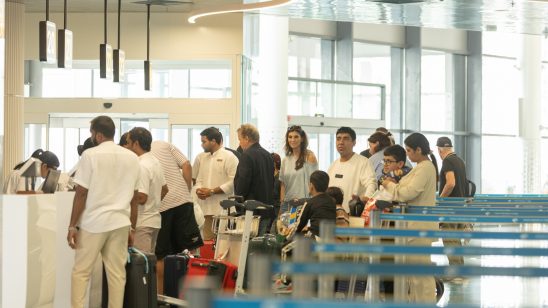
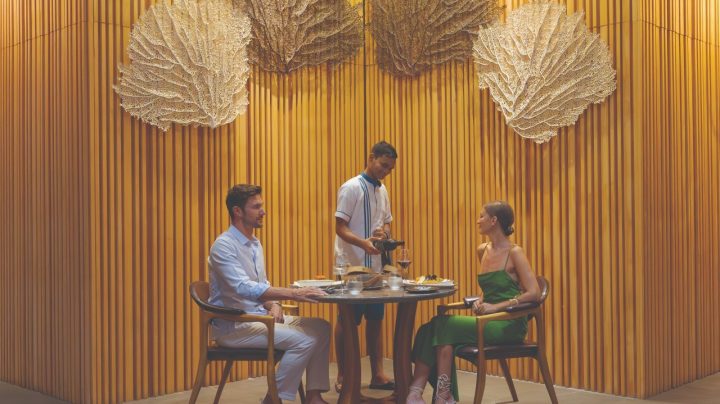
Hospitality, at its core, is an emotional exchange. Guests do not simply seek accommodation; they seek assurance. A warm welcome after a delayed flight. A room that feels considered, not standard. A team that anticipates rather than reacts. People return when they feel looked after—not once, but reliably.
Today, information is instant and judgments are quicker than ever. A single stay can travel farther than any brochure. In that environment, trust becomes the most valuable differentiator—and it cannot be manufactured through marketing alone. It must be experienced, repeatedly.
This principle extends beyond guests. Partnerships last when there is transparency and a shared standard of execution. Teams thrive when trust creates ownership—where people feel safe to take decisions, solve problems, and still protect the brand.
And for investors, trust shows up as clarity: disciplined capital allocation, consistent governance, and the creative courage to build experiences that guests remember.
Trust as the Ultimate Differentiator As brands expand across markets, complexity grows. Standards must hold, but local character must still breathe. Systems help, of course—but consistency is ultimately human. It comes from leaders and teams who treat trust as non-negotiable, and who make decisions with authenticity and reliability at the centre.
In a competitive landscape where many offerings start to look the same, trust is what separates a brand from a booking engine. It turns a transaction into a relationship. It turns a first stay into a second—and then into a habit.
Growth built on trust lasts. Many things in hospitality can be replicated—design cues, amenities, even concepts. Trust cannot.
For me, that is the real scorecard—not only what we build, but how deeply we are trusted by guests, partners, and our own people. If you lead in hospitality, I would be curious: what have you found is the fastest way to lose trust—and the hardest way to earn it back?