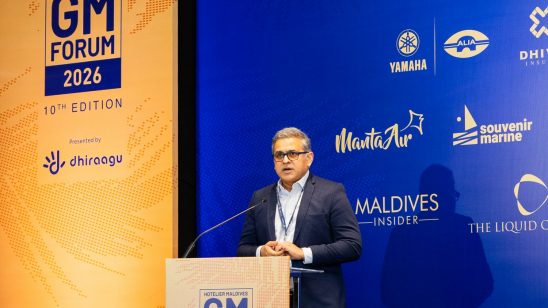





Who bears the cost? SHC Law & Tax, resort leaders examine forex and TGST pressures at GM Forum 2026
“Where are we as a business now standing?”
The question from an audience member during SHC Law & Tax’s session at the Hotelier Maldives General Managers (GM) Forum 2026 captured the concern running through the discussion. For resort leaders, changes to foreign exchange and tax rules reach directly into the business of paying suppliers, negotiating with overseas partners and preparing for the season ahead.
That practical reality shaped the presentation by Dhaanish Mohamed Ameen, Attorney-at-Law; Junaina Ahmed, Attorney-at-Law; and Tholhath Rasheed, Senior Tax Consultant at SHC Law & Tax. Titled “FX Conversion, MMA Approvals and Foreign Tour Operator TGST: Practical Compliance for Hospitality Sector,” the session by SHC Law & Tax examined three connected regulatory developments and the decisions they placed before resort management teams.
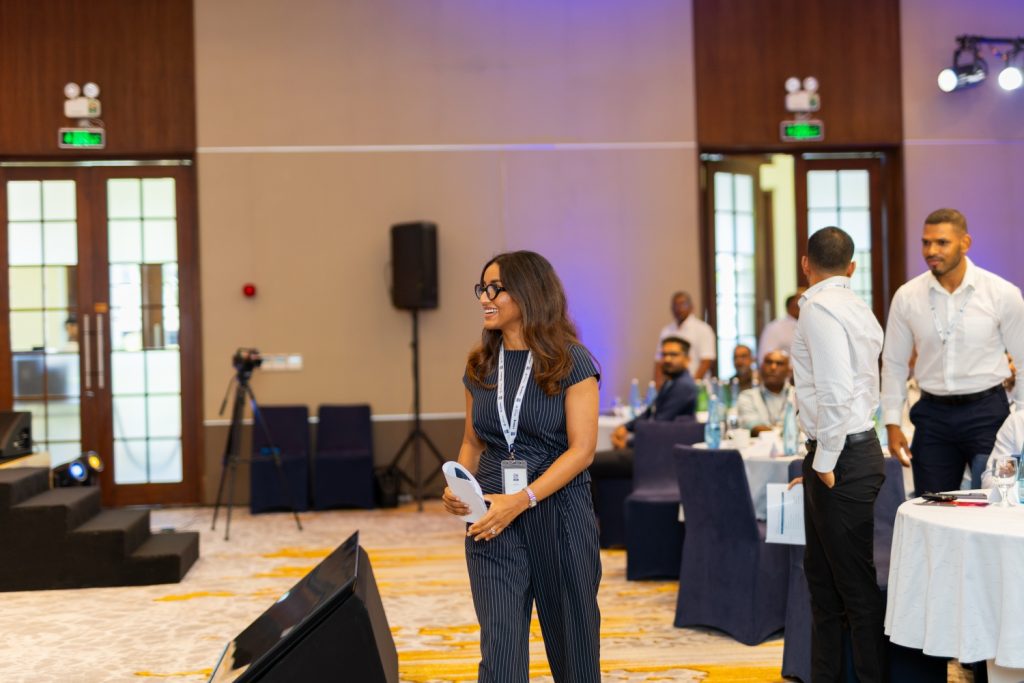
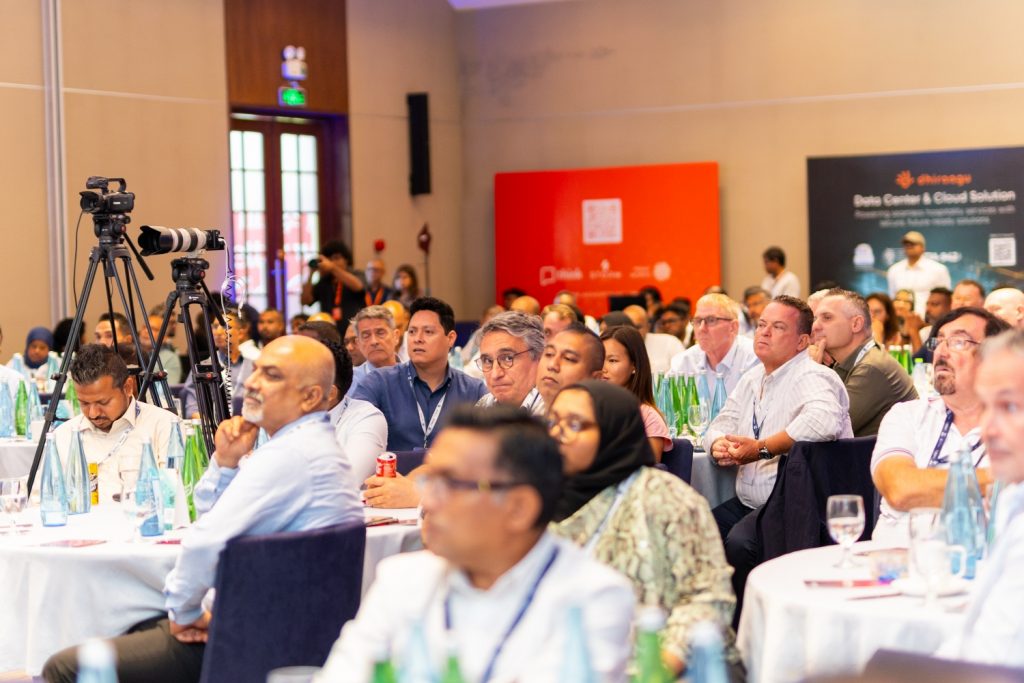
The speakers drew on conversations with clients across the hospitality sector, approaching each issue through the rules, their stated policy objectives and the steps businesses could take. Audience interventions brought another perspective: the difficulty of making commercial decisions while important questions remained unresolved.
The first pressure point was the requirement for resorts to convert 40 per cent of their gross foreign-currency sales receipts into Maldivian rufiyaa through a licensed bank.
“It is not a tax,” Dhaanish emphasised.
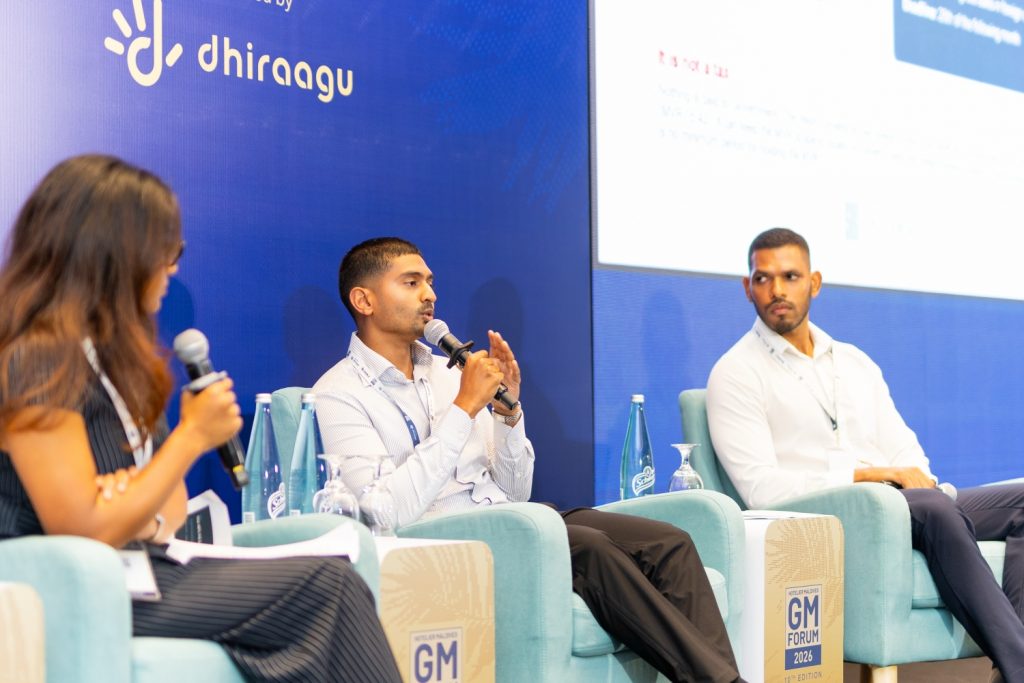
He explained that the policy sought to increase the availability of US dollars within the domestic banking system. The legislation did not require businesses to retain converted rufiyaa for a fixed period, he said. In principle, a resort could seek to purchase dollars again.
For operators, however, the central difficulty was whether those dollars would be available when needed. Taxes, government lease rent, fuel and supplier bills created substantial foreign-currency obligations. Converting revenue could therefore leave a resort holding more rufiyaa while struggling to obtain the dollars required to meet its commitments.
The distinction mattered because compliance with the conversion requirement did not, by itself, resolve the underlying cash-flow problem.
Junaina’s starting point was a detailed account of the business in both currencies. Resorts needed to examine their income and expenditure over the previous 12 to 24 months, working with finance and procurement teams to understand where dollars were earned and spent, and where rufiyaa could be used.
That exercise would provide the basis for an application to the Maldives Monetary Authority (MMA) for a reduced conversion requirement where a resort could demonstrate difficulty meeting its foreign-currency obligations. Dhaanish highlighted the importance of audited financial statements and supporting expenditure information. Any reduction would depend on the MMA’s assessment.

Junaina also cautioned that decisions about changing the currency of salaries or supplier payments required an examination of contracts and internal policies. Having rufiyaa available was only one part of that decision.
The discussion became particularly pointed when it turned to Tourism Goods and Services Tax (TGST) on overseas tour operators and travel agents. The framework discussed at the forum extended the 17 per cent tourism tax to inbound tourism products and related booking or agency services supplied by businesses without a fixed place of business in the Maldives.
Tholhath explained the policy as an attempt to capture the value of a Maldivian holiday that previously remained outside the local tax system through overseas margins, commissions and booking fees. He outlined a requirement for affected overseas businesses to register and account for TGST on their relevant margins or fees, placing local and foreign operators on a comparable tax footing.
For resorts, he stressed, the additional liability imposed on overseas partners belonged to those partners. Resorts would continue their own reporting and payment obligations. Yet the commercial consequences could still reach the resort’s balance sheet.
If an overseas operator could not pass the additional cost to the guest, it might seek a lower rate from the property to protect its margin. Alternatively, the cost could be absorbed at different points in the distribution chain, or affect the ability to sell the holiday.
“Somebody in the value chain might end up bearing that 17% TGST,” Tholhath said.
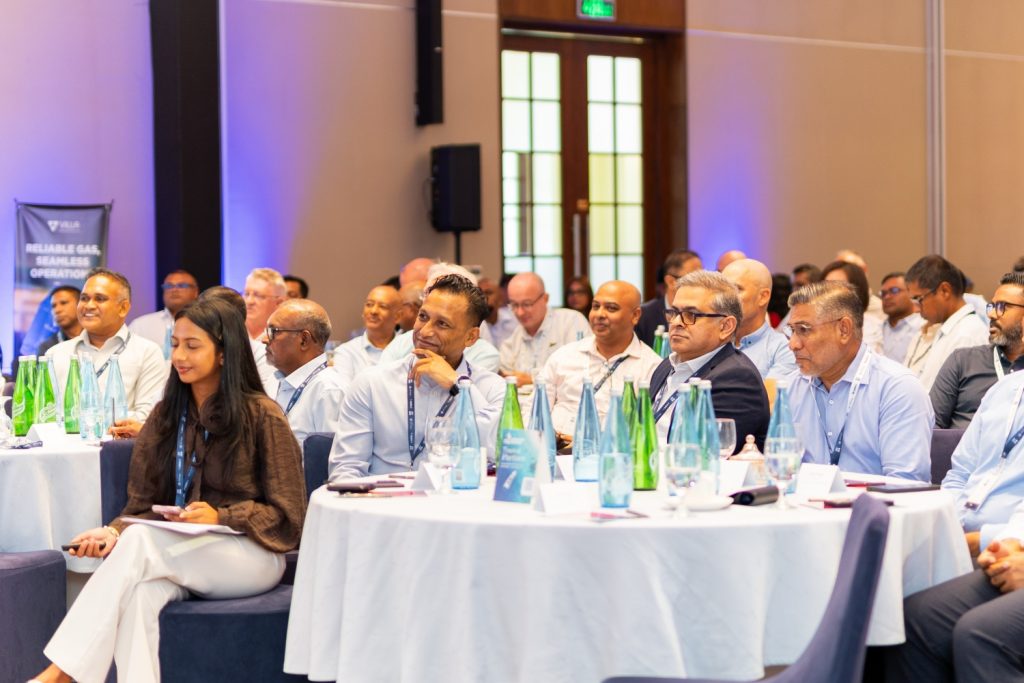
This was the concern behind audience questions about what resorts should tell their overseas partners. Participants challenged the implementation timetable and raised concerns about disruption to high-season business. They also questioned the application of Maldivian legislation to foreign businesses and the disclosure of commercially sensitive information about travel partners.
Tholhath responded to the jurisdictional question by distinguishing GST from income tax. He explained the destination principle as the basis for taxing consumption where it takes place, even when part of the transaction is handled overseas.

The advisers repeatedly clarified their role in the discussion: they were explaining the rules and their practical implications, while questions about government policy decisions needed to be addressed to policymakers.
The session also acknowledged uncertainty over possible amendments and a revised implementation timetable. The speakers discussed the prospect of a delay to April 2027 without presenting it as a settled outcome.
“I don’t think we should be preparing ourselves on the understanding that the rules are going to disappear tomorrow,” Tholhath said.
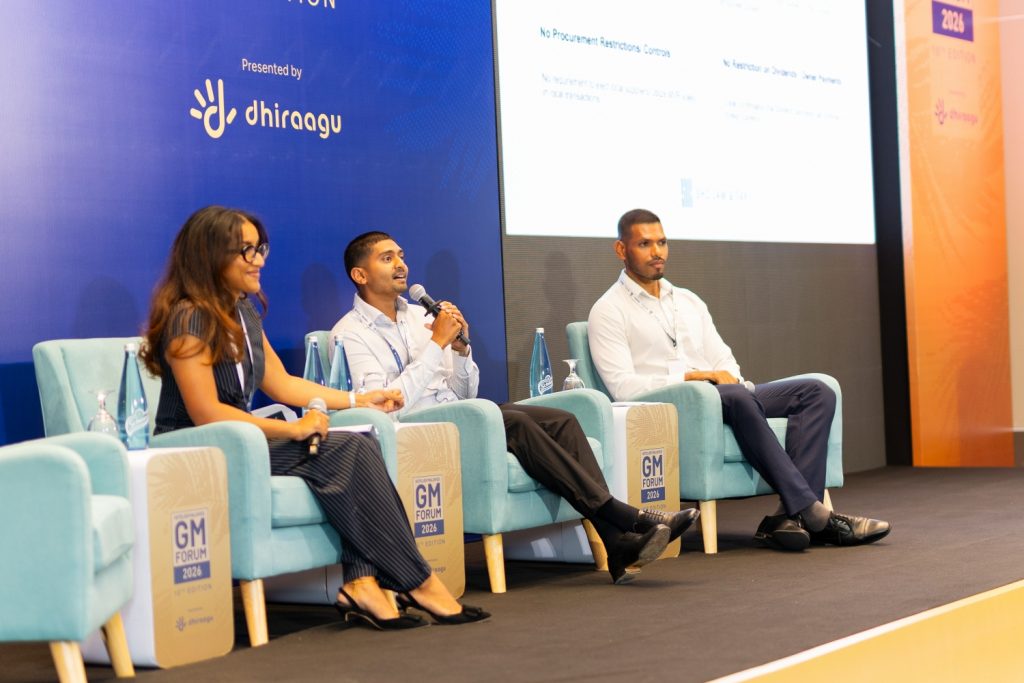
His advice began with identifying the overseas partners affected, then reviewing the prices, margins and contractual arrangements governing those relationships. Resorts also needed to be ready for requests from the Maldives Inland Revenue Authority for information about their partners.
The next conversation, he suggested, required care. Smaller overseas operators might struggle with the additional obligations, while their bookings could remain important to an individual property. Resorts would need to assess the cost of reaching an accommodation with a partner against the potential loss of that business.
That placed an emphasis on open dialogue and clearly documented commercial agreements. The question of who was legally responsible for a tax did not settle who would ultimately bear its economic cost.
Alongside the debate over conversion and TGST, Junaina drew attention to a requirement she felt risked receiving too little attention: MMA approval for certain foreign-currency payments for goods and services procured within the Maldives.

As she described it, the process involved an annual forecast of relevant expenditure submitted for approval, rather than a separate application for every transaction. Resorts would also report actual expenditure during the year and could seek adjustments where necessary.
She said limited detailed guidance left practical questions about preparing submissions. Nevertheless, the income and expenditure analysis required for the conversion rules could also support the forecasts needed for the approval process.
The connection between the three issues was operational. Currency conversion affected the funds available to run a resort; overseas TGST could influence negotiated rates and distribution relationships; and expenditure approvals brought another requirement into procurement and budgeting.

By the close of the session, Junaina was encouraging resorts to prepare a coordinated plan for 2027 and to continue discussing concerns shared across the industry. For general managers, that meant bringing finance, procurement and commercial teams into the same conversation, with a clear account of the business and its obligations.
The audience’s question remained a useful guide to the task ahead. Understanding where a resort stood meant knowing its currency position, the strength of its partner relationships and the evidence it could put before regulators.
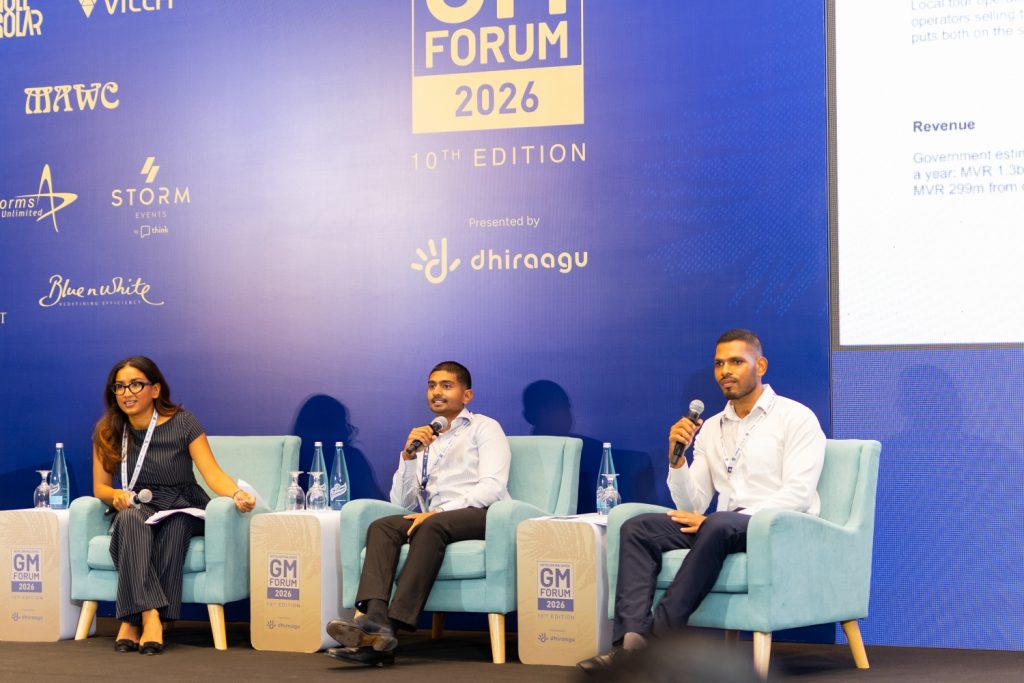
Established in 2016, the Hotelier Maldives GM Forum provides an annual platform for hospitality leaders and businesses serving the tourism sector to exchange perspectives on operational and strategic issues. The 2026 gathering marked the forum’s 10th edition.
A range of companies supporting different areas of the tourism industry partnered with GM Forum 2026.
Dhiraagu was the Premier Sponsor, while STO Energy was the Platinum Sponsor. Bank of Maldives (BML) was the Banking Partner, Dhivehi Insurance was the Insurance Partner, and Male’ Aerated Water Company (MAWC) was the Beverage Partner.
The Silver Sponsors were Maldives Airports Company Limited (MACL), Villa Hakatha, Bestbuy Maldives (BBM) and Atoll Solar.
ALIA, Uniforms Unlimited, Maldives Insider and Blue N White supported the forum as Associate Sponsors.
Souvenir Marine was the Transport Partner, Manta Air was the Aviation Partner, and Storm Events was the Organising Partner.
Through its 2026 programme and partnerships, the GM Forum brought together resort leadership and the businesses supporting hospitality operations to examine how the sector can strengthen resilience while adapting its people, technology and operating models.