




Reducing the plate: Why Stop Food Waste Day matters for Maldivian resorts
As the global hospitality industry marks Stop Food Waste Day this April 29, the conversation carries a particular weight for the Maldives. In a nation where almost every ingredient is imported across vast distances, food is more than just a commodity—it is a high-stakes logistical feat.
For resort operators, food waste isn’t just an environmental concern; it is a direct hit to the bottom line and a challenge to the fragile ecosystems that draw guests to our shores.
The True Cost of a “Full” Buffet
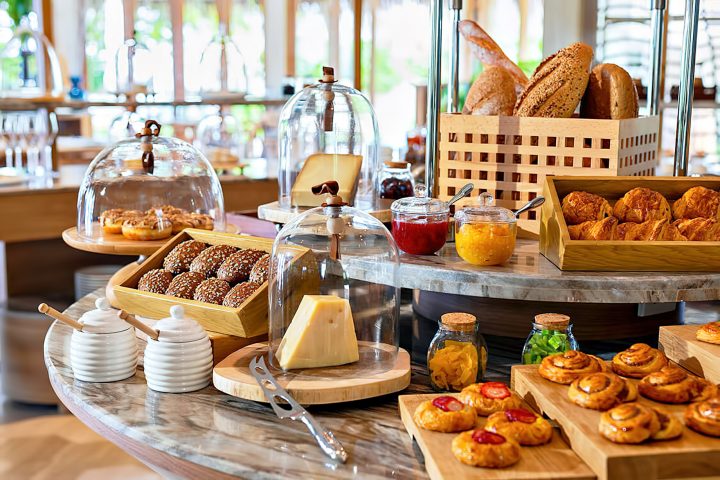
The traditional Maldivian resort experience is synonymous with the lavish buffet. However, the visual of abundance often comes with a hidden price tag. Studies suggest that nearly 25% of all food entering a hotel kitchen ends up as waste. When you factor in the “food miles” and carbon footprint required to transport perishables to remote atolls via sea and air, the environmental cost of a discarded steak or a bruised mango is doubled.
Strategic Solutions for Island Operations
Reducing waste requires a shift from reactive disposal to proactive management. Here are several ways Maldivian properties are leading the charge:
-
Precision Procurement: Utilizing AI-driven tracking tools to monitor guest preferences and occupancy fluctuations. By narrowing the gap between “ordered” and “consumed,” resorts can significantly lower their overheads.
-
The “Small Plate” Psychology: Moving away from oversized dinner plates in buffet settings encourages guests to take only what they can finish, reducing plate waste without compromising the luxury experience.
-
Root-to-Stem Menus: Creative culinary teams are increasingly incorporating “ugly” produce and overlooked offcuts—such as watermelon rind pickles or broccoli stalk slaw—into high-end dining, proving that sustainability and gourmet flair are not mutually exclusive.
Closing the Loop
In an island environment, waste disposal is inherently difficult. Stop Food Waste Day highlights the importance of circular systems. Many resorts have already seen success with:
-
On-site Composting: Turning kitchen scraps into nutrient-rich soil for organic herb and vegetable gardens.
-
Bio-Digesters: Converting food waste into biogas, which can then be used as a renewable energy source for staff kitchens.
For the Maldivian tourism sector, efficiency is synonymous with resilience. Stop Food Waste Day serves as a reminder that every kilogram of food saved is a win for both the resort’s profitability and the natural beauty of the archipelago.
As we look toward the 2026 season, the goal is simple: Buy better, cook smarter, and waste nothing.