



Tourism leaders call for wider consultation as industry faces growing pressures
When a typhoon cut off a resort he was managing in Thailand, Mark Eletr could not give his guests all the answers. Telecommunications were unreliable and the corporate office was struggling to establish what was happening. On the island, his response was to explain what the team knew, acknowledge what it did not and promise updates every two hours.
“Don’t worry about the bill, we’ll sort it out later,” he recalled telling guests.
The story, shared at the Hotelier Maldives General Managers (GM) Forum 2026, illustrated a form of resilience that depended on trust as much as preparation. By reducing anxiety and keeping people informed, Eletr said, the team encouraged guests and employees to work together through the disruption.
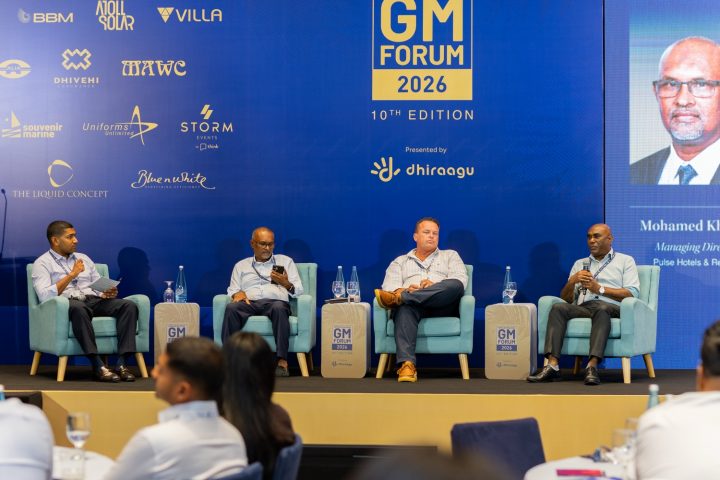
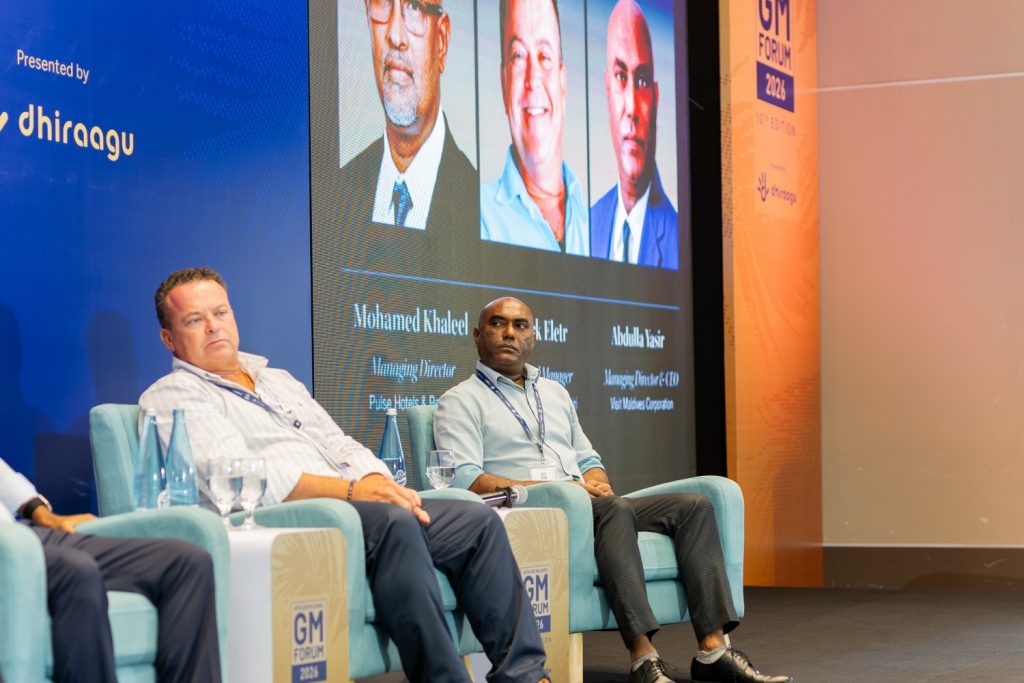
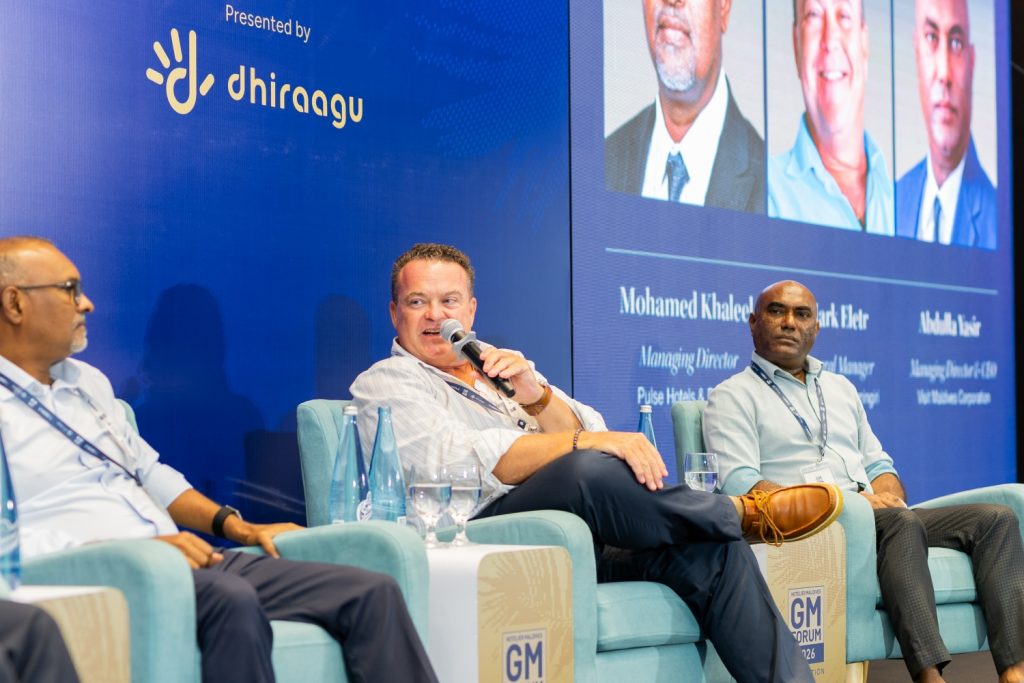
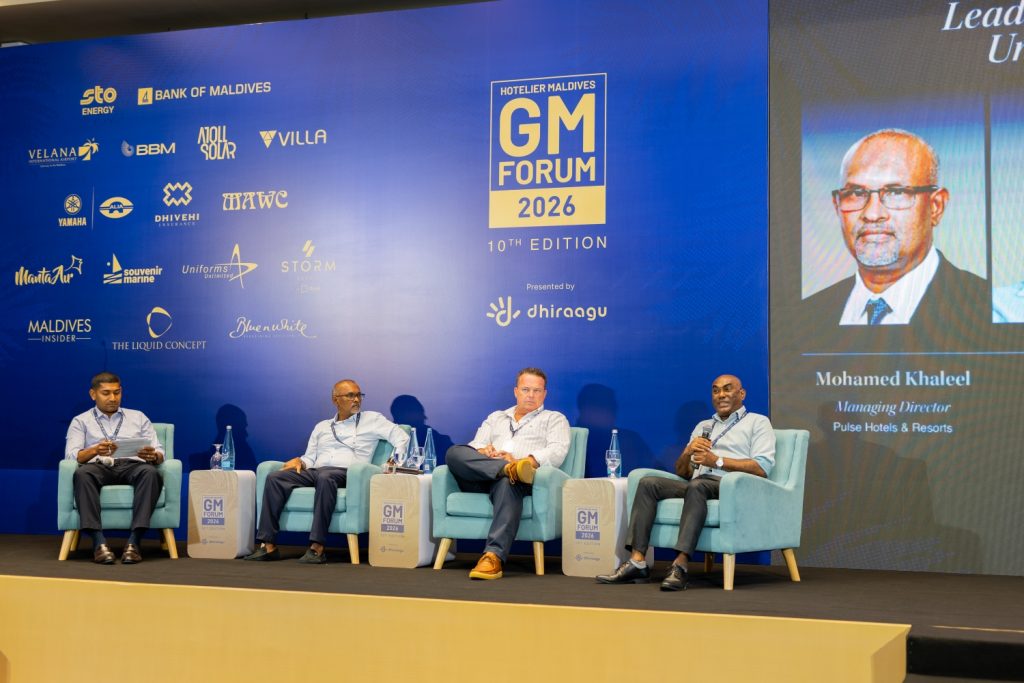
That relationship between practical decisions and human confidence ran through “Leading Through Uncertainty: Building Resilient Resort Organisations”. Moderated by Ismail Maiz Mohamed of Hotelier Maldives, the panel brought together Mohamed Khaleel, Managing Director of Pulse Hotels & Resorts; Eletr, General Manager of Hilton Maldives Amingiri Resort & Spa; and Abdulla Yasir, Managing Director and CEO of Visit Maldives.
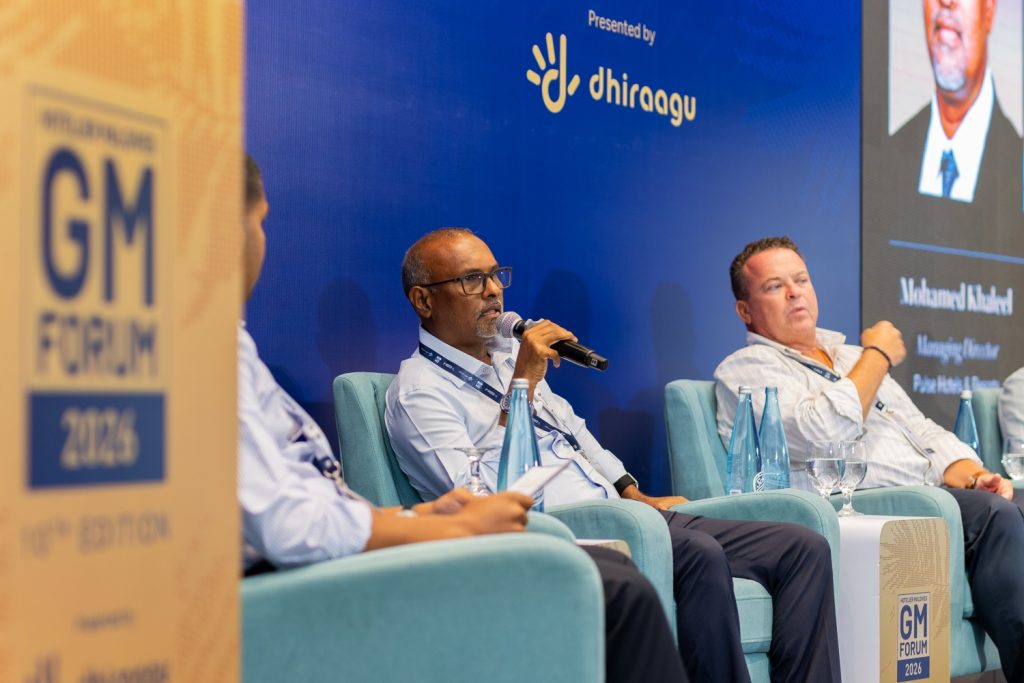
Their perspectives covered the individual resort, the hotel group and the destination. Across those levels, they examined how businesses could recognise pressure early, respond without losing the confidence of their teams and guests, and preserve their ability to recover.
For Eletr, the first hours of disruption depended heavily on work already done. Resorts needed to understand their available fuel, water, power and provisions, alongside the limitations imposed by weather or interrupted transport.
Guest communication required the same clarity. People facing missed flights or delayed arrivals needed an honest account of the situation and a plan suited to their circumstances.
“It’s not an opportunity to profiteer. It’s the time to be generous. It’s the time to be flexible,” he said.
His approach extended to the authority given to employees. A flat management structure allowed people to act within clear limits, with decisions delegated from department heads to frontline colleagues. Employees needed to know what they could resolve themselves and feel safe asking for help or exercising judgement.
That freedom came with responsibility. Eletr stressed the importance of leaders maintaining their composure: visible panic could quickly undermine the confidence that teams needed to respond effectively.
Khaleel saw a similar risk in organisations where decisions moved too slowly. During difficult trading conditions, repeated requests for more research or more data could delay action until an opportunity had passed.
“I myself can’t be the ultimate decision maker for everything,” he said.
For a hotel group, delegation had to work alongside a clear division of responsibility. Khaleel described corporate leadership setting the broad strategy, with general managers contributing to budgets and targets and taking responsibility for execution and financial performance at property level.
Cash flow was fundamental to that task. He described it as the operation’s “oxygen”, drawing attention to the difference between recording a profit and having the funds needed to keep the business running.
Yet his emphasis on cost control came with a firm qualification. Savings that weakened service, product quality or the brand could undermine the long-term value of an investment. He favoured finding efficiencies that protected the guest experience, while retaining and developing the talent needed for future growth.
Eletr also warned against allowing caution to outlast the conditions that had made it necessary. Recovery rarely arrived as a clear turning point, he said. Leaders had to recognise improving conditions and judge when to reinvest, reactivate commercial strategies and release capital.
Waiting for completely conclusive data could allow competitors to recover faster and capture demand. His argument was for informed judgement, supported by an environment in which commercial teams could offer a considered view even when the evidence remained incomplete.
At destination level, Yasir placed the emphasis on seeing those signals early.
“From a destination perspective, resilience starts with visibility,” he said.
Visit Maldives monitored demand in source markets, air connectivity and traveller sentiment, he explained. Smaller changes in booking patterns or demand during normally dependable periods could matter as much as more dramatic events. Information also needed to move in both directions, with resorts sharing what they were seeing in their own markets.
The importance of verified information became explicit in a hypothetical scenario put to the panel. International travel was disrupted for 72 hours, deliveries were delayed, guests could not leave and employees faced additional shifts. Meanwhile, social media suggested that every Maldivian resort was equally affected, although that claim had not been verified.
“You can’t set strategy without truth,” Eletr said.
His priorities were to establish the facts, assess the resources available and bring guests, employees, suppliers and other stakeholders into a coordinated response.
Yasir highlighted a further responsibility: identifying the properties that were unaffected. A destination-wide impression of disruption could damage businesses still operating normally. Public communication therefore needed to distinguish between affected and unaffected operations and state openly when information was still being gathered.
Credibility, he argued, depended on explaining the situation accurately, without either exaggerating its scale or understating the difficulties.
Yasir’s examples also showed how uncertainty could influence demand long before a crisis occurred. He recalled meeting a cashier at Heathrow Airport who had cancelled a Maldives booking after being offered bed and breakfast. The prospective visitor was concerned about travelling to an island without understanding where lunch and dinner would be available.
In another conversation, Yasir heard that some customers interpreted full board as being served the same meals throughout their stay. Both examples exposed a gap between what resort professionals considered obvious and what prospective guests understood.
Clearer descriptions of dining options could address such concerns. More broadly, the stories suggested that improving demand could begin with listening carefully to the questions preventing a customer from booking.
Yasir linked destination resilience to a wider range of markets and reasons to visit. He pointed to opportunities involving Australia and China, Indian weddings and Middle Eastern interest in fishing, particularly during softer trading periods.
The relevance would differ between properties. Reaching those customers required suitable products, clear communication and the transport connections to support demand. Drawing on feedback from overseas, he also encouraged resorts to consider offers such as additional nights or inclusions that added value while protecting the Maldives’ premium positioning.
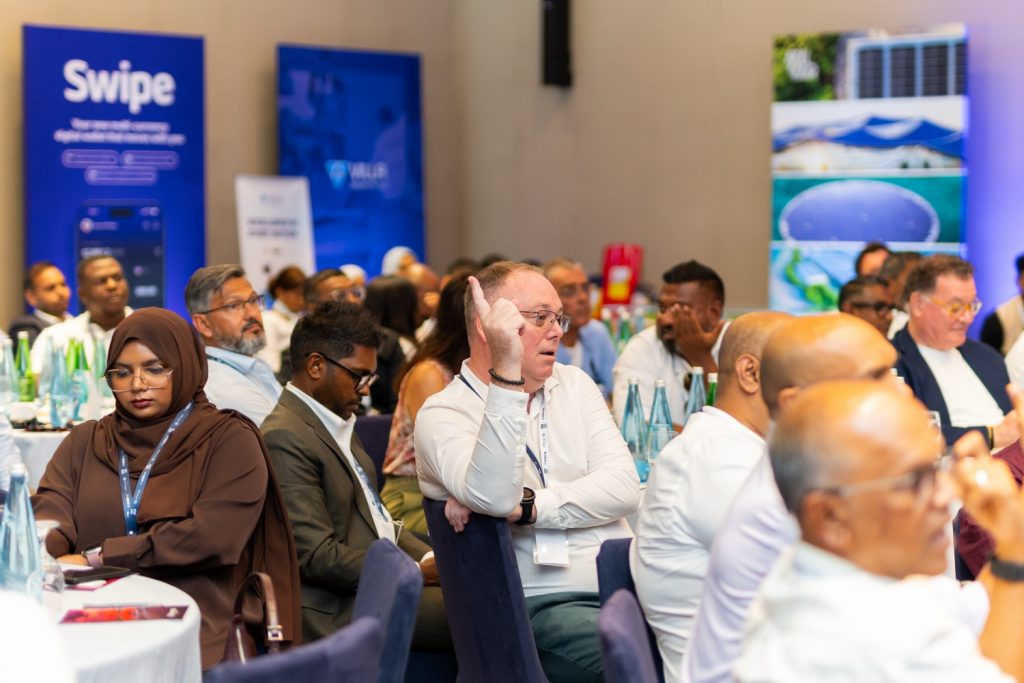
As questions opened to the floor, the discussion moved from the decisions resorts controlled to the pressures they faced collectively. Audience members raised concerns about regulatory changes introduced with limited lead time, the effect of external conflicts and the strength of the industry’s representation.
Khaleel called on the Maldives Association of Tourism Industry (MATI) and the Maldives Association of Travel Agents and Tour Operators (MATATO) to bring stakeholders together, establish the issues through evidence and pursue constructive discussions with government.
He argued that private engagement should be accompanied by open forums where operators could explain the practical consequences of policy decisions. Members also had a responsibility to hold their associations accountable and press for action.
Eletr focused on the commercial sustainability of the destination. He warned that rising costs and changing operating conditions could challenge the assumptions behind resort investments planned years earlier. He called for policymakers to listen to operators and respond through meaningful action.
Khaleel acknowledged the difficult circumstances facing the country and said the industry needed to be prepared to make sacrifices. However, he argued that the extent of those sacrifices had to be negotiated without undermining businesses’ ability to operate.
“But the sacrifices cannot be to the point where it breaks,” he said.
Khaleel called for a balance between the interests of government, the private sector and the wider public, with room for all sides to listen and compromise.
Khaleel’s closing perspective was that difficult periods could also become a reason to improve. Recalling the industry’s experience of the tsunami, the pandemic and earlier economic shocks, he urged leaders to consider how the current pressures could strengthen their organisations.
“Let’s take this as an opportunity instead of a threat,” he said.
Established in 2016, the Hotelier Maldives GM Forum provides an annual platform for hospitality leaders and businesses serving the tourism sector to exchange perspectives on operational and strategic issues. The 2026 gathering marked the forum’s 10th edition.
A range of companies supporting different areas of the tourism industry partnered with GM Forum 2026.
Dhiraagu was the Premier Sponsor, while STO Energy was the Platinum Sponsor. Bank of Maldives (BML) was the Banking Partner, Dhivehi Insurance was the Insurance Partner, and Male’ Aerated Water Company (MAWC) was the Beverage Partner.
The Silver Sponsors were Maldives Airports Company Limited (MACL), Villa Hakatha, Bestbuy Maldives (BBM) and Atoll Solar.
ALIA, Uniforms Unlimited, The Liquid Concept, Maldives Insider and Blue N White supported the forum as Associate Sponsors.
Souvenir Marine was the Transport Partner, Manta Air was the Aviation Partner, and Storm Events was the Organising Partner.
Through its 2026 programme and partnerships, the GM Forum brought together resort leadership and the businesses supporting hospitality operations to examine how the sector can strengthen resilience while adapting its people, technology and operating models.