

Seventy-five journeys back: Why Coco Palm Dhuni Kolhu became home for Mr and Mrs Dissaux
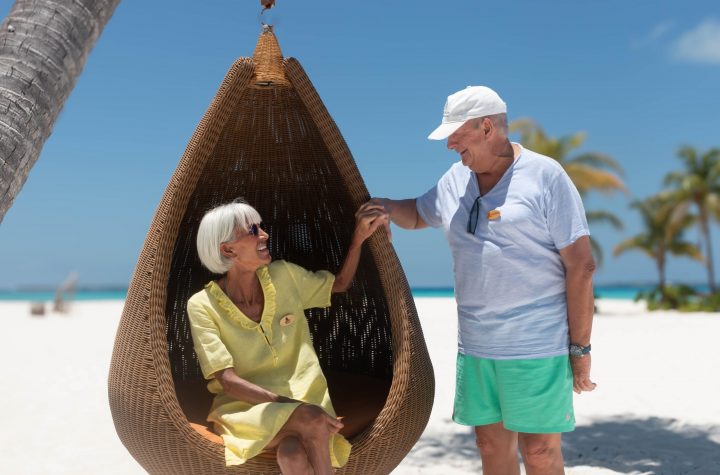
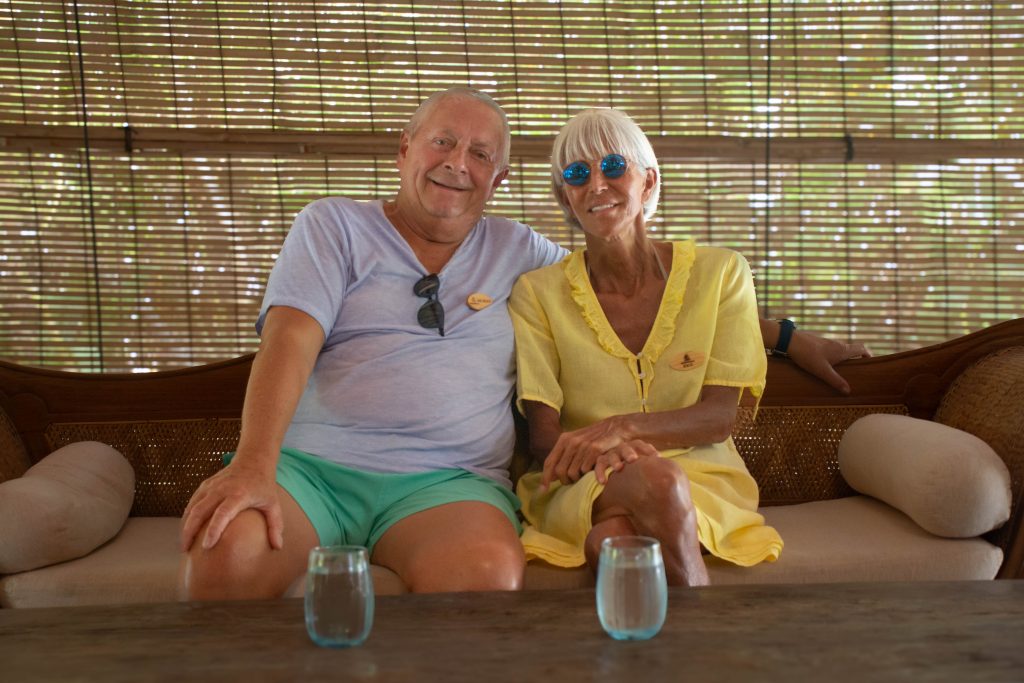
For many visitors, the Maldives is the destination of a lifetime. For Mr Serge Roland René Dissaux and his wife, Jocelyne Christiane Jeanne ép. Dissaux, it has become something else entirely: a place woven into the rhythm of their lives, a country to which they have returned again and again over more than three decades, and a destination that now feels less like an escape and more like home.
This year, the French couple marked two milestones that few travellers could claim. Their latest stay was their 75th visit to the Maldives and their 19th visit to Coco Palm Dhuni Kolhu, facilitated with the continued support of Trans Maldivian Airways (TMA) to ensure a smooth journey to the resort. Those numbers alone tell an unusual story, but the meaning behind them runs deeper than repetition. Their bond with the Maldives, and especially with Coco Palm Dhuni Kolhu, is built on memory, friendship, ritual and a sense of belonging that has endured through changing times.
Their story with the Maldives began in 1994, when they first arrived for a ten-day holiday with friends. What followed was not a one-off trip, but the beginning of a lifelong attachment. They returned in 1995, then again in 1996, and never really stopped.
Looking back on that first journey, Serge remembers not only the setting, but the people they met.
“At the time, we were looking for somewhere special, and we found something unique in the Maldives,” he said. “What stayed with us most was the people. We met Maldivians, Sri Lankans and Indonesians, and they were all very warm, very simple and very genuine people.”
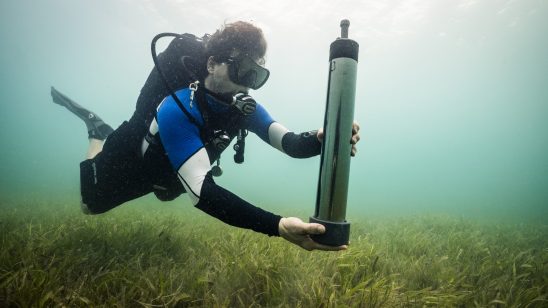
Like many long-time visitors, the couple’s early years in the Maldives were shaped by diving. Serge recalls the joy of discovering the country underwater and the easy routine that grew around it.
“Our first impression was that it was a wonderful place. The weather was beautiful, the sea was very pleasant, and for diving it was excellent,” he said. “We began diving in the Maldives in 1994, and it was a very good way to spend the day, diving in the morning and afternoon, then spending time with friends, having a drink and talking late into the night.”
Over the years, travel habits changed, as they do for many people. The long evenings are quieter now, and the pace is slower. Yet the sense of connection has remained intact. Asked what keeps bringing them back after 75 visits, Serge’s answer was simple: “Diving is one of the main reasons, but it is also the people, the atmosphere and the feeling we have here. There is something very special in the Maldives that we have not found anywhere else.”
That sense of emotional continuity is central to how the couple speak about the country. For Serge, arriving in the Maldives still carries the same feeling after all these years. “Every time we arrive, it feels like coming home,” he said. “I always say it is my second home. I feel good as soon as I arrive in the Maldives.”
Their relationship with the Maldives has not been built only through leisure. Some of their strongest memories are tied to more difficult moments. The couple were in the Maldives during the 2004 tsunami, staying at Reethi Beach in the south. Serge remembers the emotions of that period clearly and the words spoken by local people in the aftermath.
“They were struck by nature, and many of them told tourists, ‘Please come back next time.’ They were afraid people would not return,” he said. The following year, the couple came back and tried to help in a small way. “We spent time with local people, planting herbs and trees, and helping to restore what we could.”
Another memory that stayed with him came from time spent with a Maldivian family in the south, where he and a French friend shared daily life in their home for several days. It was an experience that deepened his understanding of the country beyond the resort setting and reinforced what he values most about the Maldives: its people and the human ties formed across visits and years.
That theme of continuity eventually led them to Coco Palm Dhuni Kolhu.
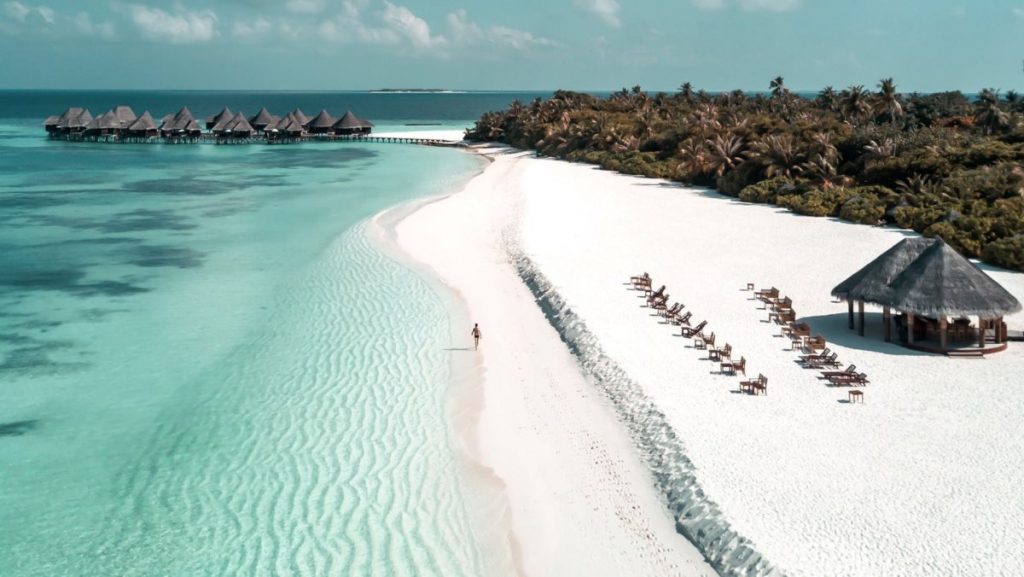
The couple first visited the resort after the Covid-19 pandemic disrupted one of their regular stays in the Maldives. In March 2020, they had been staying on another island in South Malé Atoll when the crisis escalated. Jocelyne recalled that they took the last flight back to France and had wanted to stay, but were told they had to return. When they were ready to come back to the Maldives, they needed to choose a new island.
Their decision was shaped in part by a familiar face. Serge said they came to Coco Palm Dhuni Kolhu because they knew Group General Manager Siraj Ali Waheed from his previous role at another resort.
“We already had a very good memory of him and felt close to him, so that was one of the main reasons we came here,” he said.
What began as a return to the Maldives after Covid quickly developed into a deeper attachment to Coco Palm Dhuni Kolhu itself. Nineteen visits later, the resort has become the place they identify with most strongly in the country.
For Jocelyne, the reason is simple. “It is the people and the atmosphere,” she said. “Everyone looks after us with so much care and attention. They are so kind. Everything they can do for us, they do. Often we do not even have to ask.” She added that the team now know them well, understand their routines, and anticipate what they like. “That is why it feels like home.”
Serge points to another layer of familiarity: many of the people they knew from Reethi Beach are now at Coco Palm Dhuni Kolhu as well. That continuity of relationships has given the couple not just a favourite resort, but a community that has travelled with them through different chapters of their lives.
Asked to describe the spirit of the resort, Serge spoke of something difficult to define but easy to feel.
“I think there is a philosophy at Coco Palm. You either agree with it or you do not. If you agree with it, you stay. If not, you do not stay long,” he said. “The atmosphere has a very particular spirit.”
That spirit, in their telling, is shaped by people as much as place. The couple speak warmly about the staff, not in the language of service, but in the language of friendship. Some of those relationships stretch back nearly two decades. Serge said they can talk with team members about everything from diving to daily life, from religion to politics. “That human connection matters a lot to us,” he said.
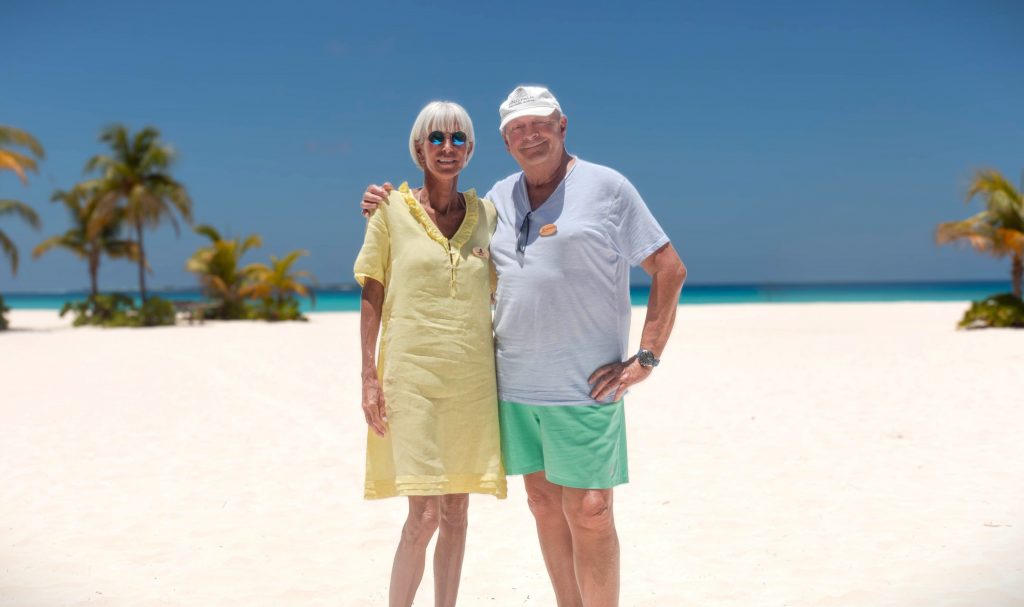
Their attachment to the resort is also expressed through the rituals that repeat with every stay. Jocelyne says they always ask for the same villa. “It is like our second home, so we do not want to change,” she said. Serge mentioned the familiar details that greet them each time: the same bottle of liqueur, the same wine, the same routines. “When we are in France, we are always talking about Coco Palm, about the Maldives, about the people we know here,” he said.
Their ideal day at Coco Palm Dhuni Kolhu is not filled with novelty. It is defined by rhythm. They wake early, head out for scuba diving, return around midday for an aperitif, then spend the afternoon reading and resting. In the evening, they gather at Conch Bar or the Beach Bar to meet friends before dinner. They also make time to walk around the island, taking in both the beach and the vegetation that gives the island its character.
“A perfect day here is very simple, and almost every day is a good day,” Serge said.
There is something instructive in the way the couple describe what they value now. They are not looking for noise, spectacle or constant activity. “Today, we want peace and quiet,” Serge said. “We do not like noisy resorts with loud music anymore.” What matters to them is calm, familiarity, good weather, and the chance to see again the people they know.
That perspective offers a reminder of what repeat visitation often depends on in hospitality. Luxury may open the door, but loyalty is usually built through recognition, consistency and emotional comfort. Serge said that what makes them feel valued is arriving and immediately finding people they already know. “We unpack, settle in, and already everyone knows what we like, what we want and what we expect,” he said. “That is what makes us feel recognised. This place has become our second home.”
Jocelyne expressed the same feeling in more personal terms. “We are recognised. We feel that people like us, and we like them very much too,” she said. “They are not employees to us, they are friends, and we value them greatly.” She credited Siraj and his team for maintaining that atmosphere of care and consistency, and said it is the reason they have not found another place that compares. “The way we are received and welcomed every time we come, and even every time we leave, it is heartbreaking,” she said. “If I could come more often, I would.”
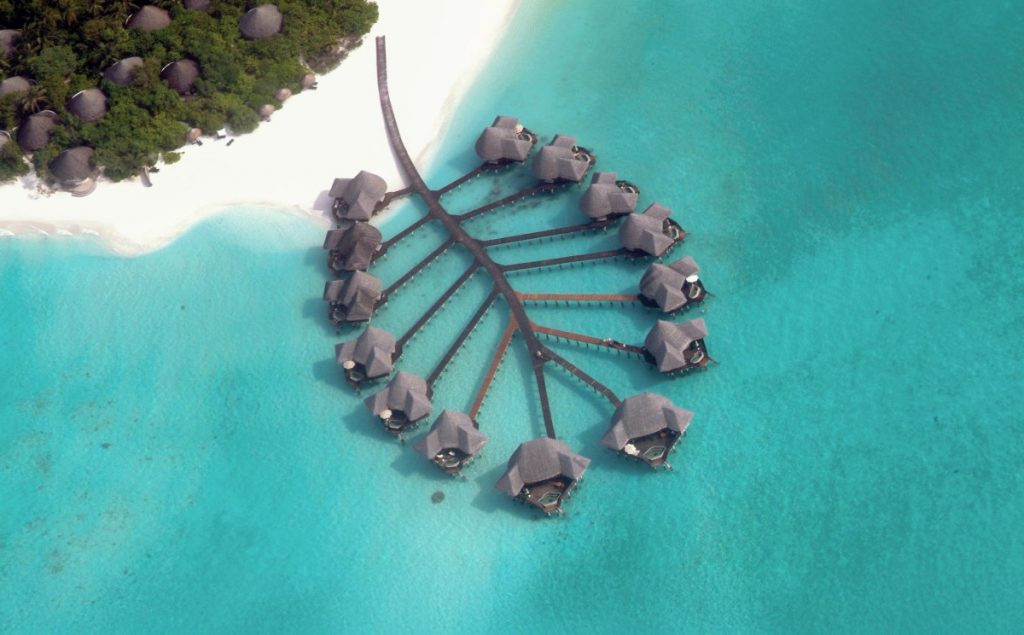
After 75 visits, the Maldives occupies a rare place in the couple’s lives. It is not merely a preferred destination, but part of how they imagine happiness, routine and return. Serge says that as soon as he gets back to France, he is already thinking about his next trip. “I wait for the Maldives,” he said. “I do not think about going to Spain, Italy or Indonesia. It is always the Maldives. If I could not come to the Maldives, I would be unhappy.”
Jocelyne feels the same. “If I could no longer come to the Maldives, I would be very unhappy,” she said. “It is not only a destination. It is a place where we feel at home.”
In an industry that often measures success in arrivals, occupancy and average spend, stories like theirs point to another measure that may matter just as much: the strength of a place in memory. For Serge and Jocelyne Dissaux, the Maldives has become a country of friendships, habits, return journeys and shared history. And within that story, Coco Palm Dhuni Kolhu is not just the resort they visit most often. It is the place where decades of affection for the Maldives have found their clearest expression.
After 75 visits to the country and 19 stays at the same resort, their loyalty is no longer surprising. It is, in many ways, the natural result of what they have been seeking since 1994: not simply beauty, but belonging.