



Dusit’s second generation: New chapter in Maldives with dusitD2 Feydhoo
Thirteen years after the launch of Dusit Thani Maldives, a property that cemented the brand’s presence in the nation’s luxury sector, Dusit International is embarking on a new phase of its journey in the Maldives. The opening of dusitD2 Feydhoo Maldives, located a short distance from the capital, is not merely an addition to the company’s portfolio; it represents a calculated move to capture a different segment of the market. This is a story of brand evolution, community integration, and a forward-looking vision for hospitality in one of the world’s most competitive tourism destinations.
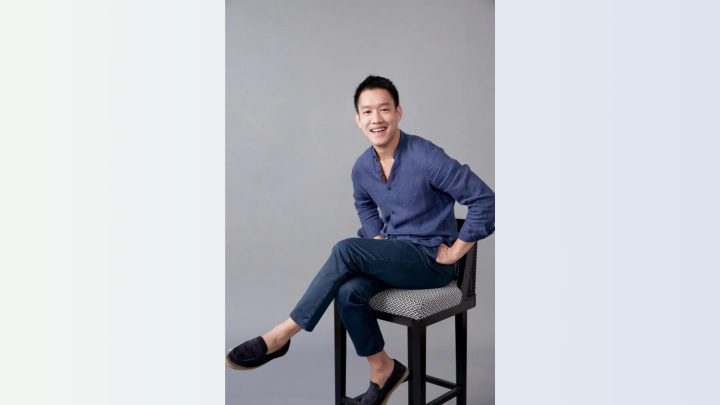
During the resort’s soft opening, Khun Siradej Donavanik, Vice President – Development (Global) at Dusit International, explained the conceptual origins of the new property. It is a story rooted in generational change and a response to the evolving desires of modern travellers.
The “Dusit 2” Philosophy
The name itself provides a direct insight into the brand’s identity. “The ‘D2’ stands for ‘Dusit 2’ — it represents the second generation,” Donavanik stated. This simple yet effective branding distinguishes it from the company’s more established hotels. Where Dusit Thani embodies a certain type of Thai-inspired luxury, dusitD2 is conceived as its progeny: younger, more dynamic, and with a different set of priorities.
“We opened Dusit Thani Maldives 13 years ago — a more traditional, legacy-driven Thai luxury hotel,” he reflected. “dusitD2, by name itself, gives a clue… It’s a younger, more contemporary brand.”
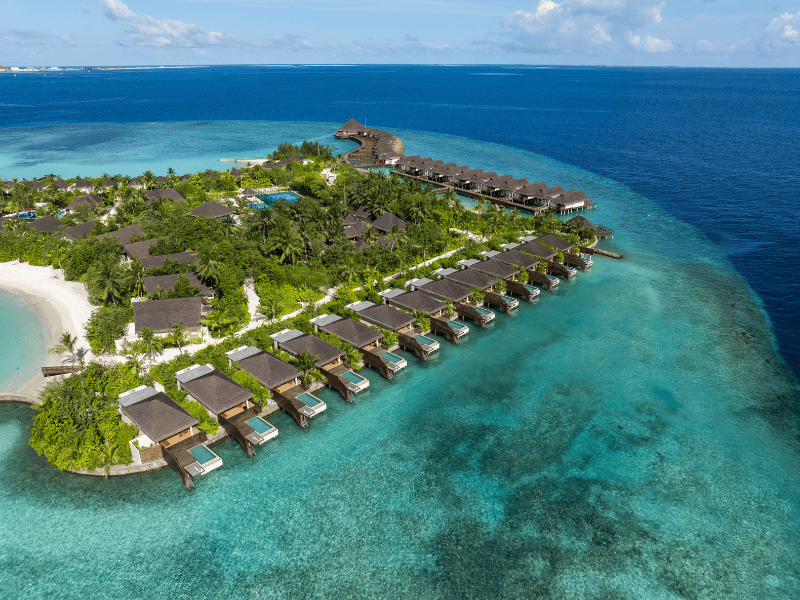
The choice of location near Malé was deliberate. It presented an opportunity to create a resort that was not only for international tourists but also for the local community and residents of the capital region. This focus on accessibility is a core component of the dusitD2 philosophy. “We saw the opportunity to open something vibrant and modern,” Donavanik explained. “We wanted to create a resort that’s not just for international guests, but also accessible and appealing to locals.”
This philosophy is manifested in the resort’s offerings, particularly its food and beverage concepts. The five restaurants at dusitD2 Feydhoo are designed to be destinations in their own right, reflecting what Donavanik calls a “contemporary, progressive, fun, and lifestyle-driven” approach. This contrasts with the fine-dining, formal experiences one might associate with traditional luxury. “While Dusit Thani reflects luxury, dusitD2 is designed for a younger generation seeking a more relaxed, inclusive experience,” he added.
Redefining the Guest Experience
A key point of differentiation for dusitD2 Feydhoo is its operational model. The resort is fully all-inclusive, a decision made to fundamentally alter the guest experience. The aim is to remove financial friction from the holiday, allowing guests to immerse themselves in the environment without the constant consideration of cost.
“We made the resort fully all-inclusive because we want our guests to truly relax,” Donavanik said. “We want them to leave their worries — and even their wallets — behind. Everything is taken care of. They know what they’re paying for upfront, and from that moment on, they can simply enjoy the experiences we offer. That’s the difference we’re creating here.”
This approach targets a mindset that values experiences over transactions. By bundling costs into a single upfront payment, the resort shifts the focus from expenditure to enjoyment. It is a model that aligns with the brand’s target demographic, who often prioritise ease and spontaneity.
A Foundation of Community
Beyond brand strategy and guest experience, Donavanik spoke at length about the role of the local community, framing it as an indispensable part of Dusit’s identity in the Maldives. His connection to the country dates back to the opening of the first property in 2011, an experience that left a lasting impression.
“I first came to the Maldives in 2011 to open Dusit Thani, and I consider this my second home,” he recalled. He shared a story from that period that has since shaped the company’s operational ethos. “I still remember — we were understaffed and had to reach out to the nearby islands, like Eydhafushi, for support. The local people came to help us with open hearts. Without them, we couldn’t have opened our first property.”
This foundational experience fostered a deep-seated commitment to community engagement. For Dusit, operating in the Maldives is not about existing in an isolated bubble. “That experience shaped us,” Donavanik affirmed. “Since then, we’ve invested in community programmes — helping build schools and improving sanitation. Being on a separate island doesn’t mean we stand alone. We believe everything must be connected.”
He argues that this connection is not just a corporate responsibility but a crucial element of authentic hospitality. Modern travellers, he believes, are increasingly aware of the impact of their choices. “Guests want to see that, too — they want to know that we’re here not just as an international brand, but as a positive contributor to the community. Hospitality isn’t real if we don’t care for the people around us.”

Sustainability from the Ground Up
This philosophy of interconnectedness extends to the company’s approach to sustainability. Dusit International’s group-wide programme, “Tree of Life,” is built on a framework of 31 criteria. However, its implementation is not a top-down mandate. Instead, each property is encouraged to adopt initiatives that are most relevant to its specific location and context.
“We ask all our hotels to implement [the criteria] in ways relevant to their location,” Donavanik explained. He provided a concrete example from their operations in Thailand. “Rice is one of our largest exports, so we committed to sourcing only 100% organic rice for both guests and staff — and we’re the first hotel group in Thailand to do so. That’s just one of the 31 actions.”
This decentralised model empowers local teams to address issues they are passionate about. “Each property — whether in the Maldives, the Middle East, or Southeast Asia — is encouraged to assess what’s most relevant in their region and address those issues at a grassroots level,” he said. “This bottom-up approach makes the sustainability efforts more meaningful because the people leading them are truly passionate about solving issues that matter to them and their communities.”
A Vision for Growth
The immediate goals for dusitD2 Feydhoo are clear. “First, we want to meet our commercial targets — and I believe we’re already on track,” Donavanik stated with confidence. “Even for next month, we’re seeing almost 50% occupancy already, which is impressive, especially during a slower season.”
The second objective is to build brand awareness for dusitD2. The opening in the Maldives is a significant step in establishing this “next generation” brand on a global stage. This is not a one-off project but part of a larger strategic investment in the country. “We’ve opened our first hotel here more than a decade ago, and now we’re placing more flags in the country,” he confirmed. “In fact, we have another resort coming up in Laamu Atoll. We’re here to invest and grow alongside the Maldives tourism industry.”
Culinary Identity
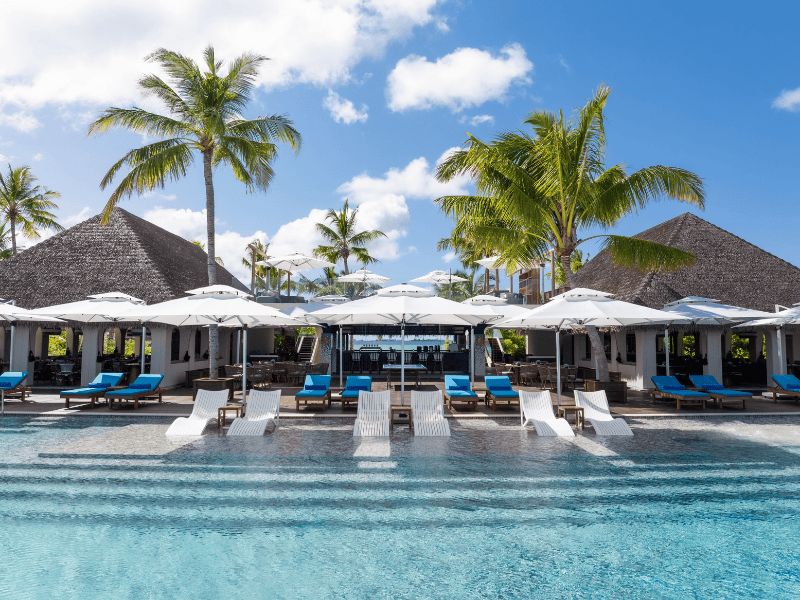
Central to the dusitD2 experience is a diverse and intentional culinary programme. The resort moves away from generic, all-purpose restaurants in favour of distinct, concept-driven dining venues.
Donavanik highlighted Soi restaurant, which offers an interpretation of Thai street food. “Unlike our fine-dining Benjarong restaurant at Dusit Thani, Soi is casual, energetic, and full of bold flavours — just like Bangkok’s vibrant culinary streets,” he described.
Other signature experiences include an overwater restaurant serving Japanese and teppanyaki cuisine, and Méi, a Mediterranean concept located on a peninsula. This unique location allows guests to “catch both sunrise and sunset, surrounded by a stunning lagoon.”
The resort is also looking beyond its permanent fixtures to introduce new culinary ideas. “We’re bringing in Peruvian chefs to host specialty BBQs and experiences,” Donavanik revealed. “Peru has some of the top-ranked restaurants in the world today, and we’re excited to share that culinary culture with our guests.”
An Invitation
Donavanik summarised the essence of the new resort. It is a project built on clear intentions and a distinct identity. “Ultimately, this resort is about experience,” he said. “Whether you’re visiting for a day or a longer stay, I invite everyone — especially those living in Malé — to come and explore what we’ve created. We do everything with purpose and identity, and we’re proud to bring that to dusitD2 Maldives.”
With its contemporary branding, all-inclusive model, and deep roots in community and sustainability, dusitD2 Feydhoo Maldives is more than just a new resort. It is a statement about the future of Dusit International and a compelling new addition to the Maldivian hospitality landscape.