



When the system makes a promise: AI and the human responsibility of hospitality
In Hudha Faheem’s hypothetical scenario, a guest arrives at reception expecting to join an excursion confirmed by the resort’s AI assistant. The activities team has no space. Check-in is busy, the confirmation relied on outdated availability, and staff do not yet know whether other bookings are affected.
For the panellists considering the problem, the immediate priority was the guest standing at the desk. The technical investigation could proceed while the resort took responsibility for the experience it had promised.
“Situation first, the process second,” said Murad Hassan, Chief Commercial Officer at Pulse Hotels & Resorts.
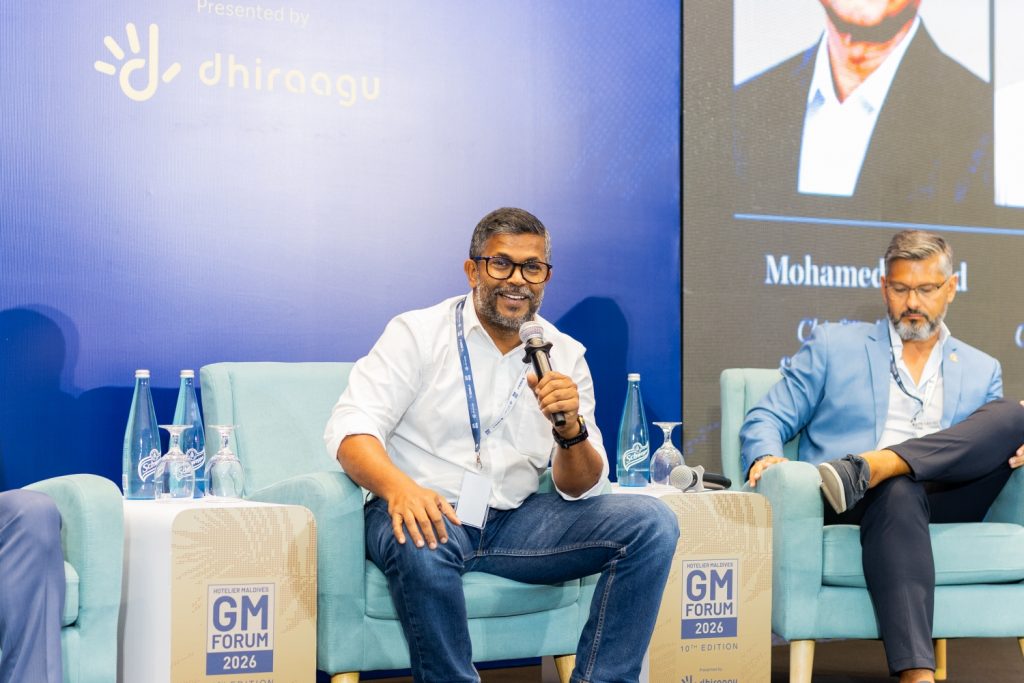
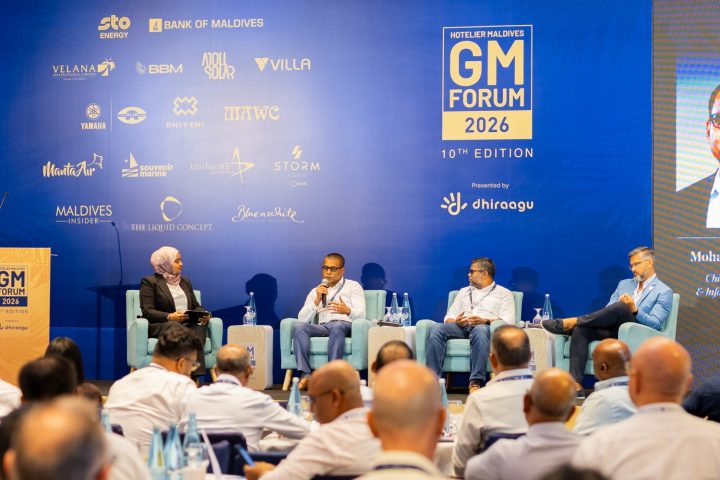
The exercise brought into focus the central issue in the third panel discussion at the 10th edition of the Hotelier Maldives General Managers (GM) Forum 2026. Titled “AI, Data and Automation: Reinventing Resort Operations Without Losing the Human Touch”, the session was moderated by Faheem and featured Hassan alongside Mohamed Musad, Chief Technology and Information Officer at Dhiraagu, and Justin Swart, General Manager of The Standard, Maldives, by Hyatt.
Their discussion placed accountability at the centre of technology adoption. AI could support faster decisions, more efficient work and easier communication, but the resort still needed people who understood the process, could intervene and would own the outcome.
Musad’s starting point was the problem an operator wanted to solve. A supplier’s demonstration might be persuasive, he said, yet the investment needed to begin with an identifiable operational need and a clear result.
“I think we need to start with the defined problem that actually has a defined outcome,” he said.
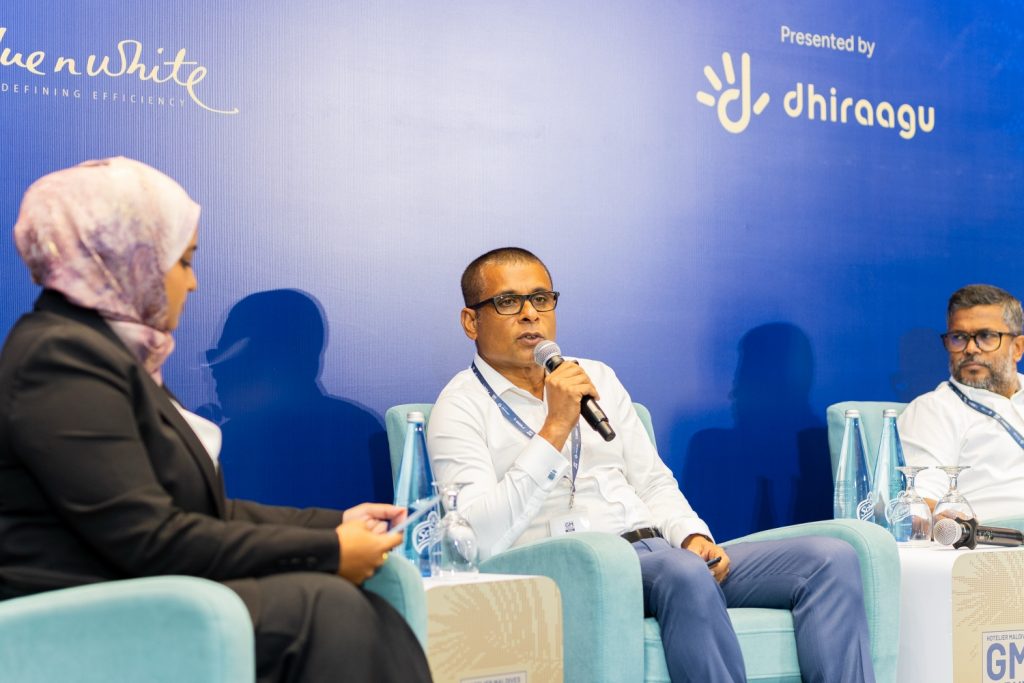
That required understanding the existing workflow: which departments were involved, who was responsible and whether someone could describe the process from beginning to end. He also asked operators to examine whether the necessary data could be accessed, where a proposed system would run and how service would continue if connectivity failed.
Hassan made a related distinction between AI and conventional automation. A request with a fixed answer, such as restaurant opening hours or an activity list, could be handled through predefined rules. Tasks involving language and interpretation might call for AI. Sometimes, as Swart later observed, the underlying process simply needed fixing.
For an initial project, Hassan favoured repetitive, reversible tasks that did not require complex judgement or emotional understanding. Sorting a busy reservations inbox was one example. Responding more promptly could have commercial value, he argued, because delays in answering enquiries can cost bookings.
He repeatedly returned to the need for a person to remain accessible. Automated communication could help guests find information or communicate across languages, while staff needed to take over when the conversation required context, empathy or a decision beyond the system’s remit.
“There should be a named human who can actually step in,” he said.
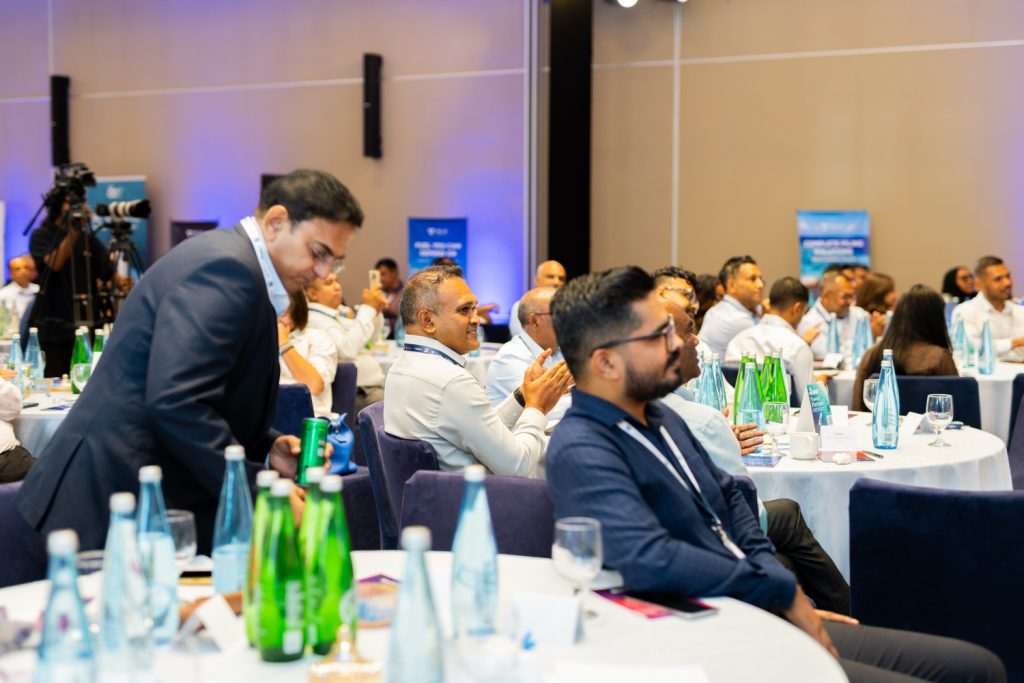
Hassan argued particularly strongly for keeping arrivals and departures in human hands. These encounters express the service a resort stands for, he said. The point at which a digital conversation passes to a colleague therefore needs to be considered during design, with clear responsibility for monitoring and intervention.
Swart offered a practical example of how information could change management meetings. At his property, he said, the team had structured the reports and information needed to produce a weekly intelligence sheet. Their discussions then focused on the health of each outlet, the week’s priorities and the risks suggested by the data.
The aim was to spend less time working through figures and more time deciding what they meant. That also required departments to understand how their information related to one another, with ownership extending beyond the general manager.
“The decision making is always human,” Swart said.
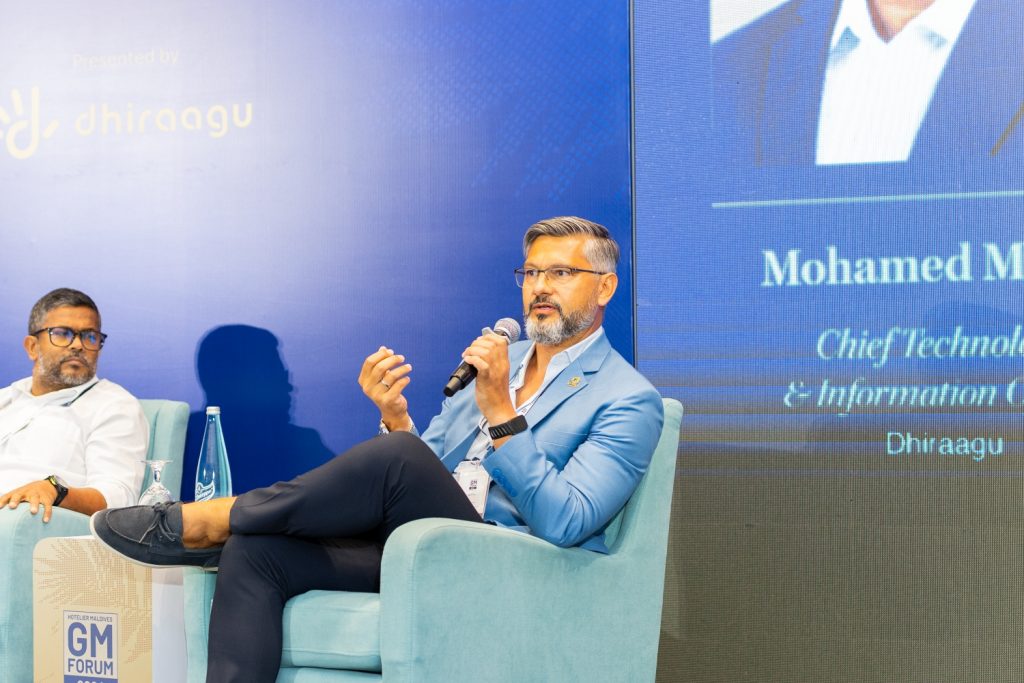
Musad’s discussion of data handling added another dimension to that ownership. Restaurant menus and opening hours, he noted, were different from booking context, personal preferences or passport details. Resorts needed to understand what information they held and what a supplier actually required.
“My advice is don’t collect what you don’t need,” he said.
He urged operators to establish where information would be stored, whether it could be deleted when a service was discontinued and whether a supplier intended to use it to train AI models. His advice was to retain control over those decisions and avoid granting unnecessary access to sensitive information.
Testing, the panel argued, should make those questions concrete before a system becomes part of daily operations. Swart proposed a manageable pilot built around a measurable problem, with results assessed for both guests and employees. Time saved, the people affected and improvements to the process would help determine whether an investment deserved to expand.
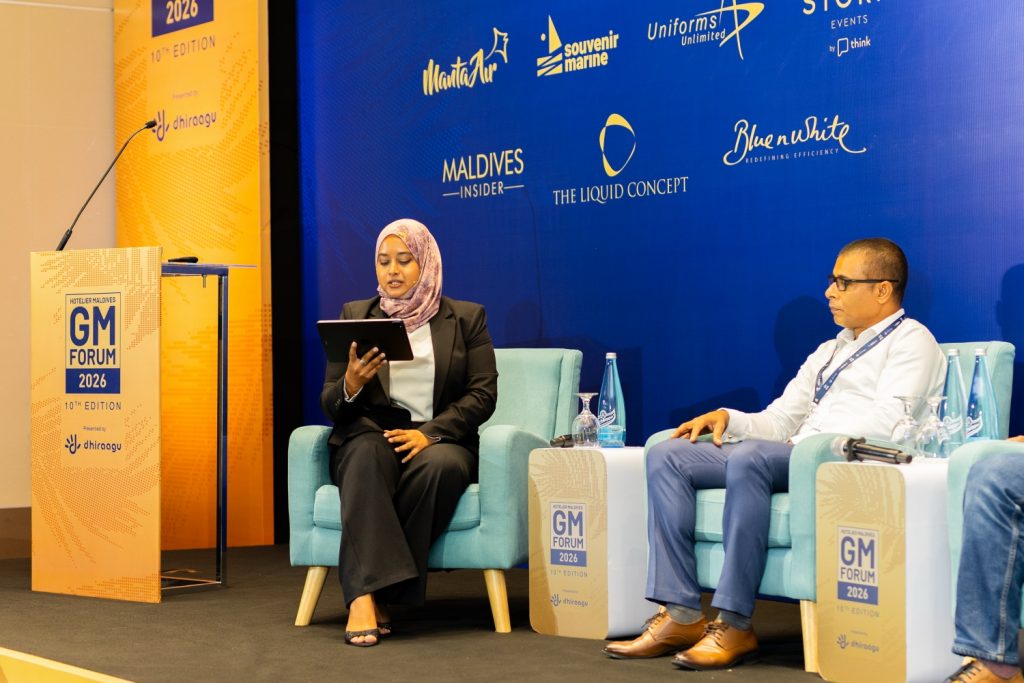
Asked about a 90-day pilot, Musad placed particular emphasis on preparation and testing. He advocated using dummy data initially and deliberately testing failure: could the team continue serving guests without the system, and could it recover? Experienced resort colleagues, he suggested, would be essential in identifying the situations a pilot needed to cover.
Hassan argued that employees already doing the work should help redesign it. Their involvement would bring practical knowledge into the process and give them a stake in making it succeed. Experiments and repeated adjustments could then improve the workflow with the people expected to use it.
The excursion scenario showed why that preparation mattered. Swart said the team needed the confidence and authority to resolve the immediate guest problem using a manual fallback, while the person responsible investigated the failure in the background.
“First of all, we can never hide behind our systems and automation,” he said.
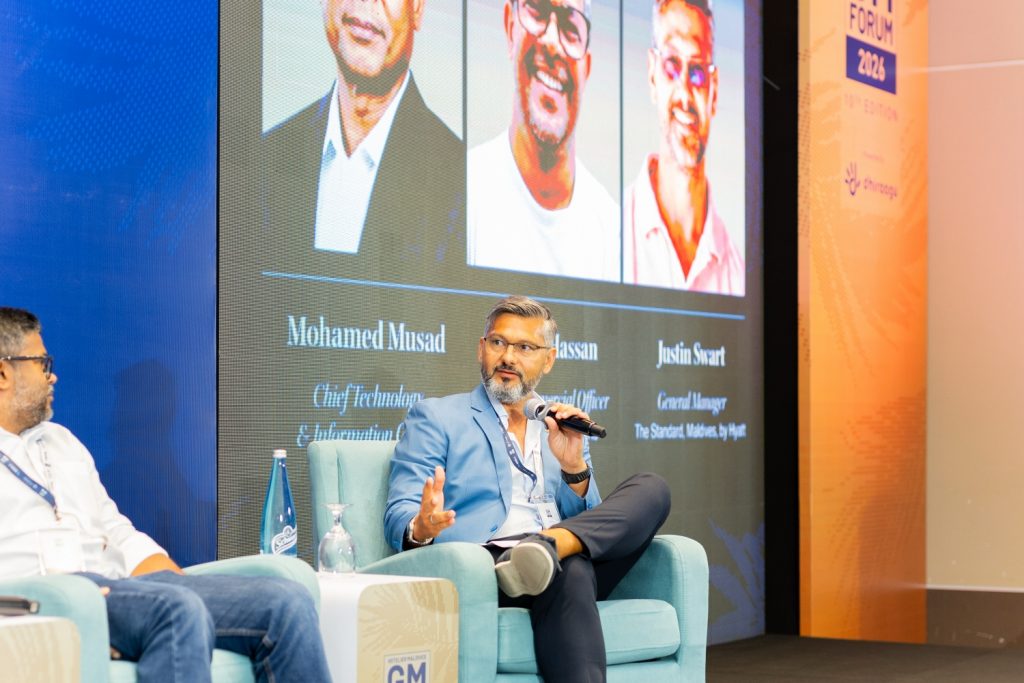
Musad described the technical response: pause the affected agent, stop sensitive information entering it and preserve logs and configurations for investigation. The cause could lie in the application, the workflow or the data. A correction would then need testing before the service resumed.
Hassan added that the failure should not automatically be labelled an AI problem. An automated process could have failed for other reasons. The task was to recover the service, identify the cause and make a lasting correction.
The discussion became more challenging when an audience member asked whether established decision-makers were limiting the opportunity by reproducing familiar hotel models. Could younger teams design a different kind of property around AI and data, with a stronger business case for owners?
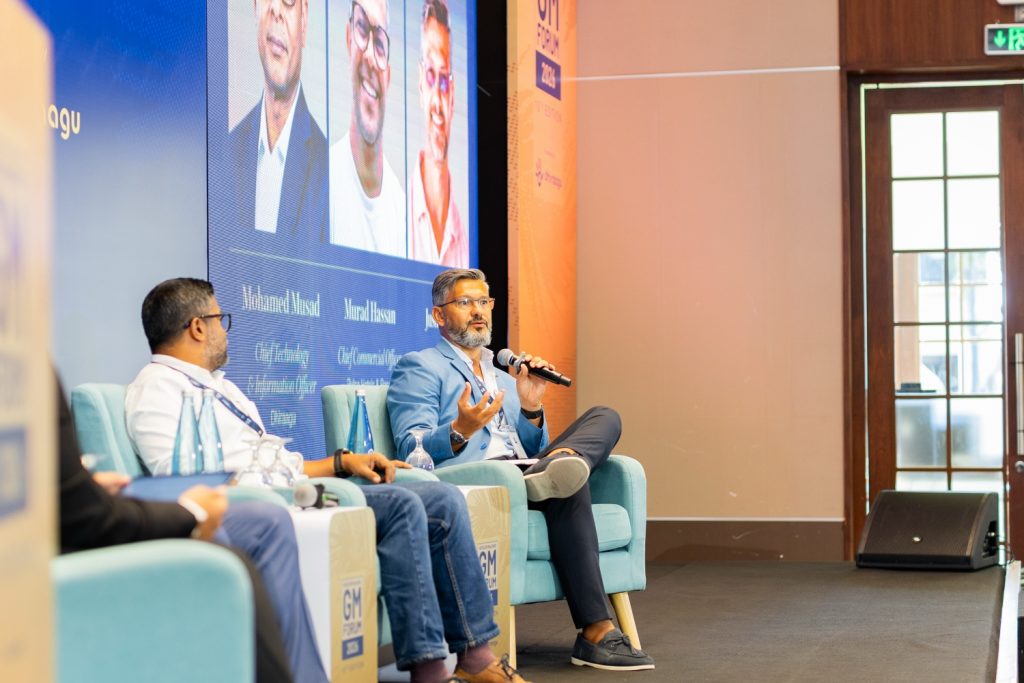
Hassan saw commercial gains already within reach. Time released from repetitive work could be spent on activities requiring human skill, while faster processes could bring promotions or rates to market sooner. Paying the same employee the same salary could still produce more value if that person’s time was used more effectively.
Musad was more cautious about the scale and timing of the returns. Automating existing processes could improve efficiency, he said, but a substantial effect on financial performance would require rethinking operations from the ground up. He saw that larger opportunity as taking longer to develop.
Hassan also urged resorts to prepare for travellers who expect to research, book and manage services through digital channels. He argued that websites needed to be accessible to AI-assisted discovery and that operators should pay attention to how younger guests would interact with their properties.
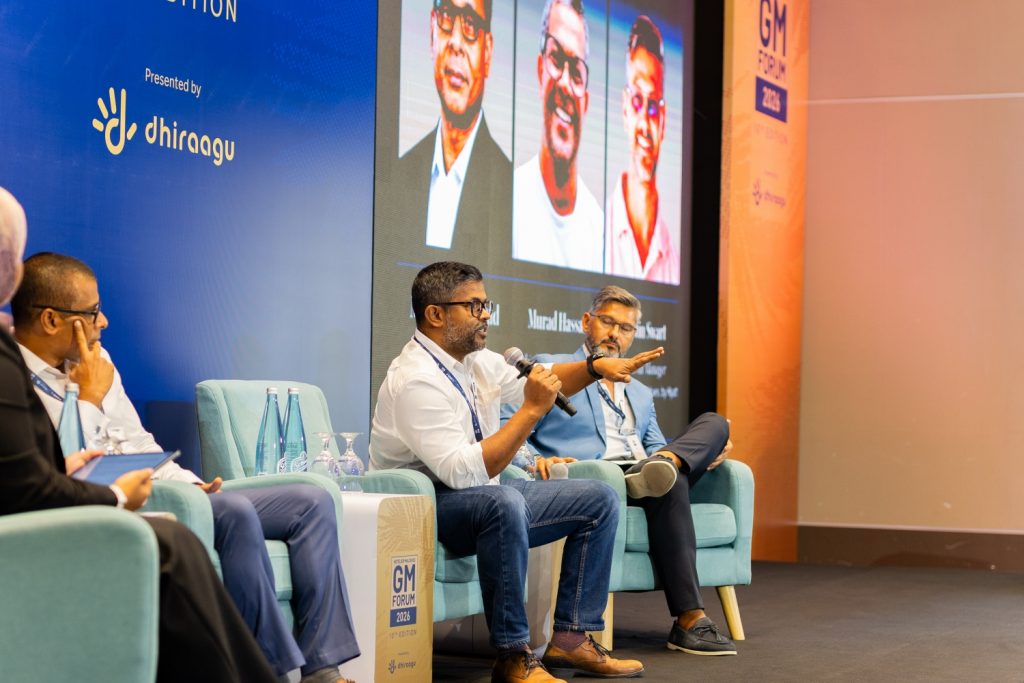
Swart cautioned against assuming that a fully technology-led resort would suit every guest. Some travellers, he observed, come to a resort to get away from the technology surrounding their daily lives. For him, the value of automation included the opportunity to give staff more time and attention for hospitality.
Audience contributions exposed further questions. One delegate worried that reliance on readily available analysis might weaken independent thought and reflection. Another pushed the discussion towards the automation of physical and administrative work, asking how labour costs and operating models might change. These remained questions about what kind of resort businesses the industry wanted to build.
Swart’s closing emphasis returned to the purpose of the investment. Technology could streamline work and improve profitability, he said, while also helping teams become more hospitable.
The test for a resort was therefore visible in the hypothetical guest at reception. A confirmation had been issued, an expectation created and a problem needed resolving. Whatever system had made the promise, responsibility for looking after the guest remained with the people running the island.
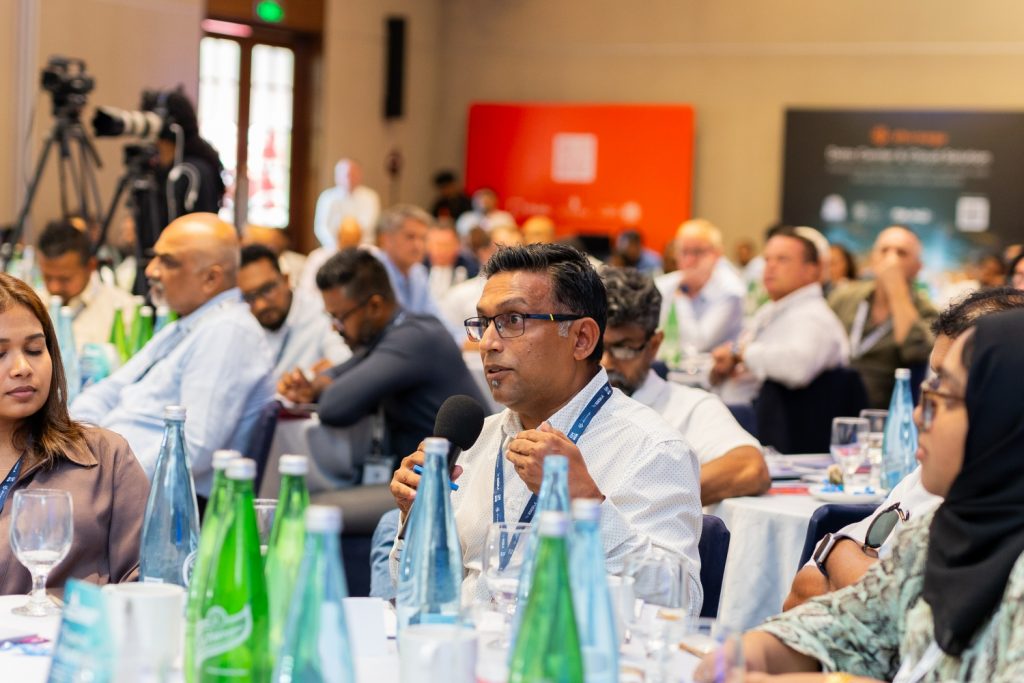
Established in 2016, the Hotelier Maldives GM Forum provides an annual platform for hospitality leaders and businesses serving the tourism sector to exchange perspectives on operational and strategic issues. The 2026 gathering marked the forum’s 10th edition.
A range of companies supporting different areas of the tourism industry partnered with GM Forum 2026.
Dhiraagu was the Premier Sponsor, while STO Energy was the Platinum Sponsor. Bank of Maldives (BML) was the Banking Partner, Dhivehi Insurance was the Insurance Partner, and Male’ Aerated Water Company (MAWC) was the Beverage Partner.
The Silver Sponsors were Maldives Airports Company Limited (MACL), Villa Hakatha, Bestbuy Maldives (BBM) and Atoll Solar.
ALIA, Uniforms Unlimited, The Liquid Concept, Maldives Insider and Blue N White supported the forum as Associate Sponsors.
Souvenir Marine was the Transport Partner, Manta Air was the Aviation Partner, and Storm Events was the Organising Partner.
Through its 2026 programme and partnerships, the GM Forum brought together resort leadership and the businesses supporting hospitality operations to examine how the sector can strengthen resilience while adapting its people, technology and operating models.