



World Oceans Day: Why the ocean is the Maldives’ most valuable asset
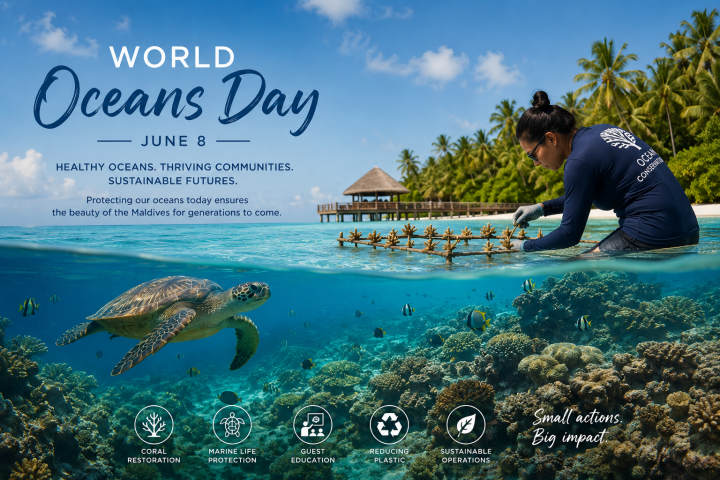
Every year on June 8, the world celebrates World Oceans Day, a global observance that highlights the vital role oceans play in sustaining life on Earth. For the Maldives, however, the ocean is much more than a natural resource worth protecting—it is the foundation of the nation’s identity, economy, culture, and tourism industry.
As one of the world’s most ocean-dependent destinations, the Maldives has a unique relationship with the sea. The turquoise lagoons, vibrant coral reefs, and rich marine biodiversity that attract visitors from across the globe are not simply tourism products; they are the very reason the country exists as a destination.
On World Oceans Day, the hospitality industry has an opportunity to reflect on the responsibility it carries in safeguarding this precious ecosystem while showcasing the significant conservation efforts already taking place throughout the country’s resorts.
The Ocean Powers Maldivian Tourism
Few destinations are as intrinsically linked to the ocean as the Maldives. Unlike many tourism markets where beaches are just one attraction among many, nearly every aspect of the Maldivian guest experience revolves around the sea.
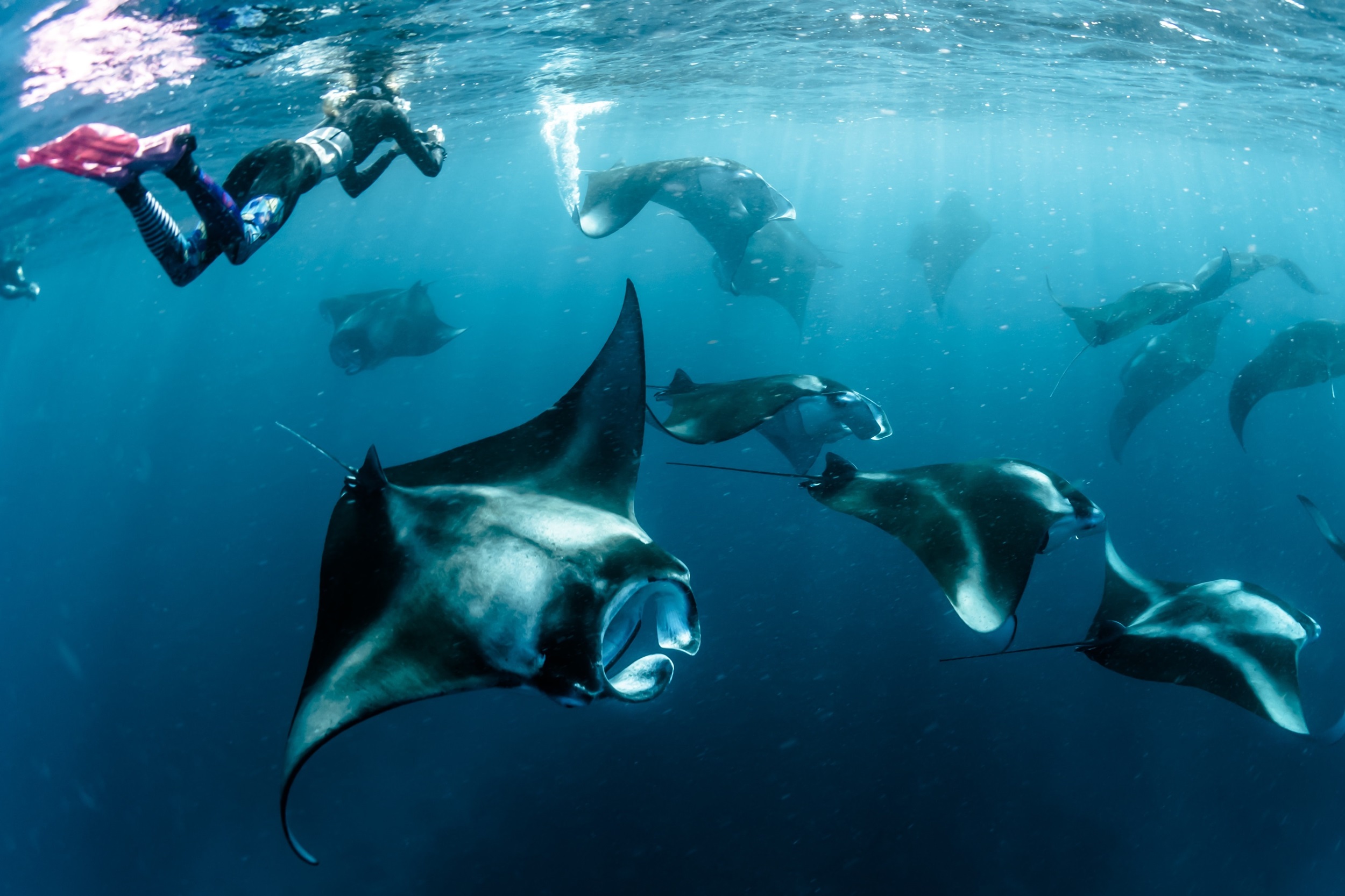
Whether it is snorkelling alongside manta rays, diving with whale sharks, dolphin cruises at sunset, underwater dining experiences, overwater villas, surfing, fishing excursions, or simply enjoying the view of an endless blue horizon, the ocean remains the country’s greatest tourism asset.
The Maldives’ coral reefs are among the most diverse ecosystems on the planet, providing habitat for hundreds of fish species, turtles, sharks, rays, and countless marine organisms. These ecosystems support not only marine life but also the livelihoods of thousands of Maldivians employed directly and indirectly in tourism.
For resorts, healthy reefs are not just environmental priorities—they are economic necessities. Guests increasingly choose destinations based on the quality of marine experiences available, making reef health a critical component of long-term business sustainability.
A Growing Commitment to Marine Conservation
Over the past decade, Maldivian resorts have emerged as leaders in marine conservation, integrating environmental stewardship into guest experiences and operational strategies.
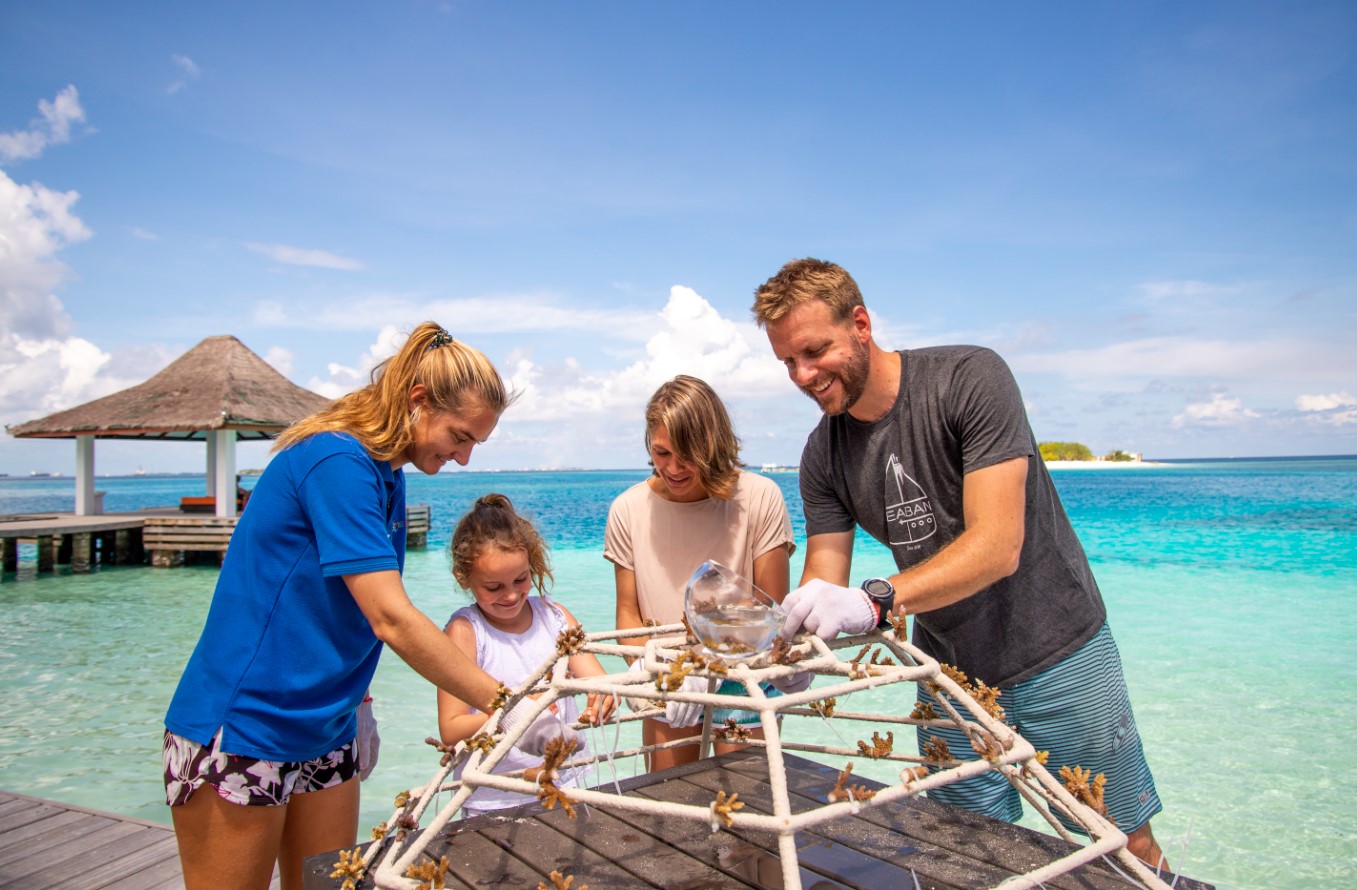
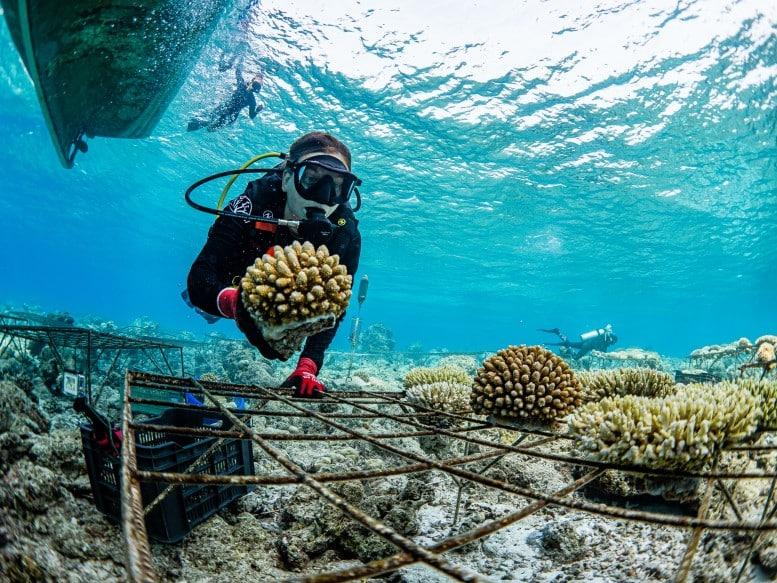
Many properties now employ resident marine biologists who monitor reef health, conduct scientific research, and educate guests about local ecosystems. Coral propagation programmes have become increasingly common, allowing resorts to actively contribute to reef restoration while creating meaningful guest engagement opportunities.
Coral nurseries can now be found across numerous resorts, where fragments of coral are cultivated and later transplanted onto damaged reef areas. These initiatives not only help restore marine habitats but also provide visitors with a deeper understanding of the challenges facing coral ecosystems globally.
Resorts are also partnering with conservation organisations, universities, and marine research institutions to support projects focused on turtle protection, manta ray identification, reef monitoring, and marine biodiversity research.
For guests, these efforts transform a holiday into an educational experience, creating stronger connections between travellers and the natural environment they have come to enjoy.
Climate Change and the Ocean Challenge
World Oceans Day also serves as a reminder of the challenges facing marine ecosystems worldwide.
The Maldives stands on the frontlines of climate change. Rising sea temperatures, coral bleaching events, ocean acidification, and sea level rise pose significant threats to marine biodiversity and the tourism industry that depends upon it.
Coral reefs are particularly vulnerable. Prolonged periods of elevated ocean temperatures can trigger bleaching events, weakening reef systems and reducing their ability to support marine life.
For a destination whose global reputation is built on underwater beauty, protecting reef resilience is becoming increasingly important. This has prompted many resorts to invest in renewable energy, reduce single-use plastics, improve waste management systems, and adopt more sustainable operating practices that help minimise environmental impact.
The connection is clear: protecting the ocean is not only an environmental obligation but also a business imperative.
Guests as Partners in Conservation
Today’s travellers are increasingly seeking meaningful and responsible travel experiences. Sustainability is no longer viewed as an optional extra but as an expectation.
World Oceans Day provides resorts with an ideal platform to engage guests in conservation efforts through reef clean-ups, beach clean-ups, citizen science programmes, coral planting activities, educational workshops, and marine biologist presentations.
These experiences allow visitors to become active participants in protecting the environment rather than passive observers.
Many resorts have found that guests who engage in conservation activities develop stronger emotional connections to both the property and destination, creating memorable experiences that extend well beyond traditional luxury offerings.
Strengthening the Maldives’ Global Position
As competition among tropical destinations intensifies, sustainability and environmental leadership are becoming key differentiators.
The Maldives has already established itself as a global leader in luxury tourism. The next opportunity lies in strengthening its position as a leader in sustainable ocean tourism.
By expanding marine conservation programmes, supporting scientific research, investing in renewable energy, and collaborating across the industry, resorts can further enhance the destination’s reputation while protecting the natural resources upon which tourism depends.
World Oceans Day serves as a reminder that the future of Maldivian tourism is inseparable from the future of its oceans.
The crystal-clear lagoons, thriving coral reefs, and extraordinary marine life that continue to inspire travellers from around the world are among the country’s most valuable assets. Protecting them is not simply about preserving nature—it is about securing the future of an industry that supports communities, creates livelihoods, and showcases the Maldives to the world.
For the Maldives, every day is connected to the ocean. World Oceans Day is an opportunity to celebrate that connection and renew the commitment to safeguarding it for generations to come.