



One team, one table: Inside The Ritz-Carlton Maldives, Fari Islands’ award-winning F&B operation
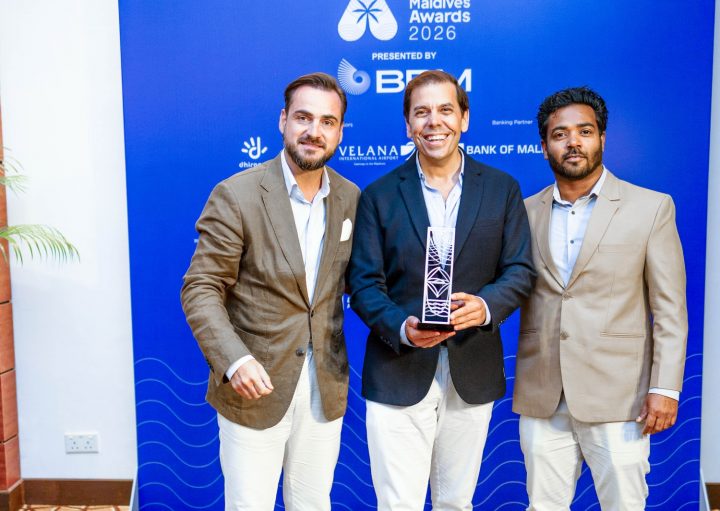
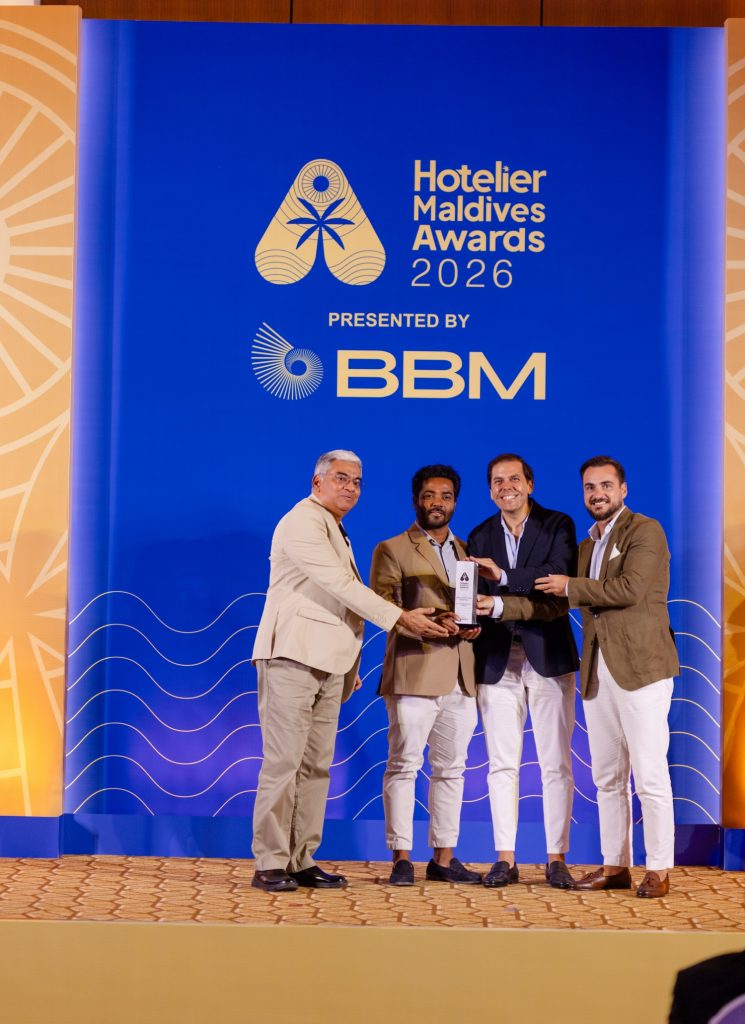
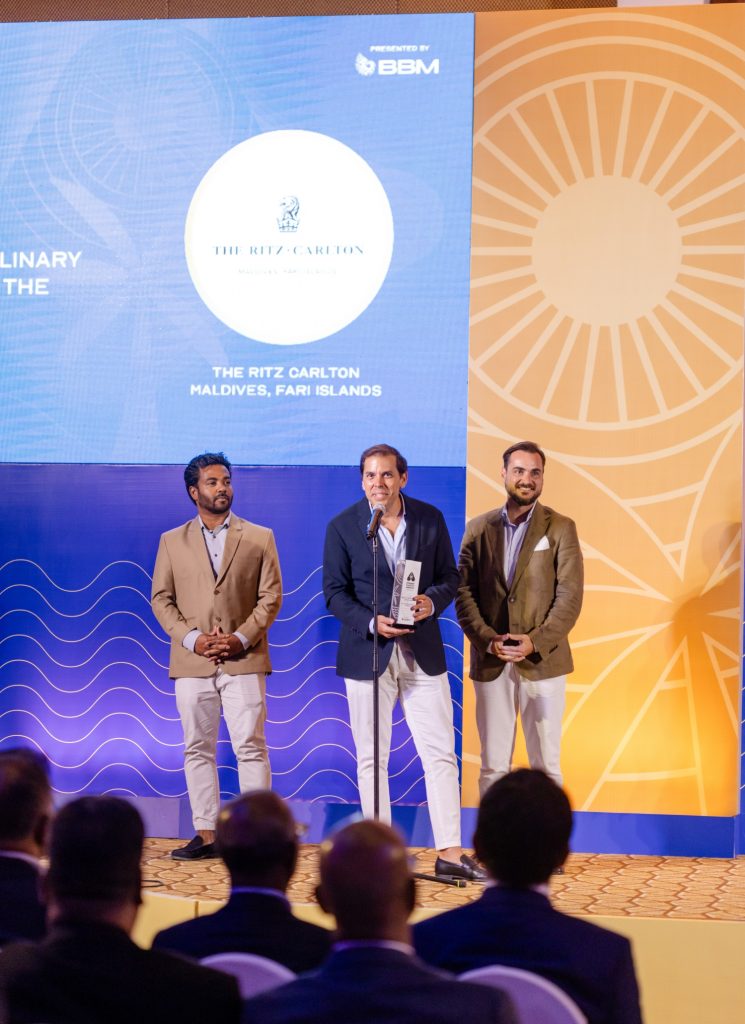
At The Ritz-Carlton Maldives, Fari Islands, the F&B and culinary operation is built around a principle that both the kitchen and service teams return to throughout the day: guest needs first. In 2026, that approach was recognised when the resort’s F&B and Culinary Team won F&B & Culinary Team of the Year at the Hotelier Maldives Awards.
While the award reflects the performance of a resort-wide operation, the story of the team is closely linked to Summer Pavilion, the resort’s Cantonese Chinese restaurant. Under Executive Chinese Chef David Kang and Director of Food and Beverage João Miguel Pais, Summer Pavilion has become a reference point for how cuisine, service, training and communication can work together in a resort environment where expectations are high and each guest experience must be tailored.
For Chef David, the award is first a recognition of the team. “It’s a confirmation for the team,” he said. “It proves all the hard work, the dedication and the effort that they put in order to receive the award.” He sees the recognition as belonging equally to food and beverage and culinary, and as a reason for the team to continue working with the same discipline.
João views the award in similar terms. “I feel proud. First of all, I feel very proud for the team and for the job as we did last year,” he said. “This achievement is really very significant for us.”
Summer Pavilion occupies a particular place within the resort’s dining landscape. It presents Cantonese Chinese cuisine in a Maldives resort setting, where guests arrive with different culinary references, dietary requirements and expectations of service. This makes the work of the team both technical and personal. Chef David says the starting point is not the dish, but the guest.
“Guest expectation always comes first,” he said. “We are at The Ritz-Carlton. It’s something that we built around them. We personalise the service, personalise the experience by using our authentic cooking techniques with a modern-day ingredient and obviously heavily influenced by the local produce as well.”
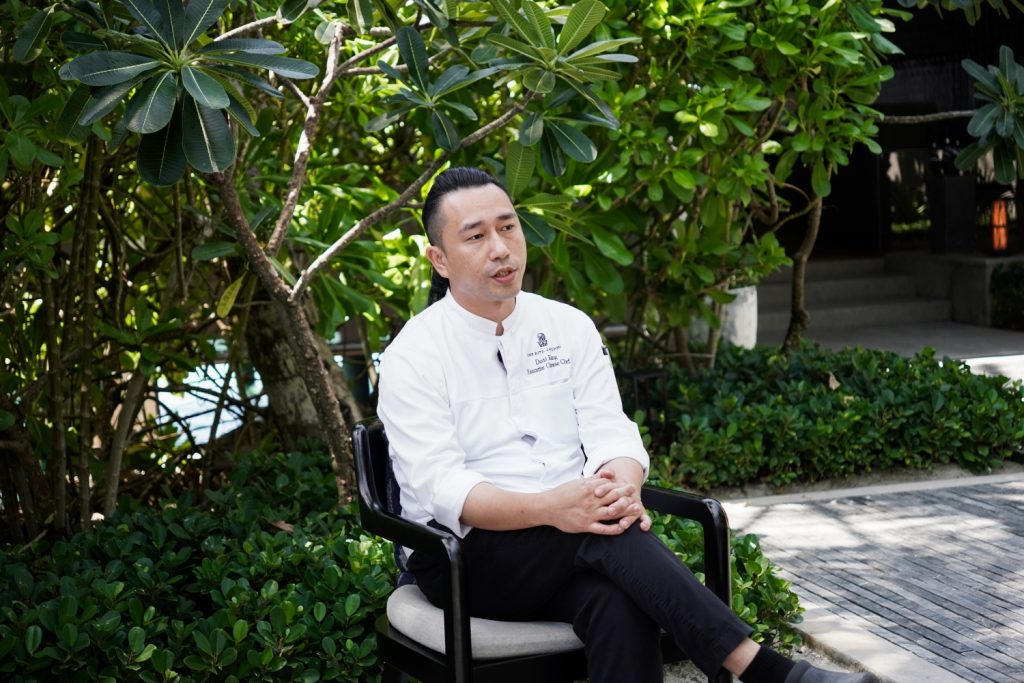
That balance is central to Summer Pavilion’s role. The restaurant does not treat authenticity as a fixed presentation detached from place. Instead, the team works with Cantonese cooking techniques while responding to the produce, setting and pace of island life. Chef David points to reef fish, coconut, spices and local fruits as ingredients that can carry the Maldives into the dining experience without changing the foundation of the cuisine.
“It will go to waste if we weren’t to use the local produce,” he said. “You’re in the paradise, right? So you want to explore all the different aspects and by implementing them in the cooking, just for example, taking the local reef fish, the coconuts, the local spices, and all the small fruits into the way we design the dish, where we can elevate these significance of the locals to give them a better experience and to remind them once again they are in the Maldives with us at The Ritz-Carlton with different culture cooking styles.”
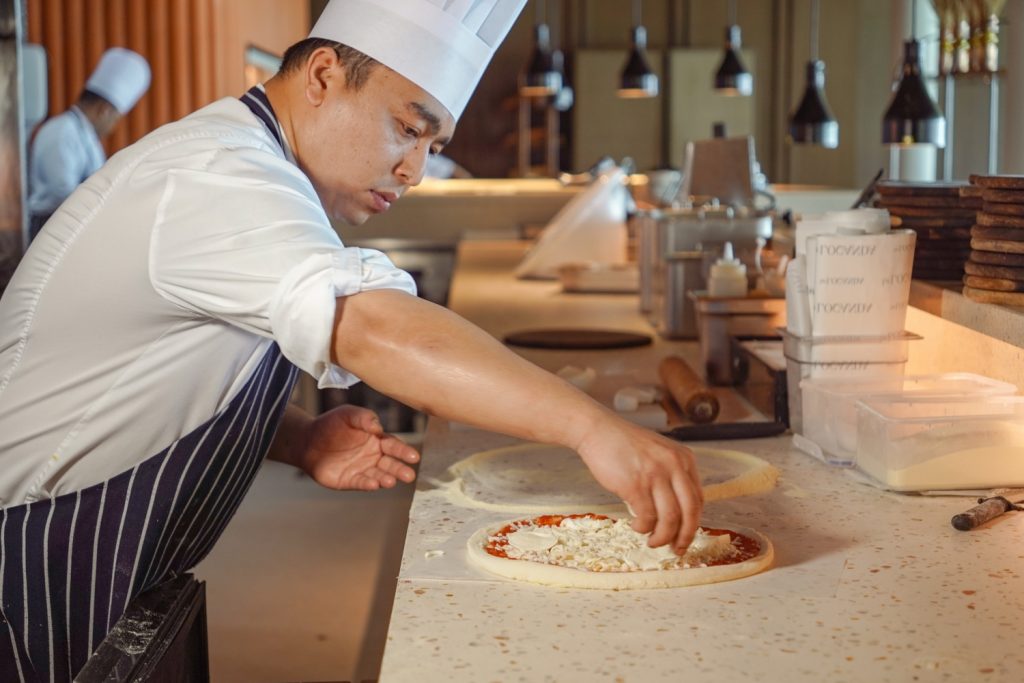
The approach requires daily attention. Chef David describes elevation as an ongoing process, not a seasonal exercise or a menu revision carried out only at intervals. The team speaks with guests, understands preferences and builds the experience around those details. “We are elevating every day, day-to-day basis,” he said. “It’s almost like a protocol that we structure the way to enhance the guest experience, personalise the experience.”
For him, the measure of that work must come from the guest. “Elevating the experience, this comment should come from the guests,” he said. “They should be commenting that they are feeling the elevation, they are feeling the personalised. And without knowing what they want, we cannot sort of build that experience.”
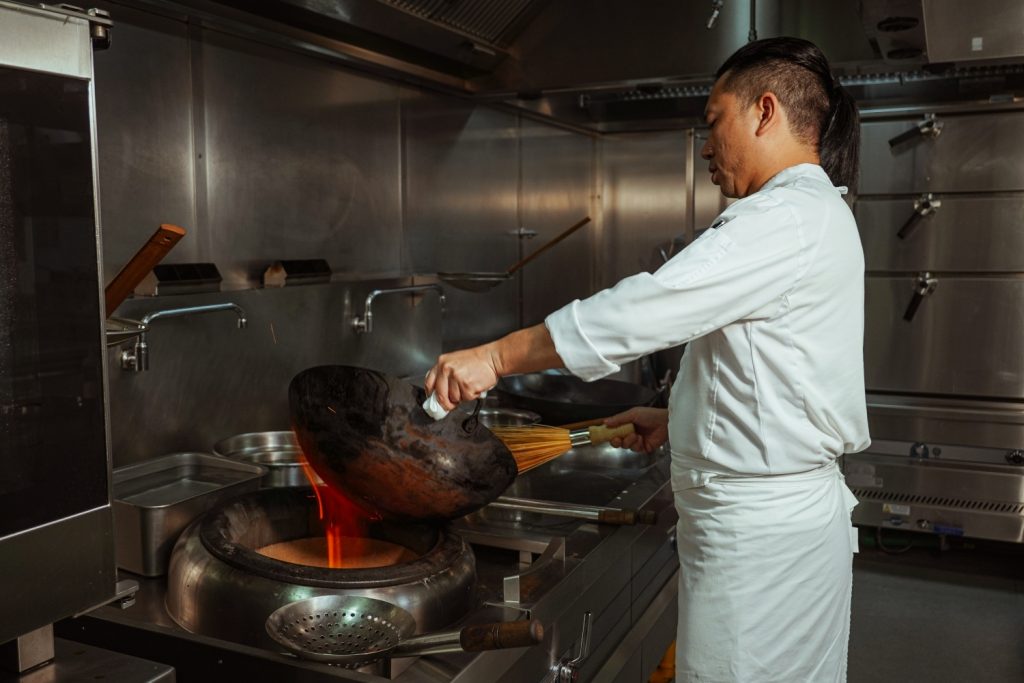
This attention to guest understanding played a role in Summer Pavilion receiving Forbes Travel Guide Four-Star recognition. Chef David said the milestone required “mental commitment” and work across departments. Consistency was necessary, but not sufficient. “We will never be recognised as a four-star if we were delivering the same thing every day,” he said. “Consistency is only so consistent, but it needs to be personalised.”
He gives a simple example. A dish such as fried rice may be familiar to the kitchen, but it may not carry the same meaning for every guest. The team must understand what a guest has experienced before and what the guest expects from the dish. That process requires communication between the floor and the kitchen. According to Chef David, Summer Pavilion became the first Chinese outlet in the Maldives to receive Forbes Four-Star recognition, a milestone that has added focus to the team’s next objective.
“What comes next? Five-star,” he said. “Five-star will definitely be something that we will be striving for. But then again, recognition was never the goal that we strive for. Guest satisfaction was always been the goal.”
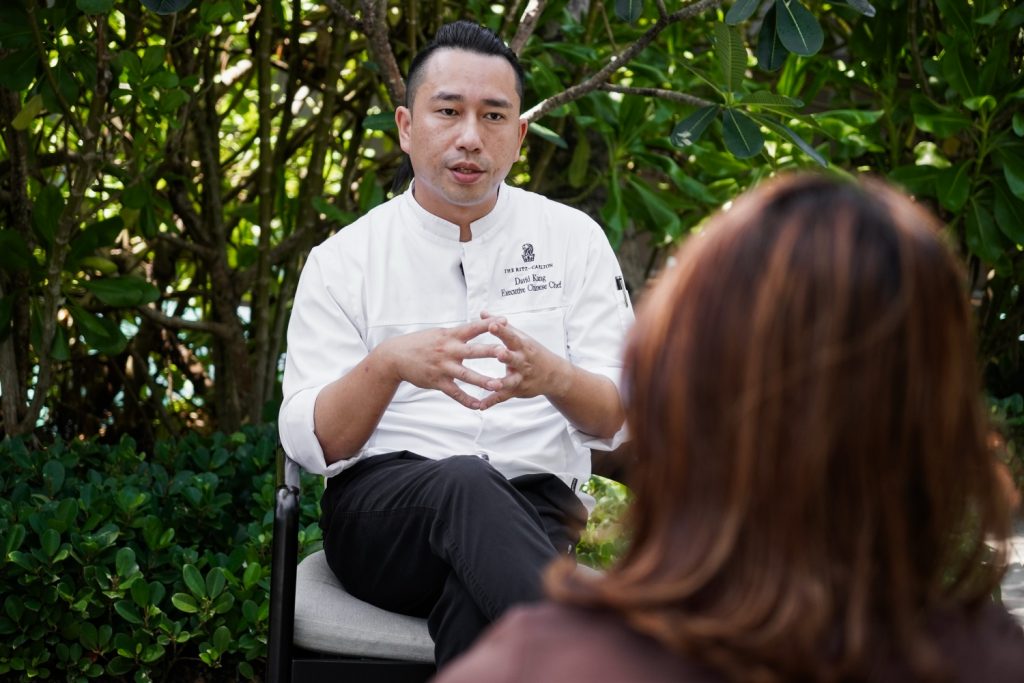
Behind the restaurant’s progress is a broader F&B structure led by João, who brings two decades of hospitality experience and 11 years as an Executive Director of Food and Beverage. At The Ritz-Carlton Maldives, he oversees a portfolio that extends beyond Summer Pavilion. The resort includes EAU Bar, with Japanese food balanced with Maldivian products; IWAU, the chef’s table; La Locanda, offering Italian cuisine in a family-style setting; Beach Shack, with a Mediterranean approach and Spanish influence; Arabesque, focused on Levantine Arabic cuisine; and Tum Tum, an Asian street food truck open for lunch.
This range of outlets gives the resort breadth, but also creates operational pressure. João says challenges are part of the daily work of an island resort. Weather, logistics, the environment and team coordination all shape operations. Yet he does not see challenges only as obstacles. “We don’t look just only as a challenge, we look into learning concept,” he said. “Always when we have a challenge, we win, let’s say, a battle and learn from that, and improving, doing better.”
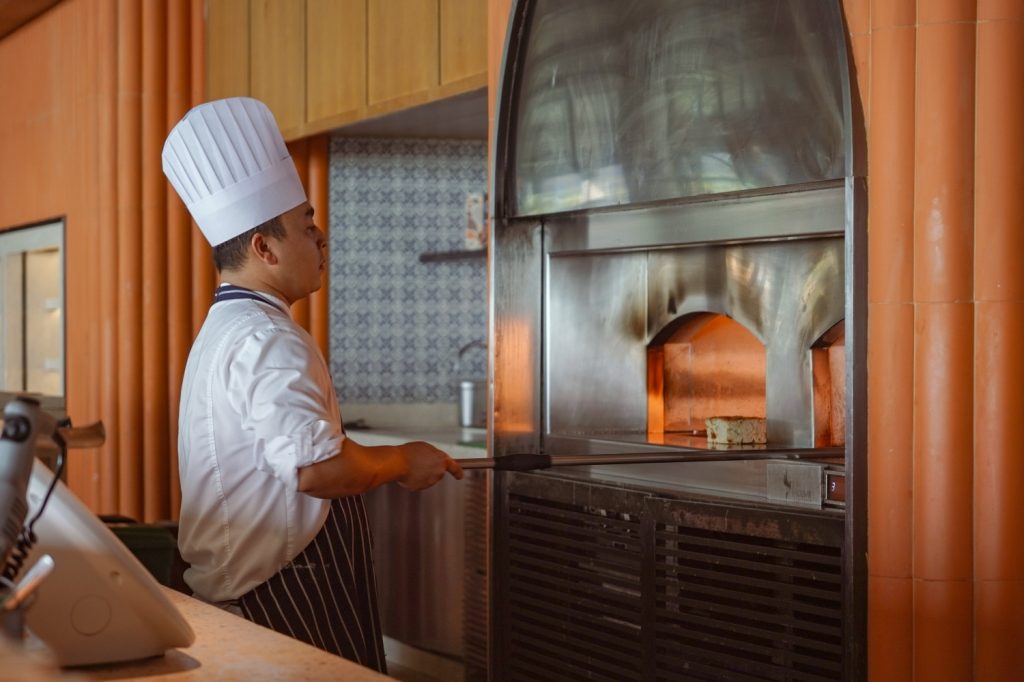
For João, consistency under pressure is one of the most important responsibilities of the F&B operation. The team relies on training, standards and repeated alignment. “We do intensive programme of training,” he said. “This is the most important thing, the consistency.” He compares success to a championship. “The championship doesn’t win the best team. It’s always the best consistent team. And of course, the prize is coming in the end of the journey.”
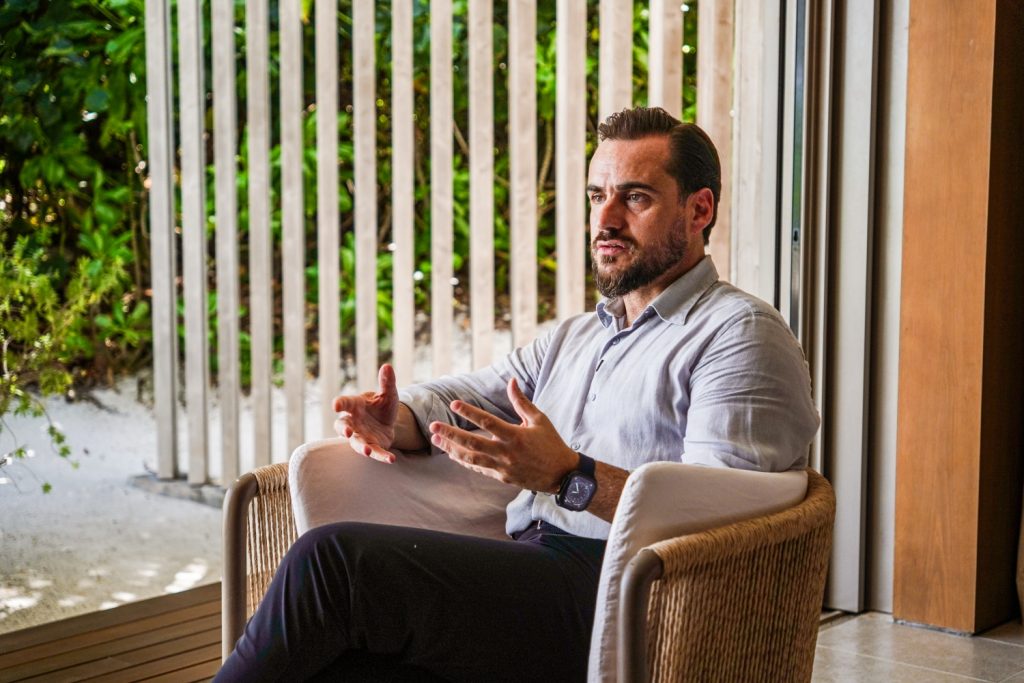
Creativity is also part of the operation, but João frames it as something that must be supported by structure. New ideas, trends and concepts are important, but they need a team capable of executing them. “The creativity is really important,” he said. “But for another side, it’s very important to place and to build and to have a team to support these creations.”
This is where his operating philosophy becomes clear. “All together, we do better,” João said. “We don’t have one-man shows. We are a team. As a team, we can achieve everything.”
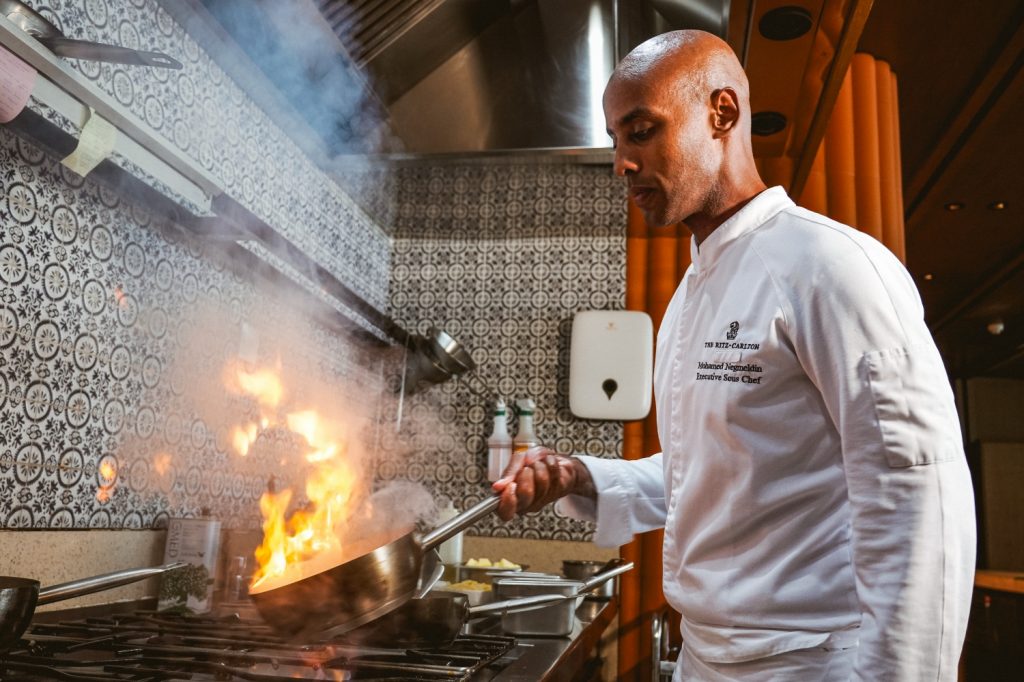
Team development happens through daily meetings, training and conversation. João says alignment is achieved when team members speak “on the same voice” while still contributing their ideas. He prefers to see some meetings as conversations, because the objective is not only to issue instructions, but to build shared direction. “Sometimes someone have his ideas, another one have other ideas,” he said. “In the end of the day, we build everything and move ahead.”
Chef David places the same emphasis on connection, particularly between service and culinary. He says there is often a disconnection between the two in hospitality operations, and that overcoming it is essential to guest experience. “They are the extensions of me while I’m the extensions of them,” he said. “With constant communication, it enhances the guest experience in a way that they can be confident with the service team with questions, whether it’s dietary, whether it’s liking, whether it’s something that they’re looking for.”
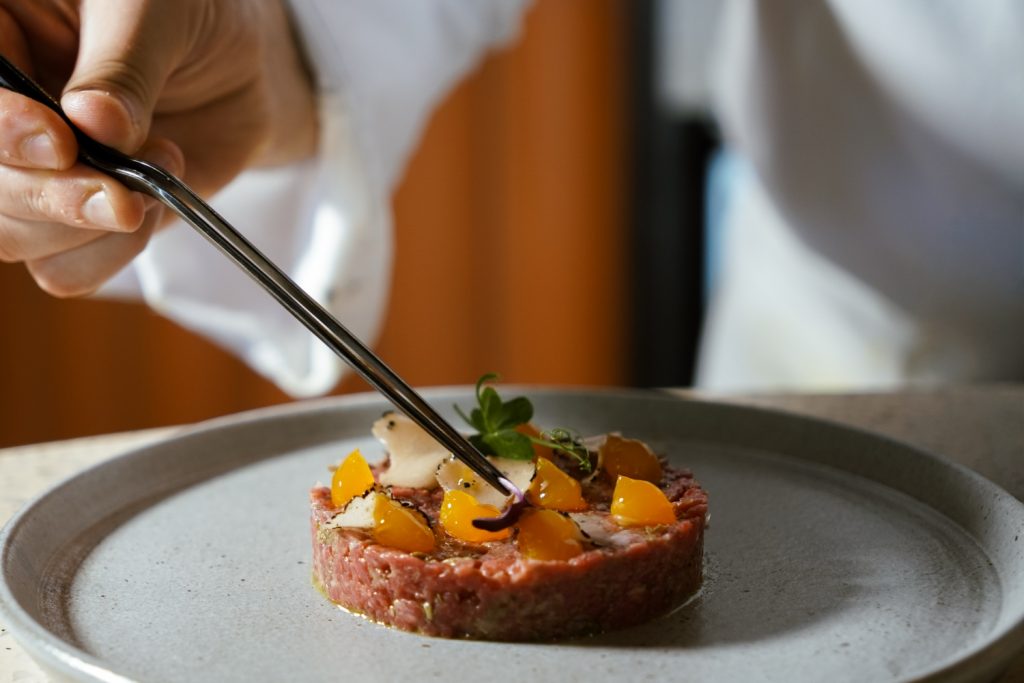
The service team must be able to understand and communicate guest preferences to the kitchen, while the culinary team must respond with precision. “For this message to be concisely delivered to the chef, to be able to craft something that is really to the guest’s liking,” Chef David said. “That goes across all of our Ladies and Gentlemen. And that’s why we’re here today, for the F&B and Culinary Award, because we were able to demonstrate how well our team can connect together and work together as one.”
The Ritz-Carlton’s internal culture also plays a role in how the team operates. João refers to the brand’s language of “Ladies and Gentlemen”, its gold standards, its credo and its service culture. For him, these are not slogans placed outside daily work; they shape how the team treats guests and each other.
“We respect ourselves as the same way as our guests,” he said. “For us it’s important, guest needs first. We will try always to supply the guest needs first.”
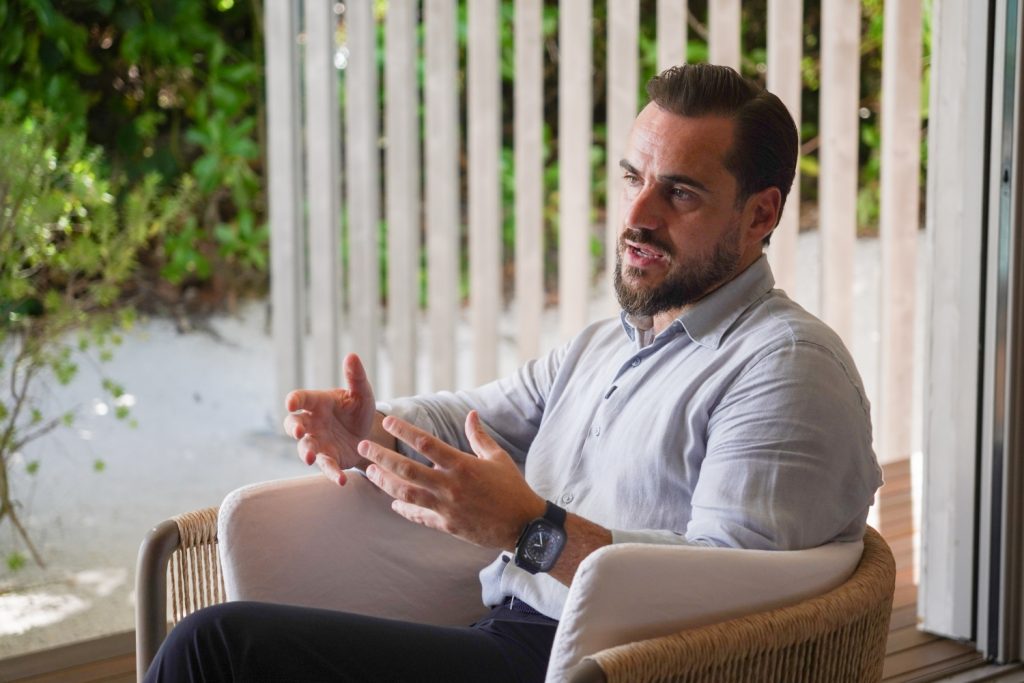
He also links team growth to external exposure. Through events and partnerships, the resort brings in international professionals, including visiting bar and culinary figures, allowing the team to learn while sharing its own culture and operating philosophy. João sees this as a way to keep the team moving forward and to give guests access to experiences that are not routine.
For young talent entering the industry, João’s advice is grounded in three principles: respect, loyalty and honesty. He speaks of these first as commitments to oneself. “We need to be committed with ourselves,” he said. “If we are committed with yourself and your conscience is tranquil, you can commit to your guests, to your colleagues, to your team, to your family, and everything.”
His own journey began in a family environment linked to hospitality, although he once wanted a different career. Over time, he chose food and beverage and committed to it. His message to young professionals is to continue working with discipline. “Keep dreaming, keep living the dream. Everything is possible. We just only need to work every single day,” he said. “I’m not the best one on my duty. I will try to do my best every single day.”
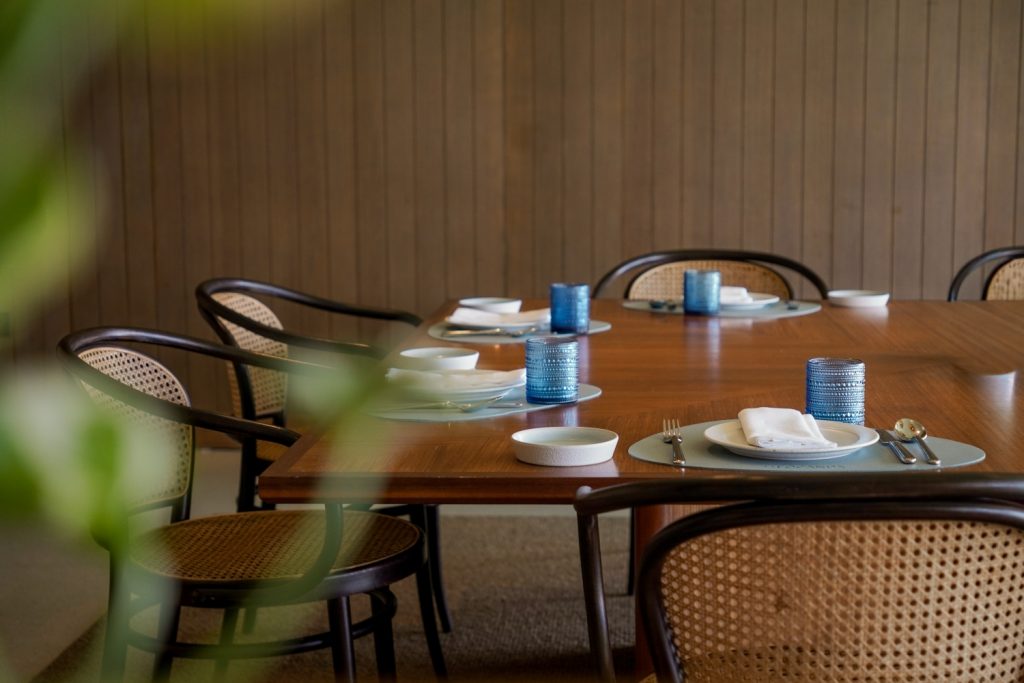
At Summer Pavilion, and across The Ritz-Carlton Maldives, Fari Islands, the award is therefore not treated as the end of a cycle. It is a point of recognition in a process that depends on consistency, communication and daily refinement. The restaurant’s Cantonese identity, the use of local produce, the Forbes recognition and the Hotelier Maldives Awards win all point to the same operational idea: the dining experience is built through the connection between guest, service and kitchen.
For Chef David, the way forward is clear. Recognition may come, and the next target may be higher. But the work remains centred on the guest. “Guest satisfaction was always been the goal,” he said. “Day in, day out, daily basis, obviously it has helped us with the Forbes.”
That daily work is now also part of the story behind the F&B & Culinary Team of the Year: a team that sees service and culinary not as separate departments, but as one operation working towards the same table.