



Systems behind the stay: How Six Senses Kanuhura’s award-winning engineering meets sustainability
At an island resort, much of the engineering team’s work is noticed only when something stops working. Water must reach kitchens and villas, power systems must operate without interruption, wastewater must be treated, lighting must function, and each facility must be maintained without disturbing guests.
When these systems work as intended, the engineering operation remains largely out of view. Behind that result is a cycle of planning, inspection, maintenance, coordination and problem-solving.
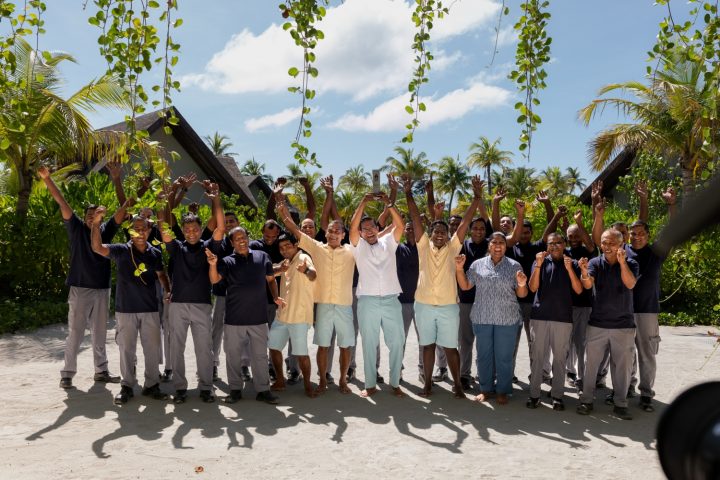
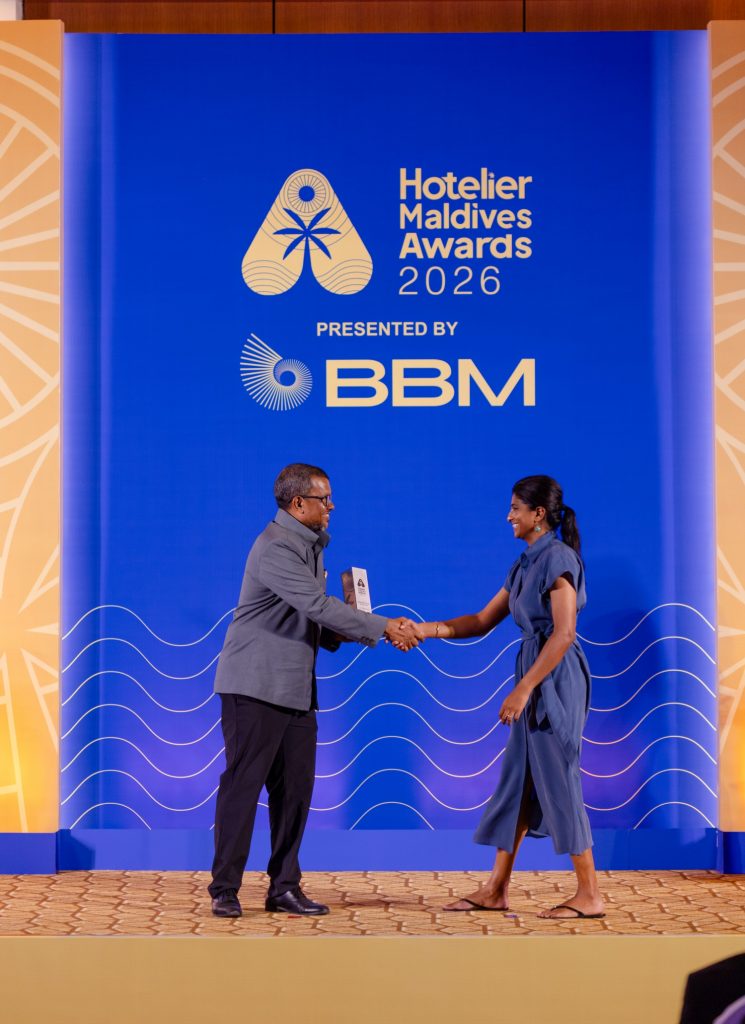
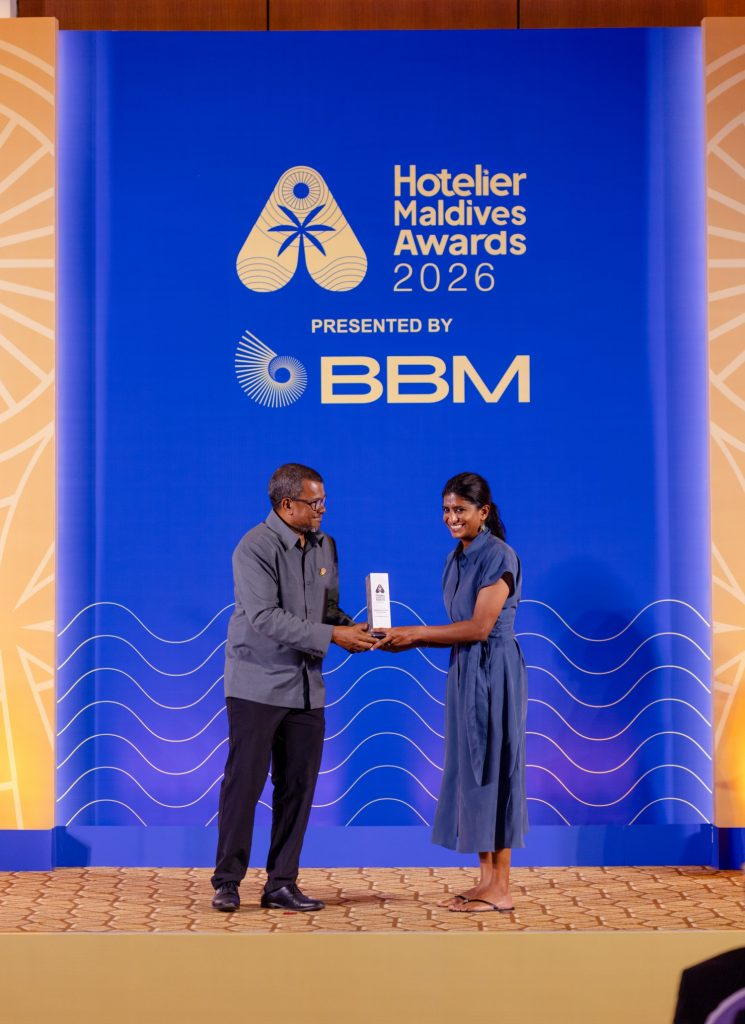
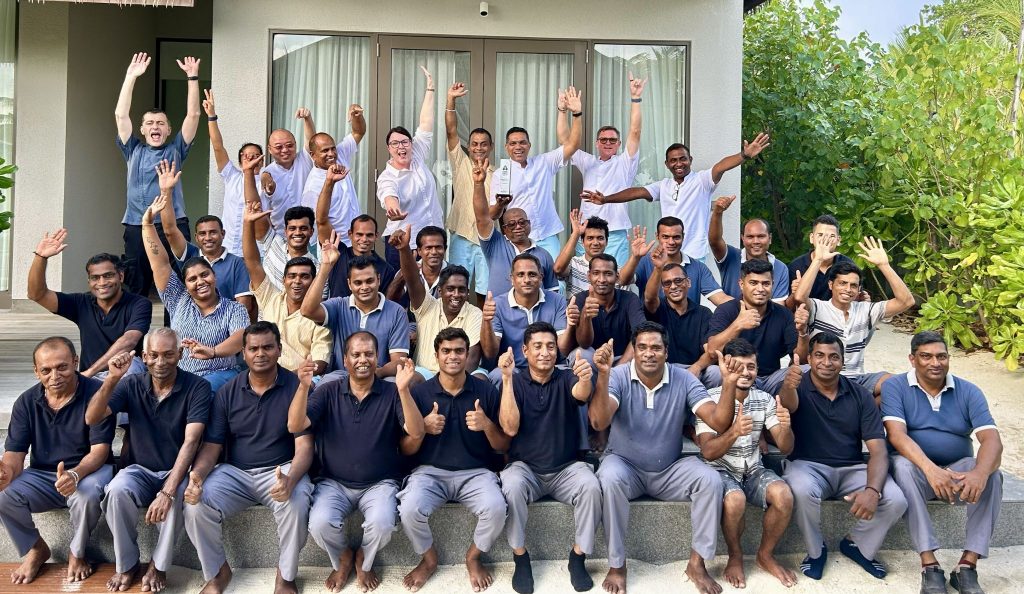
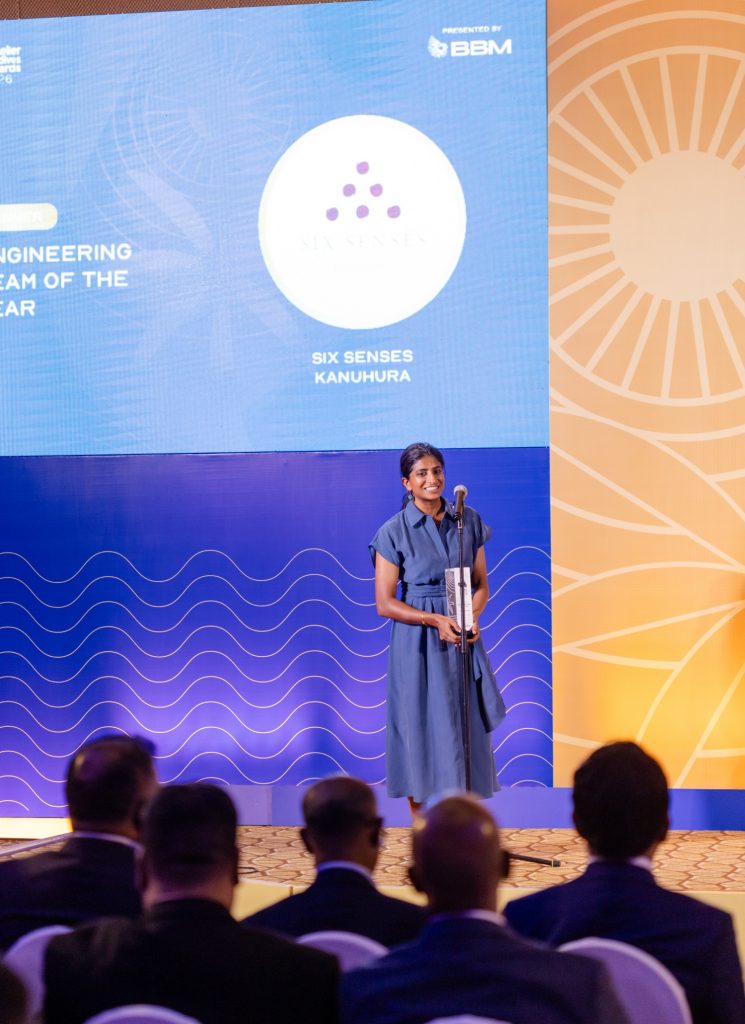
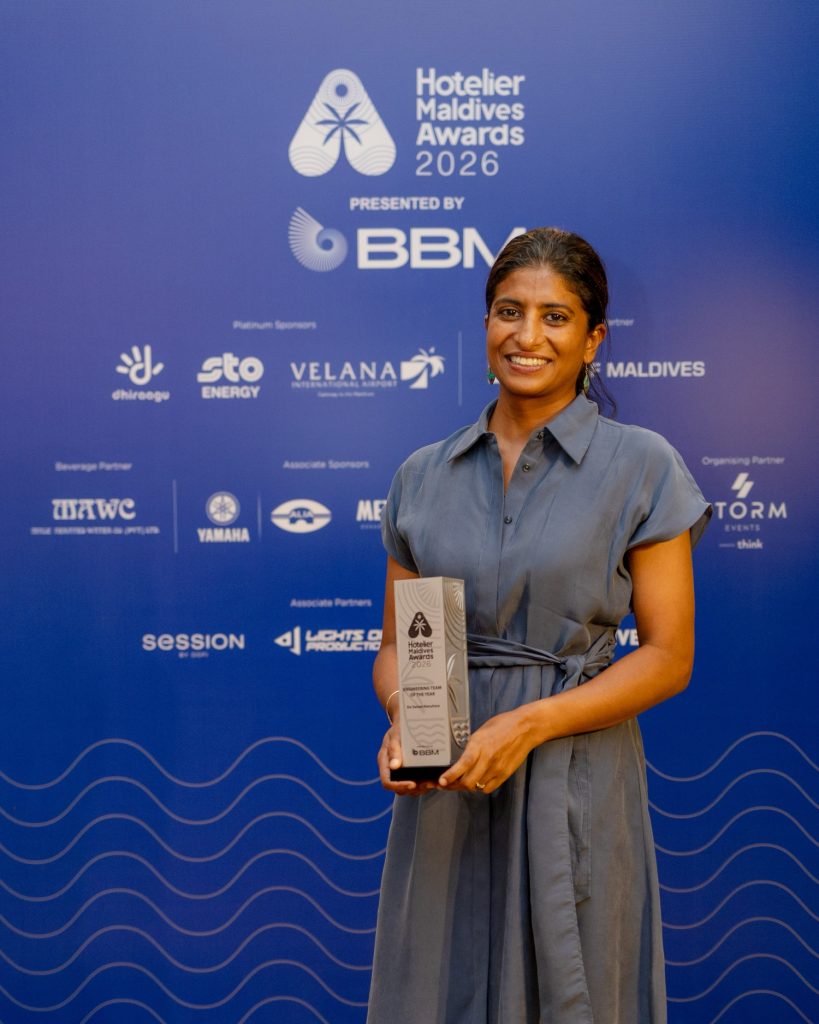
For the Engineering Team at Six Senses Kanuhura, this work led to national recognition at the Hotelier Maldives Awards 2026, where the team was named Engineering Team of the Year.
Muraleekrishnan Nelleri, Director of Engineering at Six Senses Kanuhura, says the award belongs to the colleagues responsible for maintaining the resort’s infrastructure while supporting its guest experience, sustainability commitments and development projects.
“It is a proud moment for us,” Muraleekrishnan says. “Being nominated and winning at the Hotelier Maldives Awards is one of the greatest achievements the team has had. Everyone is proud of the recognition, and it has encouraged us to continue improving.”
The award acknowledges work that extends across almost every area of resort operations. Engineering teams are responsible not only for responding to faults but also for reducing the likelihood that faults will occur. In an island environment, where access to materials, equipment and specialist support can involve added time and logistical planning, that responsibility carries further weight.
For Muraleekrishnan, the team’s contribution begins with the way it approaches each working day.
He identifies sustainability as one of the main factors behind the department’s work and its recognition. Operating a resort on an island requires the team to consider how energy, water, waste, infrastructure and materials are managed.
“We are operating a luxury property on a remote island,” he says. “Because of that, we always look at sustainability in our day-to-day operations. That approach has contributed to where we are today.”
Planning before problems arise
Muraleekrishnan describes four functions as the basis of the department’s operation: planning, coordinating, directing and controlling.
The process begins with a daily briefing. Tasks are reviewed and assigned, while team members are given responsibility for their respective areas. The briefing also allows the department to examine outstanding work, operational priorities and issues that could affect guests or other departments.
“We plan every morning through a proper briefing,” Muraleekrishnan says. “We allocate tasks to the team members, and each person takes responsibility for the work assigned to them. Those individual efforts come together and contribute to the performance of the department.”
Planning is particularly important because engineering decisions can affect both the immediate resort operation and the long-term condition of its infrastructure. A repair may resolve a current fault, but the team must also consider access, future maintenance, replacement requirements and the effect of the work on surrounding facilities.
Muraleekrishnan says engineering teams at island resorts must anticipate requirements rather than wait for systems to fail.
“When guests arrive at a luxury property, they have expectations,” he says. “We need to remain one step ahead to make sure those expectations are maintained.”
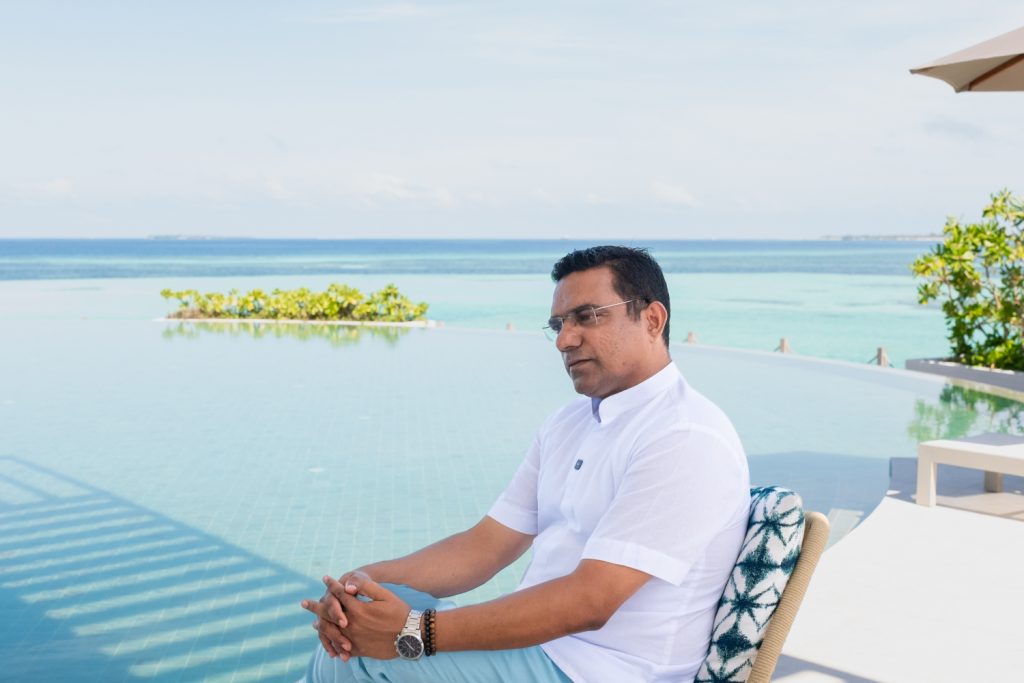
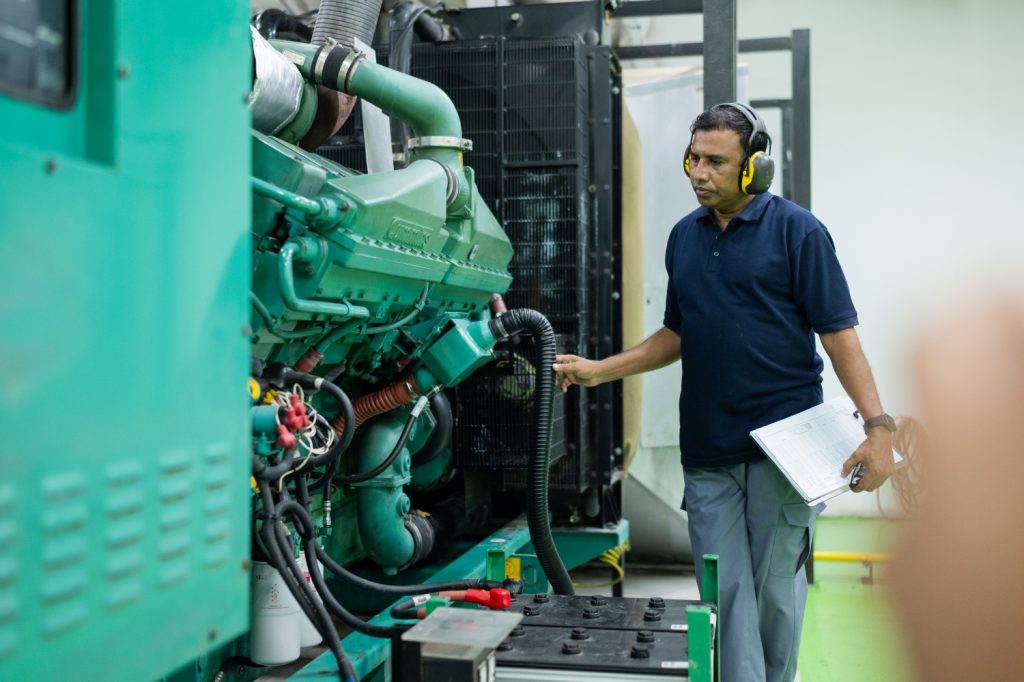
Preventive maintenance is central to this approach. Equipment and infrastructure are inspected and serviced according to planned schedules, allowing the team to identify wear, leaks, performance changes and other risks before they lead to breakdowns.
“Every preventive maintenance programme has its own actions,” Muraleekrishnan explains. “When those actions are carried out properly, the result is a property that is maintained and less exposed to disruption.”
This process requires records, follow-up and coordination. A maintenance schedule is effective only when tasks are completed, findings are documented and corrective work is carried out. The department therefore treats preventive maintenance as an operating system rather than a series of isolated inspections.
The aim is not simply to keep machinery running. It is to ensure that guests can continue using villas, restaurants and resort facilities without becoming aware of the technical work taking place around them.
Resolving a problem beneath the operation
One case cited by Muraleekrishnan involved a leak in the water supply serving the resort’s main kitchen.
The team identified that water was being lost, but locating and repairing the leak presented an operational problem. The affected supply could not be shut down for an extended period without disrupting the kitchen, which in turn could affect food preparation and guest services.
“We had a complex issue with the water supply to the main kitchen,” he says. “We knew there was a leak, but it could not be resolved unless the supply was completely shut off. If we shut down the entire line, the kitchen operation would also have to stop, and that would affect the guest operation.”
Rather than impose a prolonged shutdown, the team investigated the issue outside the main operating hours. Engineering colleagues worked after hours and during the night to trace the source while allowing the kitchen to continue functioning.
“My team worked after working hours, including at midnight, and spent about a month identifying the leakage,” Muraleekrishnan says. “Once we located it, we were able to resolve it within a short breakdown period.”
The intervention reduced water loss and, according to Muraleekrishnan, generated an estimated annual saving of about USD 30,000.
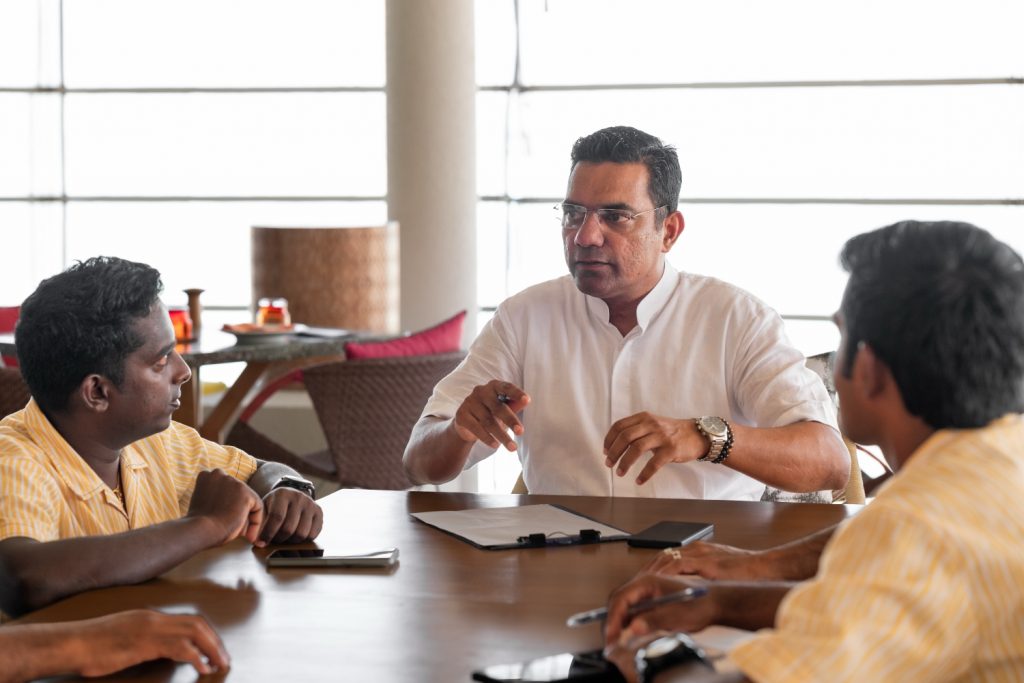
The case demonstrates the type of work that is rarely visible to guests. It required technical investigation, timing, coordination with another department and an understanding of how an engineering shutdown could affect the wider resort.
It also showed the value of persistence. The issue was not resolved through an immediate closure of the system, but through a process designed around the operational needs of the kitchen.
Engineering with the island in mind
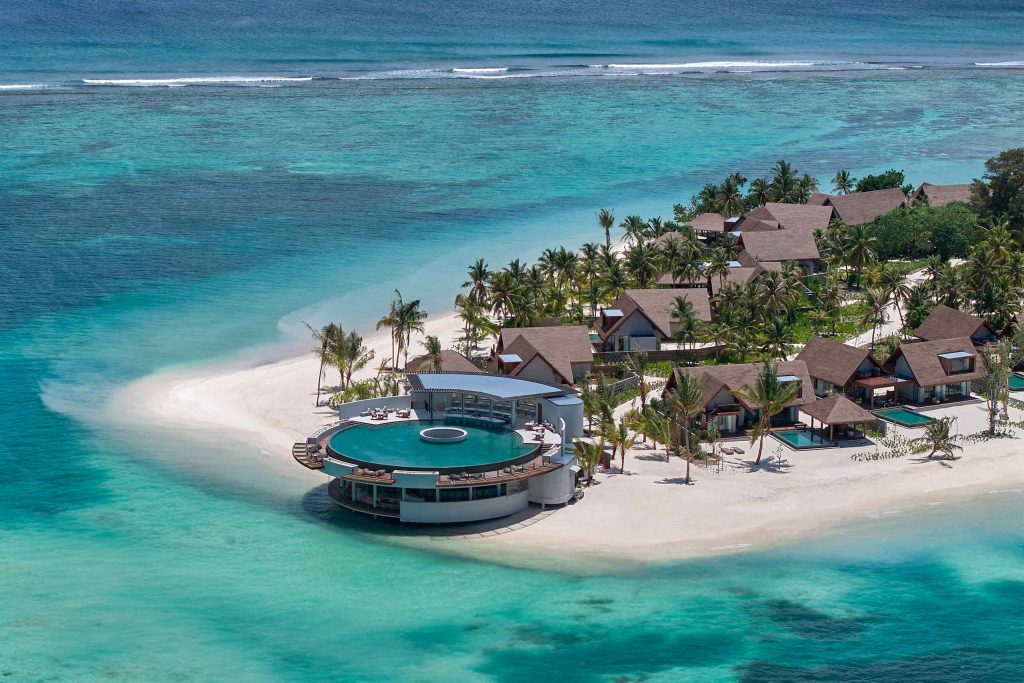
Six Senses Kanuhura’s setting influences how its engineering team approaches maintenance and projects. Muraleekrishnan says the department’s responsibility is not limited to keeping facilities operational. It must also consider the effect of its activities on the island.
“We are committed to maintaining Kanuhura’s surroundings,” he says. “We do not want to harm nature. We protect it and work with respect for it.”
This commitment affects the department’s daily decisions, from energy and water management to material use and waste handling.
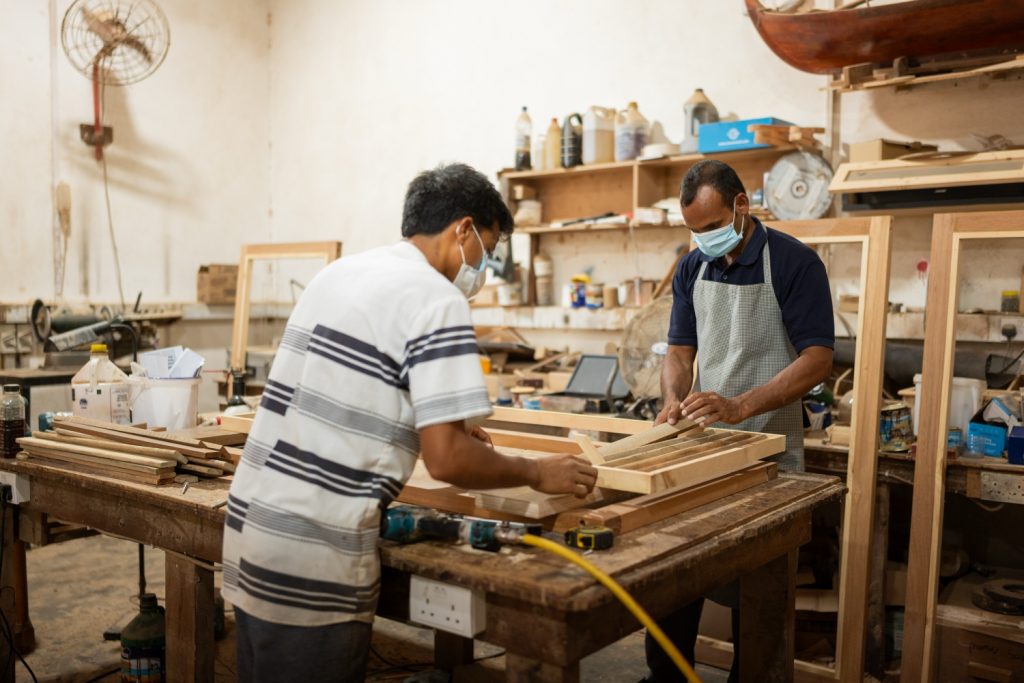
Muraleekrishnan describes sustainability as part of the team’s operating culture rather than a separate activity.
“Sustainability is our breath,” he says. “We live in sustainability, we work in sustainability, and we think about sustainability. Every process and activity is monitored and documented. That monitoring and documentation help us operate as a sustainable hotel.”
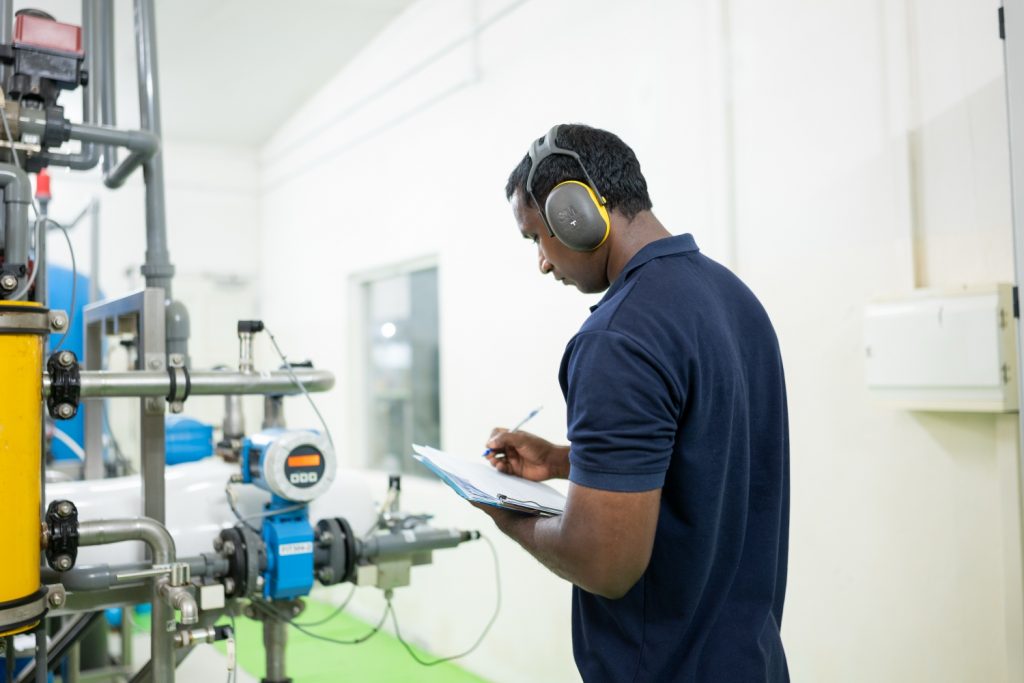
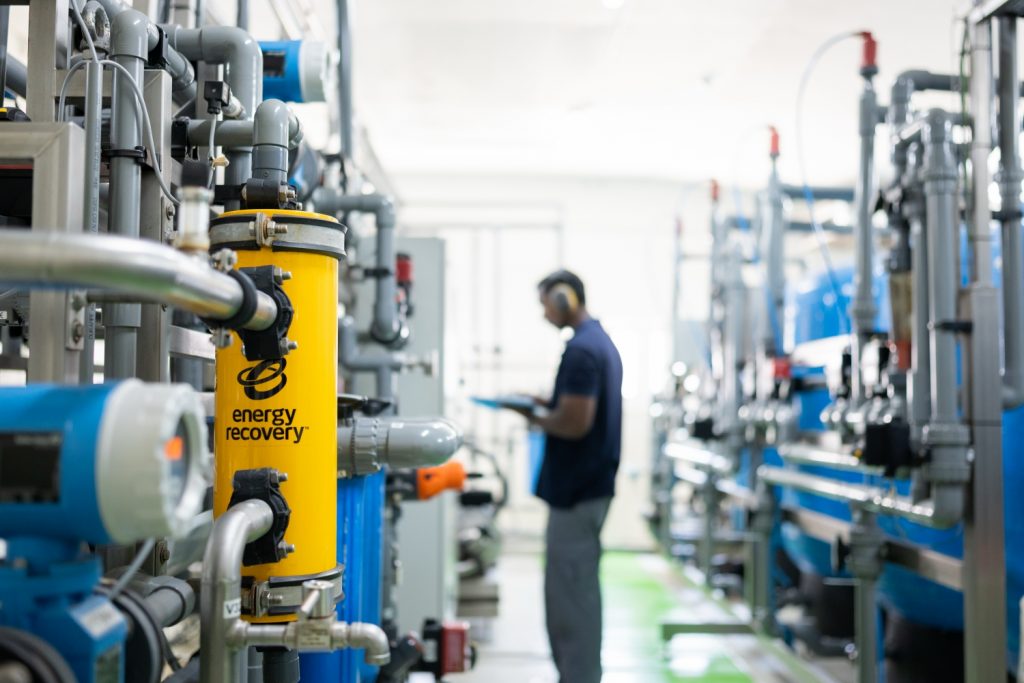
The team is involved in energy conservation measures and in managing systems such as generators, water production facilities and the sewage treatment plant. The focus is not only on identifying methods to conserve resources, but also on implementing them as part of a consistent operating pattern.
“We look at energy conservation activities and the methods we can implement,” Muraleekrishnan says. “We also look at how generators are operated, how the water plants are run and how the sewage treatment plant is used. The objective is to maintain a sustainable pattern throughout the engineering operation.”
Monitoring provides the team with information about how systems are performing. Documentation then allows it to compare results, track changes and identify areas where further action is required.
This combination of technical management and environmental responsibility forms part of the Six Senses approach under which the department operates.
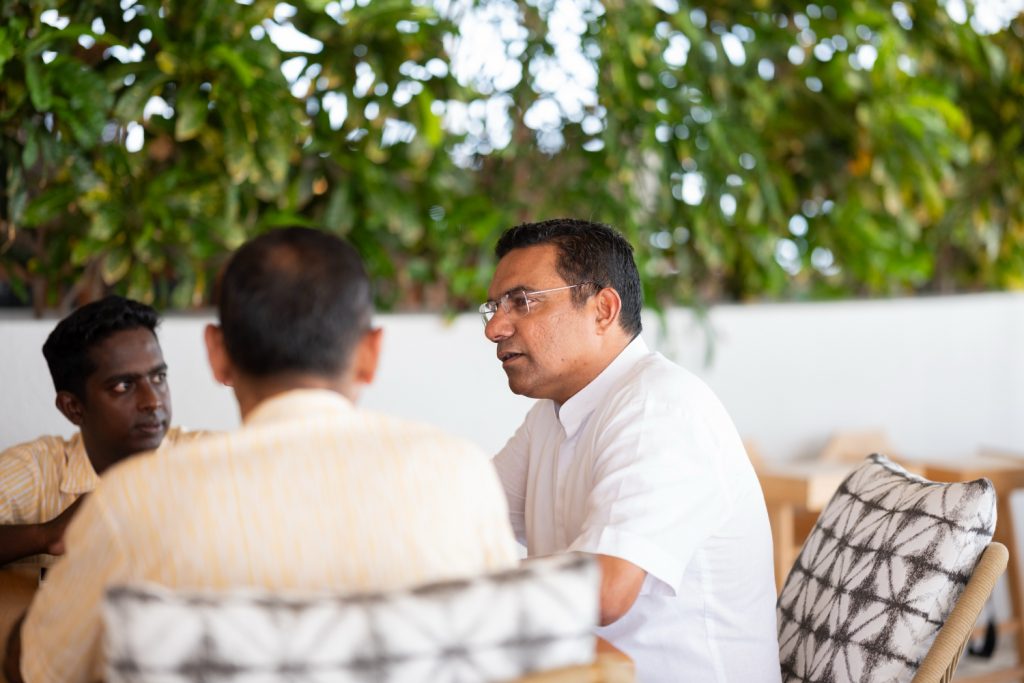
Designing for future maintenance
Engineering also plays a role when Six Senses Kanuhura carries out renovations, infrastructure upgrades or development projects.
The department’s involvement helps ensure that new systems can be operated and maintained after contractors complete their work. This includes considering access to equipment, servicing requirements, spare parts, efficiency and the integration of new installations with the resort’s existing infrastructure.
“Projects and renovations are part of our daily life,” Muraleekrishnan says. “Whenever we undertake a project, we think about future preventive maintenance.”
This means the team does not assess a project only according to how it will appear or perform when completed. It also examines how colleagues will inspect, clean, repair and replace its components over time.
“When we implement a new project or renovation, we look at how preventive maintenance can be carried out easily in the future,” he says.
Early involvement can reduce later complications. Equipment placed without sufficient access may take longer to repair. Materials that are unsuitable for an island environment may require frequent replacement. Systems that are difficult to isolate can turn a minor repair into an operational shutdown.
By raising these considerations during design and implementation, the engineering team helps align project decisions with the realities of long-term resort operations.
Creating celebrations from used materials
The department’s work also extends into the guest-facing elements of the resort’s festive programme.
Lighting and installations must be produced safely, installed across the property and operated within the resort’s energy and sustainability parameters. For the engineering team, the festive period is both a production task and an opportunity to reuse materials.
“Festive lighting is one of the biggest challenges for us every year, but it is also one of our achievements,” Muraleekrishnan says.
During the past two festive seasons, the department has increased its use of recycled and repurposed materials. Existing items are stored and used again, while waste materials are converted into decorations and installations.
Muraleekrishnan recalls that one of the resort’s Christmas trees was constructed using dried coconut husks. Used bottles were converted into souvenirs and tree decorations, while discarded wood from the island was used to make reindeer figures placed around the resort.
“For our Christmas decorations, we looked at using around 80 per cent recycled materials rather than taking new materials,” he says.
The work combines engineering, fabrication and coordination with other teams. Decorations must be able to withstand outdoor conditions, lighting must be installed safely, and materials must be selected and assembled in a way that allows them to be reused.
The result allows the department to support a guest programme while reducing the amount of new material required each year.
A department connected to the resort
Muraleekrishnan describes engineering as the backbone of a hotel. Its work connects with housekeeping, food and beverage, front office, landscaping, spa operations, security and other departments.
A fault reported in one area can have consequences elsewhere. Similarly, maintenance work may need to be scheduled around restaurant service, villa occupancy, guest activities or events.
“Collaboration and cooperation between the core departments are very important,” Muraleekrishnan says. “We conduct weekly meetings, monthly meetings and walk-arounds with them.”
The walk-arounds allow engineering and operational colleagues to inspect facilities together, discuss concerns and agree on action. Regular meetings provide a forum for planning work that may require access, temporary closures or support from several departments.
“We maintain a relationship with every department,” he says. “That makes our work easier and helps us provide a better product.”
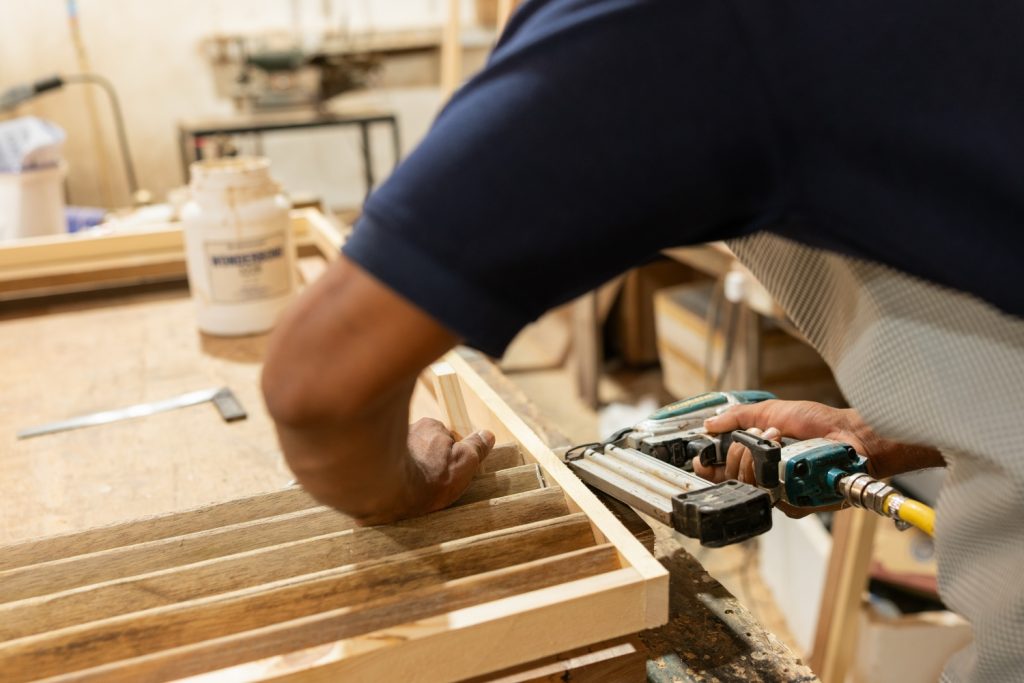
The structure within the engineering team is based on delegated responsibility. Leaders are assigned sections and are authorised to manage the work within those areas.
“Every engineering leader has their own tasks and responsibilities,” Muraleekrishnan says. “They are given the authority to run their sections. That makes the operation more reliable. Trust makes us a stronger department.”
This approach places ownership with the colleagues closest to each system. It also allows decisions to be made without every matter being escalated through the department.
For Muraleekrishnan, accountability and trust are linked. Team members are expected to take responsibility, while leaders must give them the space and authority to do so.
Building technical knowledge through daily work
Training within the department is not limited to classroom sessions or full-day programmes. Muraleekrishnan says learning can be incorporated into the team’s daily routine through short sessions linked to ongoing work.
“Training does not always need to take a whole day,” he says. “It can be part of daily work and may take 15 or 20 minutes.”
These sessions allow the team to discuss equipment, procedures, safety, faults and products entering the market. They can also use a repair or inspection as a practical training opportunity.
“This type of training helps make sure the team understands the products and developments coming into the market,” he says.
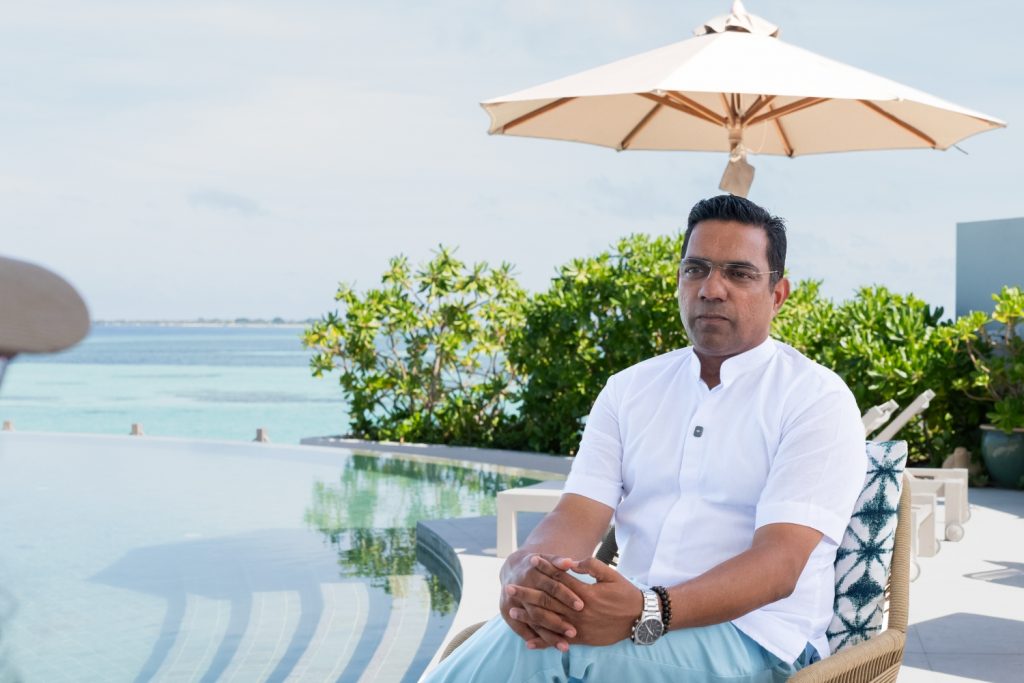
Developing Maldivian colleagues has also been a focus for Muraleekrishnan. During the past two and a half years, he says team members have progressed from line-level roles into supervisory and system-management positions.
“I have been developing local talent within the department, from line colleagues to system manager level,” he says. “That development has made the team stronger and more consistent.”
Internal progression allows technical knowledge to remain within the resort. It also gives colleagues a path to take on responsibility for systems, teams and sections of the operation.
Recognition and responsibility
The Engineering Team of the Year award has given the department a point from which to assess its work and set its next priorities.
Muraleekrishnan says the recognition has raised morale, particularly because the team was judged alongside engineering departments from resorts across the Maldives.
“This award has boosted the morale of my team,” he says. “Being nominated as one of the leading resort engineering departments in the country was already a proud moment for us.”
The team now plans to continue working on solutions that support sustainability, operational reliability and the resort’s business requirements.
“We will continue looking at every part of the operation and working with sustainable solutions in the coming years,” Muraleekrishnan says. “That will help make the property stronger and support the business.”
Wellness is also treated as part of the department’s performance. Muraleekrishnan says colleagues receive their weekly days off and are encouraged to take part in the resort’s wellness activities.
“We make sure the team receives its days off each week, which helps them return stronger and contribute to their daily work,” he says. “Participation in weekly wellness activities is also one of our core practices, and the team follows it.”
At Six Senses Kanuhura, engineering is measured through more than the absence of breakdowns. It is found in the planning that prevents disruption, the repair completed during a narrow operating window, the water saved after a leak is traced, the reused material turned into a festive installation and the colleague trained to take charge of a system.
The award places attention on a department whose work often remains behind walls, beneath walkways and inside plant rooms. For Muraleekrishnan and his team, it also reinforces the principle that guides their operation: plan each task, understand its effect on the resort and consider how today’s solution will perform in the years ahead.