



Fathimath Umar: Shaping Maldivian hospitality through food, teaching and leadership
In every industry, there are professionals whose careers extend beyond their own job titles. They help build people, raise standards and widen the path for those who come after them. In Maldivian hospitality, Fathimath Umar is one of those figures.
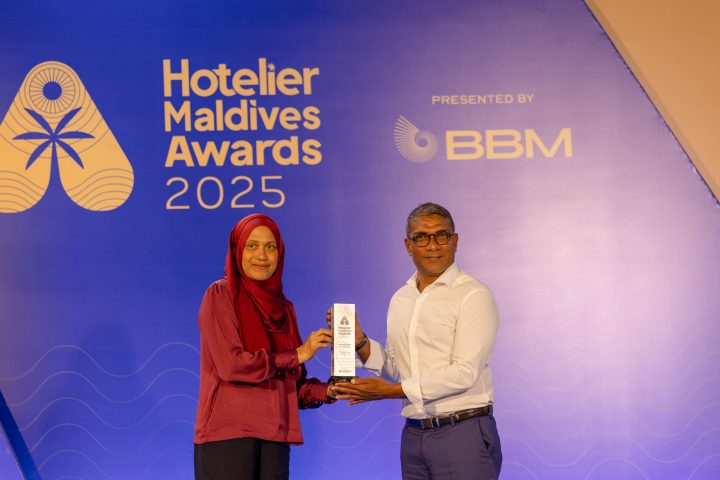
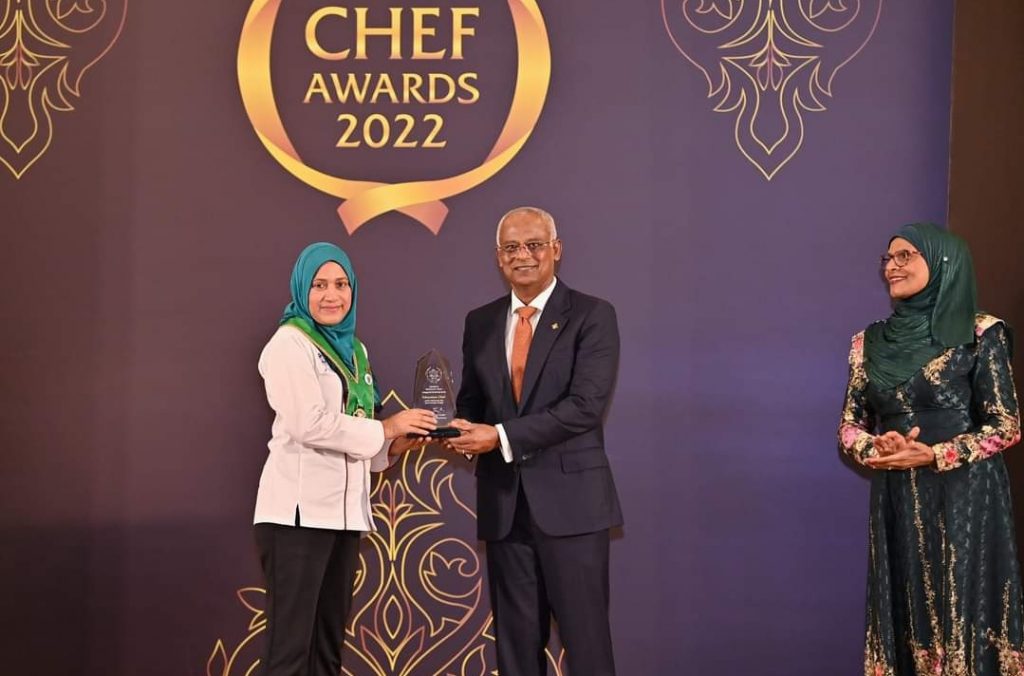
Known to many across the industry as Chef Fathun, she has spent decades contributing to hospitality in ways that stretch far beyond the kitchen. Her career has moved through resort operations, culinary practice, hotel management, higher education and professional judging, giving her a perspective that few in the industry can match. Today, as Senior Lecturer in Culinary Arts at Villa College and an executive chef, she remains deeply involved in developing the next generation of Maldivian hospitality professionals. Her service on the judging panels of the Hotelier Maldives Awards in both 2025 and 2026 is a continuation of that wider contribution to the industry. In 2024, that contribution was recognised nationally when she received the National Award of Recognition in the culinary arts sector for her efforts to train and develop technical professionals.
Now that the Hotelier Maldives Awards 2026 has concluded, it is fitting to look more closely at Fathun’s journey, not simply because she has helped assess excellence in the industry, but because her own career reflects many of the same qualities the awards are designed to recognise: commitment, growth, service, technical knowledge and an investment in people.
What makes Fathun’s story especially compelling is that her path was never confined to one lane. She did not begin in the kitchen, nor did she arrive in leadership through a conventional route. Instead, her career developed through persistence, curiosity and a willingness to keep learning, even when the path ahead was not always clear.
In an interview with Hotelier Maldives, Fathun recalled that when she was younger, she had other ambitions in mind. “I was not ready for a job by the time I finished my secondary education. I was simply not done with studies, either,” she said. “Hotel School was recently opened at the time, and since I always had a love for the culinary arts, it sounded like a good choice.”
That decision would shape the course of her professional life.
After completing her certificate in General Hotel Services, Fathun entered the tourism industry through Bandos Maldives, where she began not in food production, but in front office operations. It was an important start. Working at the front desk placed her at the centre of the guest experience and gave her an early understanding of how hospitality works as a complete system rather than a single department.
But those early years also came with challenges. Resort work in the Maldives was far less accessible to women then than it is today, and Fathun belonged to a generation that entered the industry when female representation was still limited. Looking back on that period, she said, “Only a handful of women were working in the hospitality industry back in the day.” She added: “It was very challenging, especially since I was the only female working in Bandos at the time.”
Those comments offer more than a glimpse into her early working life. They place her among the Maldivian women who entered hospitality at a time when the industry was still defining who belonged within it. That matters, because careers like hers helped change expectations. They helped make it possible for more women to see hospitality, and particularly culinary arts, as a serious long-term profession.
Her early career then took a pause after marriage, when social expectations made resort-based work difficult to continue. Fathun explained, “At the time, it was not fitting for a newly-wed to be working away from home. But that was not to be the end of my career in hospitality.”
It was not the end. It was a turning point.
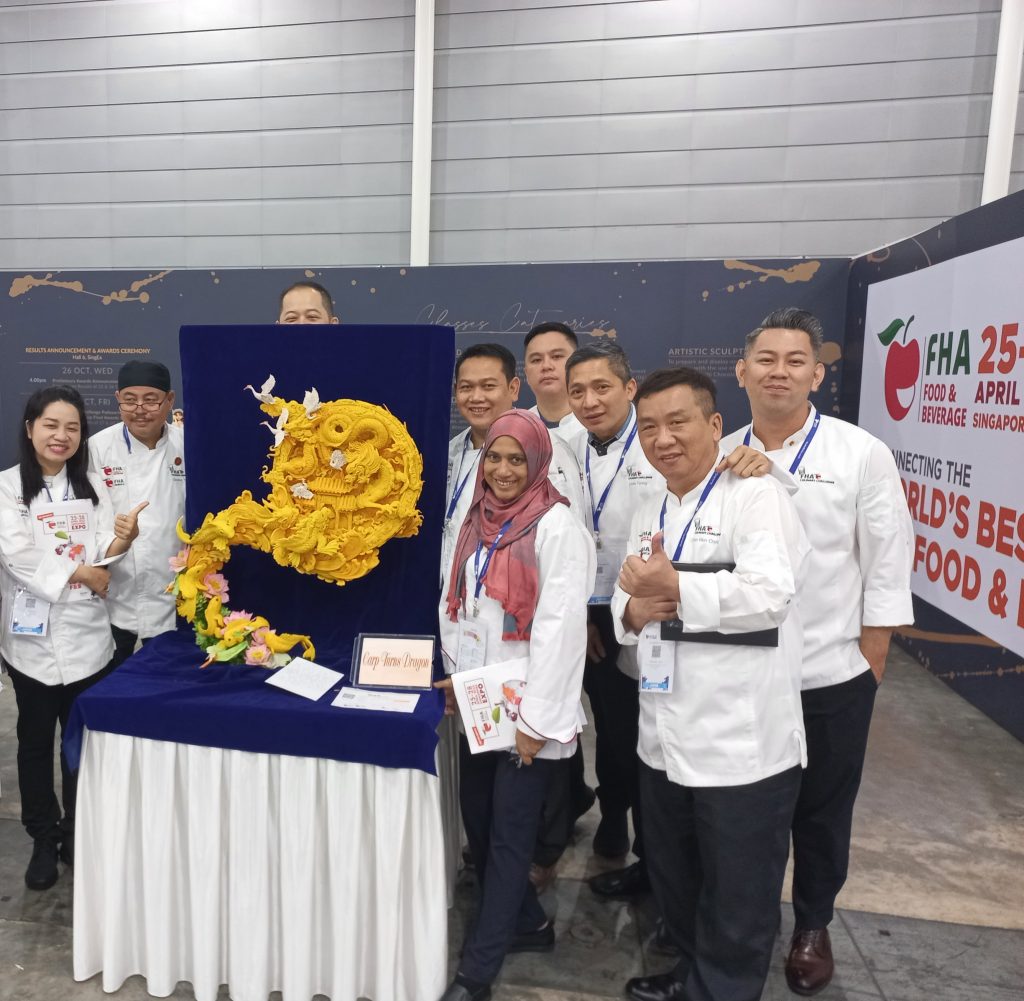
Back in Malé, she worked in reservations at Sunland Travels, expanding her understanding of hospitality from another angle. Later, while raising her children, she began a home-based catering business focused on children’s birthday parties. That stage of her career may appear modest compared with later leadership roles, but it speaks to something essential in Fathun’s professional identity: she kept building, even when she was outside the formal structures of resort employment.
Her return to the kitchen came into sharper focus in the early 2000s. She explained that from 2003 to 2005 she worked at Nasandhura Palace Hotel (now Barceló Nasandhura Malé), first as a commis chef and later as junior sous chef. She described the experience as formative, noting that the hotel was then one of the Maldives’ main venues for large events and that working there gave her valuable experience not only in cooking, but also in managing teams.
This period helped establish the practical backbone of her culinary career. It grounded her in production, pressure, teamwork and discipline, all of which remain central to professional kitchen work. It also laid the groundwork for what would become one of the defining features of her career: the ability to combine operational know-how with academic and professional development.
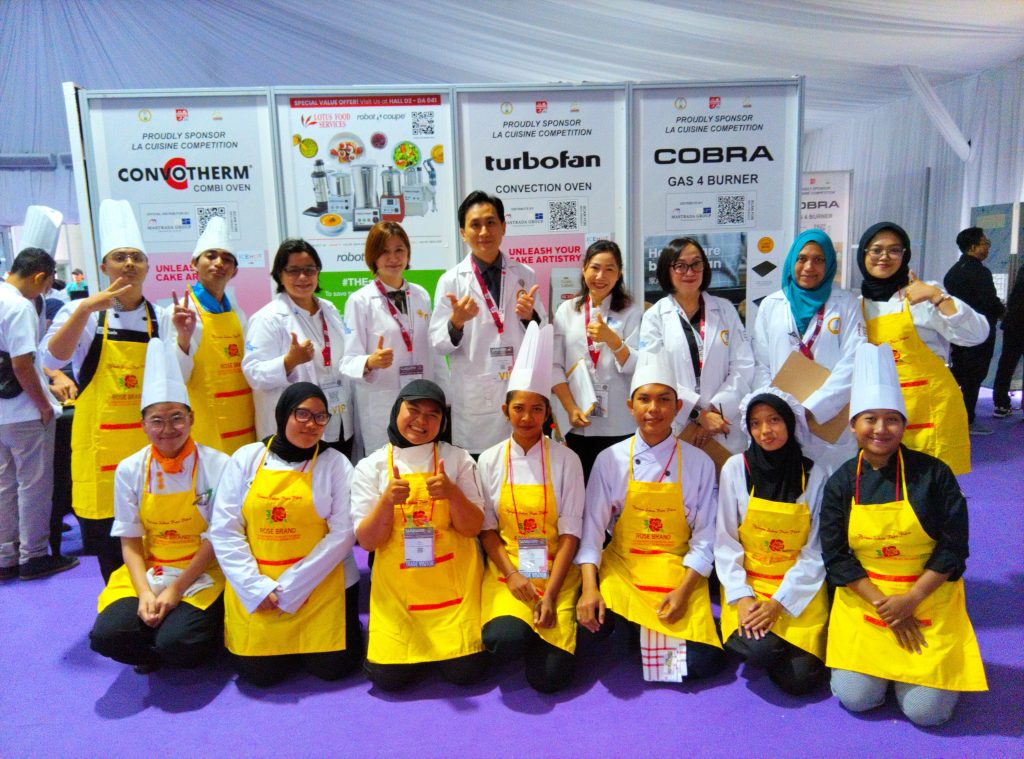
Fathun has always spoken about food with clarity and conviction. In the Hotelier Maldives interview, she said, “I love cooking, and everything to do with the kitchen. And I wanted to explore new things as a foodie. But I also wanted to study further. To be a good chef, one must work hard, and continue to learn.”
That commitment to continued learning became a major force in her career. Rather than remaining within the boundaries of local experience alone, she pursued higher education abroad while continuing to strengthen her practical foundation. She described a period that marked a major shift in her professional development: “A turning point came when I was offered a teaching position at the Faculty of Hospitality and Tourism Studies (FHTS). Around the same time, I pursued higher education abroad, earning my Higher Diploma in Culinary Arts in Switzerland and later a Bachelor’s degree in Hospitality and Culinary Arts in Manchester, UK. Even while studying, I made sure to gain practical experience by working in 3-star rosette fine dining restaurants including a Michelin-starred restaurant in Oxford.”
That progression is better understood not simply as a list of qualifications, but as the shaping of a professional philosophy. Fathun did not separate theory from practice. She studied while working. She trained while teaching. She built expertise in formal academic settings while also gaining exposure to demanding restaurant environments abroad. The result is a professional profile rooted in both discipline and range.
Her academic path also continued beyond those early overseas qualifications. Hotelier Maldives reported that she later completed a Master’s in International Hotel and Tourism Management at Oxford Brookes University, strengthening the management and strategic side of her hospitality background. The same profile also noted that she played a key role in designing programmes at the Faculty of Hospitality and Tourism Studies, including undergraduate offerings in culinary arts.
After completing her master’s, Fathun returned to resort operations and moved into senior management. She served as F&B Manager at Bandos Maldives, providing strategic direction to the department and overseeing its contribution to guest experience, operational standards and the resort’s performance. Yet her strongest pull remained the kitchen. She later joined Royal Island Resort & Spa as Executive Chef, becoming the first Maldivian woman to hold an executive chef position. The role placed her at the head of a resort culinary operation, with responsibility for guest satisfaction, team leadership, staff training, quality control and budget management.
These roles demonstrated that higher education had not taken her away from resort operations; it had expanded her capacity to lead them. Her progression from front office and kitchen posts to food and beverage management and executive culinary leadership also marked an important milestone for Maldivian women seeking senior careers in hospitality.
That contribution to education is central to understanding Fathun’s place in the industry. Many hospitality professionals build strong individual careers. Fewer help shape the systems that will produce future talent. Fathun has done both.
In her own words, teaching grew out of both passion and purpose. About how she entered the academic field, she said she had seen very few Maldivians working in culinary roles when she first joined the industry, and wanted to help change that by nurturing local talent and encouraging more young people to pursue the profession. She said that watching Maldivian students succeed in the field has been one of the most rewarding parts of her work.
That sense of responsibility runs through her career. She is not simply interested in culinary arts as a craft; she is invested in who gets to build a future within it. She said, “I love training and developing people. I would love to see more locals working in the tourism industry.” She also noted with pride that more women were studying culinary arts, including at established institutions abroad.
Those remarks are particularly relevant today. As Maldivian tourism continues to expand and diversify, the development of local talent remains one of the sector’s most important long-term priorities. Fathun’s career has addressed that need directly, through teaching, curriculum development and mentorship.
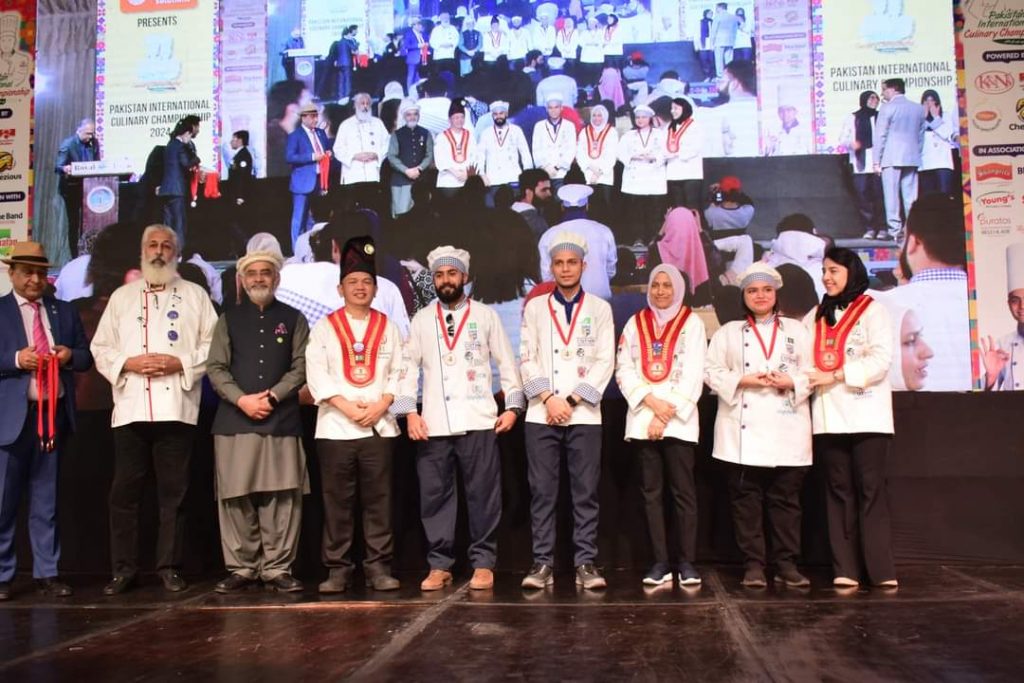
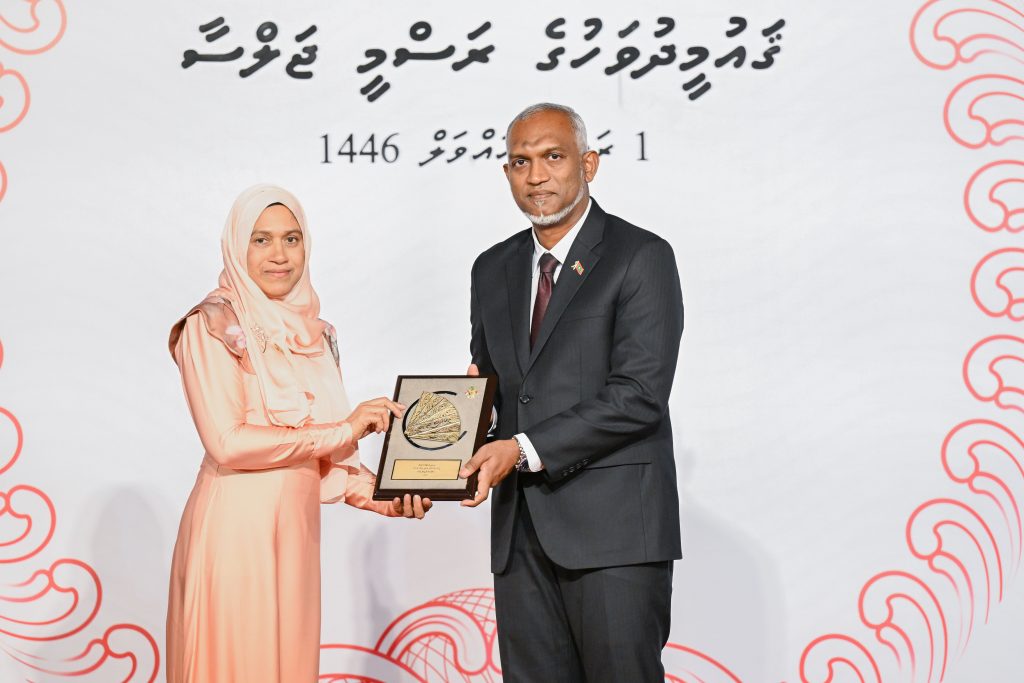
Her contribution was formally recognised on 4 September 2024, when President Dr Mohamed Muizzu conferred on her the National Award of Recognition in the culinary arts sector for her efforts to train and develop technical professionals. The honour acknowledged the reach of her work across classrooms, kitchens and professional development, as well as the role she has played in preparing Maldivians to take up technical and leadership positions in hospitality.
Her move to Villa College added another significant chapter to that work. She said, “Later I moved on to work again at the Faculty of Hospitality and Tourism Studies. Then, I joined Villa College as a senior lecturer to establish a culinary programme there.”
That sentence may be brief, but its implications are substantial. Establishing a culinary programme is not just about teaching classes. It means helping to create an academic structure, define standards, guide students and connect education to real industry needs. In a country where hospitality is central to the economy, that kind of contribution carries long-term value.
Fathun’s influence also extends to how Maldivian cuisine itself is understood. She made clear that her favourite cuisine remains Maldivian food and spoke about the need to present it more authentically within the tourism sector. She argued that local cuisine is not always presented in its true form, particularly in resorts, and that while presentation may evolve, the taste should remain rooted in its origins.
That view reflects another important side of her contribution. She is not only concerned with culinary standards in an international sense; she is also concerned with cultural integrity. In a destination where food can be a powerful expression of place, her advocacy for authentic Maldivian cuisine speaks to a broader hospitality question: how can the Maldives strengthen its identity through what it serves?
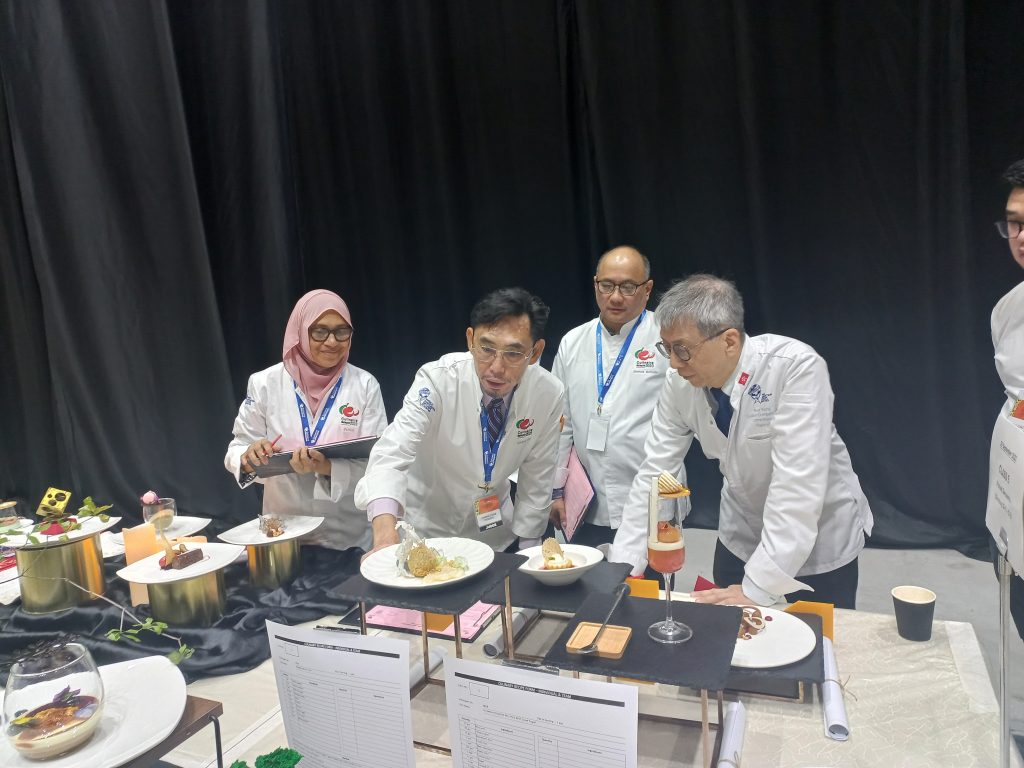
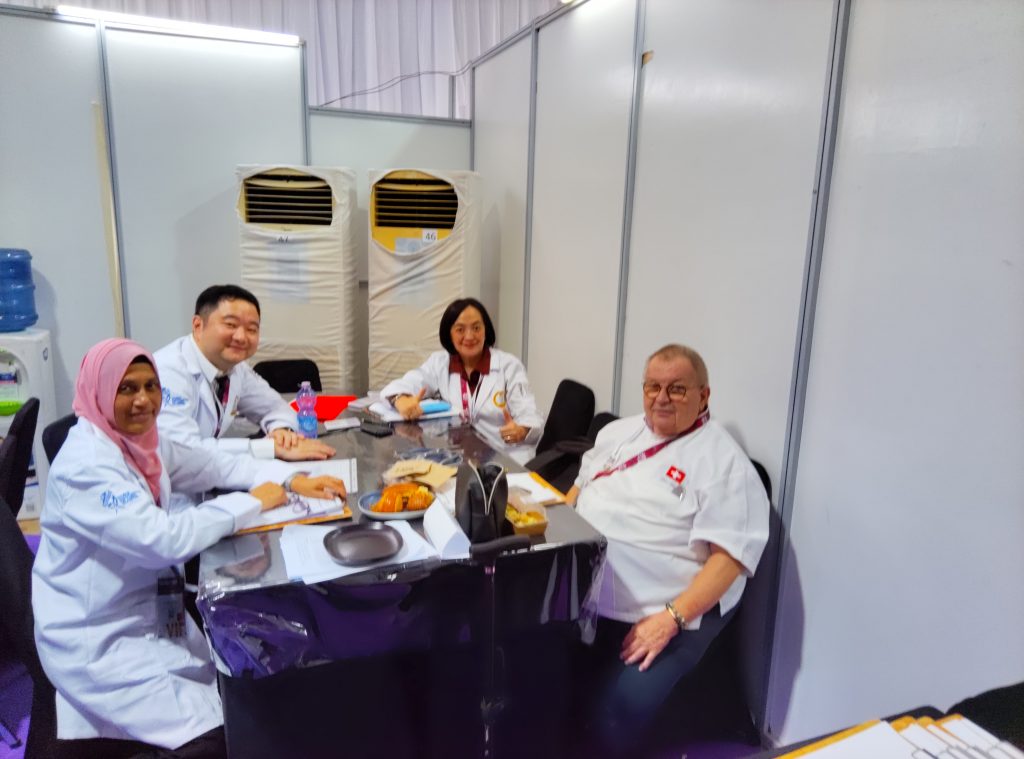
Professionally, Fathun’s standing is reinforced by her work as a judge and evaluator. She is a World Chef-certified judge in both culinary arts and pastry arts, underlining the professional trust placed in her technical judgement. Hotelier Maldives has also referred to her as part of the industry’s leadership ecosystem through her role in culinary education and professional assessment.
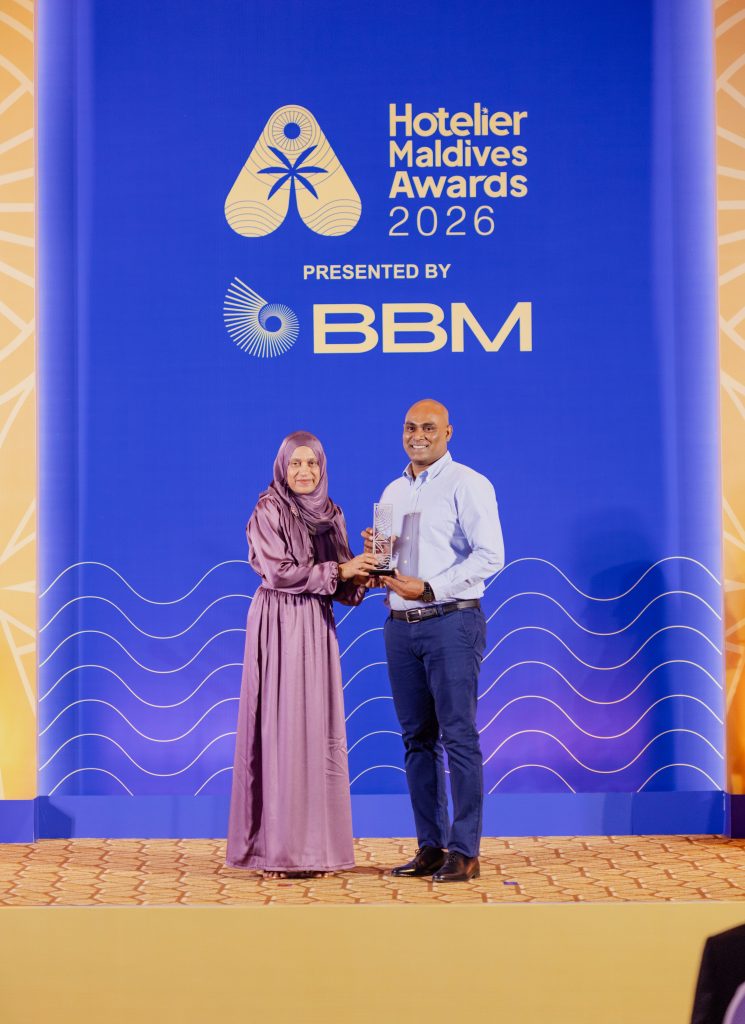
That makes her role in the Hotelier Maldives Awards especially fitting. She served on the judging panel for the 2025 edition, where she was identified as a senior lecturer in culinary arts at Villa College and executive chef. She returned again for the 2026 awards, with Hotelier Maldives noting that she was among the judges bringing expertise in culinary arts and broader hospitality practice. The 2026 panel was described as a multidisciplinary group with experience across hospitality operations, leadership development, culinary arts, destination marketing and industry media.
Her contribution to the awards goes beyond the symbolic value of being named on the panel. Awards programmes depend on credibility, and credibility depends on judges who understand skill, performance, consistency and professional growth. Fathun brings all of those lenses. She has worked in operations. She has led kitchens. She has studied internationally. She has designed programmes and trained students. She understands excellence not as an abstract concept, but as something built through effort and sustained over time.
That perspective is also reflected in the advice she gives to younger chefs. She emphasised that culinary arts demand discipline and patience, and that success in the field depends on both formal education and practical training. It is a grounded view, shaped by experience rather than glamour.
Perhaps that is what makes Fathimath Fathun such a compelling profile subject after the Hotelier Maldives Awards 2026. She represents not only achievement, but substance. She has helped expand opportunities for women, supported the training of Maldivian talent, led resort food and beverage and culinary operations, strengthened culinary education and contributed her expertise to one of the country’s leading platforms for recognising resort professionals. Her National Award of Recognition reflects the wider value of that contribution to the industry.
In many ways, her career tells a larger story about the Maldivian hospitality industry itself: how it has grown, professionalised and become more ambitious over time. But it also shows that progress depends on individuals who are willing to learn continuously, lead quietly and invest in others.
Fathimath Umar has done that across decades. Through food, through teaching and through service to the industry, she has helped shape the people and standards that continue to move Maldivian hospitality forward.