




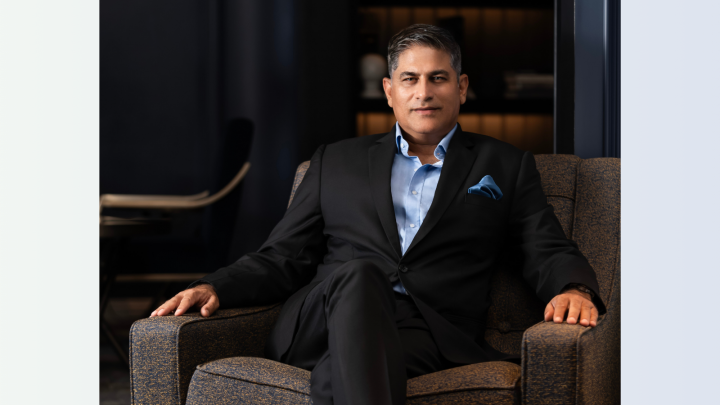
Business of island hospitality: Ventive Hospitality’s Ranjit Batra on managing resort assets in Maldives
For a hotel owner, the Maldives presents a particular equation. A resort is not simply a collection of rooms supported by restaurants, a spa and recreational facilities. On an island, the owner is responsible for an operating environment that includes power generation, water production, waste management, marine ecosystems, staff infrastructure, transport and logistics, alongside the hospitality product that guests see.
It is this wider view of resort ownership that shapes Ventive Hospitality’s approach to the Maldives.
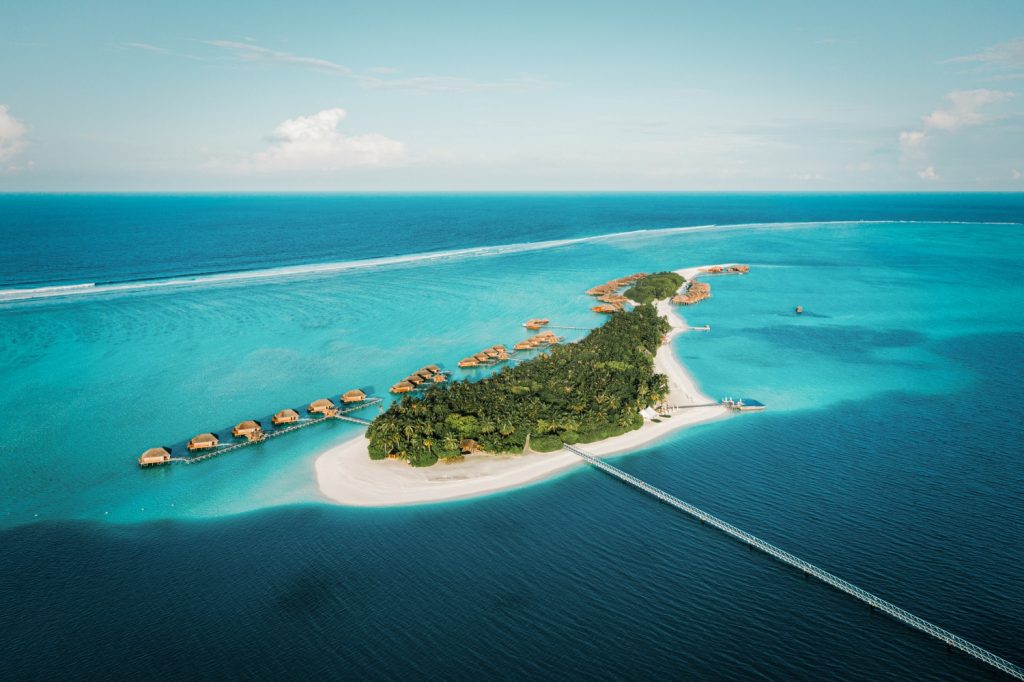
The hospitality platform has interests in three distinct resort propositions in the country: Conrad Maldives Rangali Island, the connected Anantara Maldives portfolio of Anantara Dhigu Maldives Resort, Anantara Veli Maldives Resort and Naladhu Private Island Maldives, and RAAYA by Atmosphere.
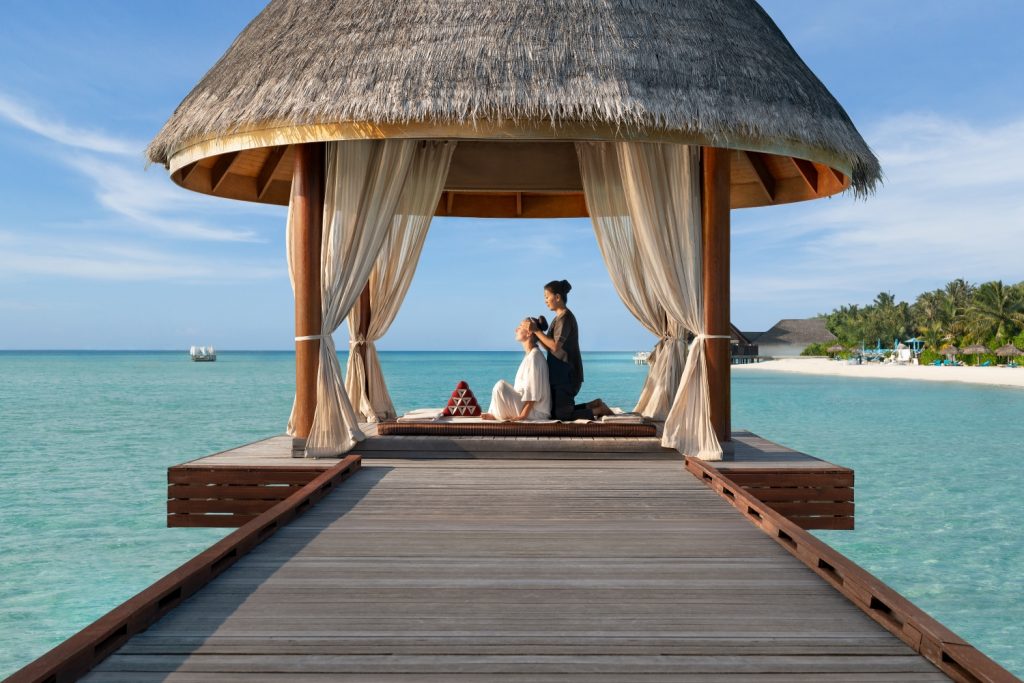
Together, the properties account for approximately 23 per cent of Ventive Hospitality’s hotel inventory. Yet Chief Executive Officer Ranjit Batra says the Maldives carries a significance within the company that goes beyond room count.
“The Maldives represents approximately 23% of our hotel inventory and holds a much larger strategic role within Ventive,” Batra says. “The country sits at the highest end of global resort hospitality and has been one of our strongest operating markets.”
That importance is reflected in how Ventive views an island resort as an investment. While accommodation establishes the room rate, Batra points to dining, wellness, marine activities and private experiences as components that deepen the economics of the guest stay. At the same time, every island requires its own infrastructure, logistics, workforce ecosystem and environmental management.
For Ventive, therefore, value creation is not limited to adding inventory. It is about maintaining relevance in assets that can take years to establish.
“Scarcity in the Maldives sits in established resorts with recognised brands, functioning infrastructure and proven guest demand,” Batra says. “These assets take years to create and longer to establish.”
Three properties, three positions
Ventive’s Maldives portfolio is notable for the differences between its assets rather than their similarities.
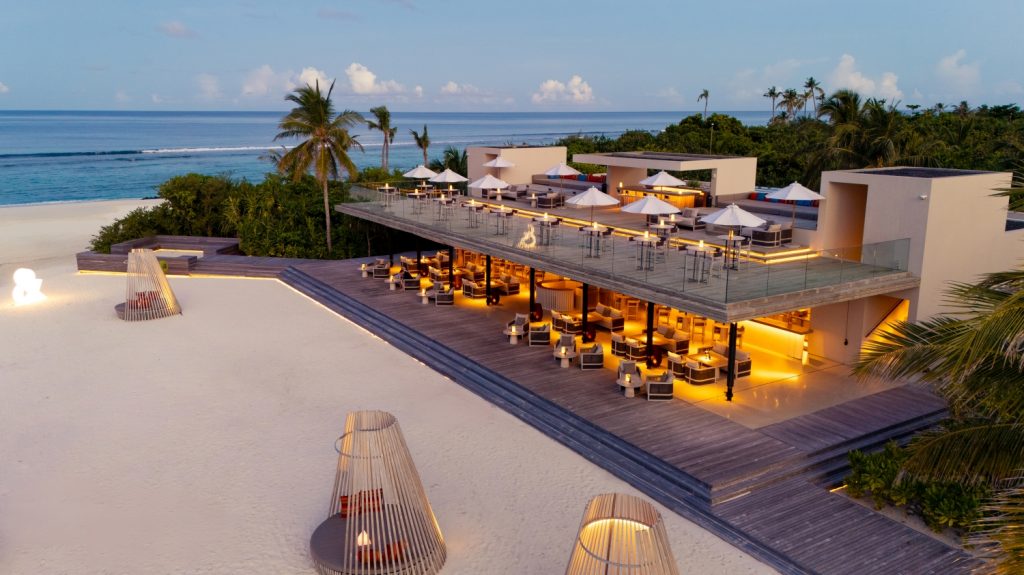
Conrad Maldives Rangali Island represents an established international luxury resort with a history of introducing concepts that became known beyond the destination. Ithaa Undersea Restaurant established underwater dining as part of the Maldives’ hospitality vocabulary, while The Muraka extended that idea into accommodation with an underwater bedroom.
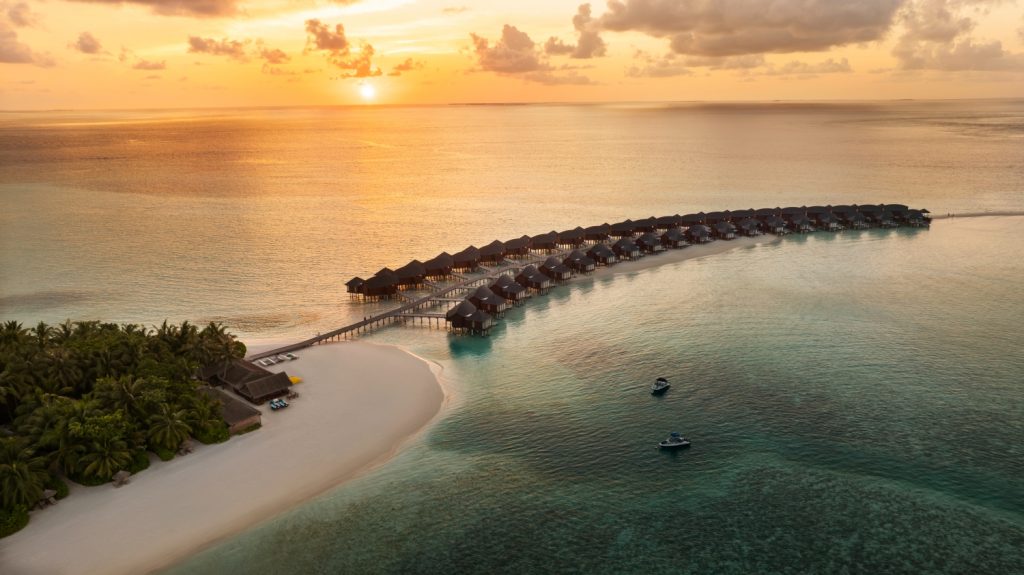
The Anantara portfolio follows another structure. Anantara Dhigu, Anantara Veli and Naladhu operate within a connected lagoon but serve different guest profiles. Dhigu focuses on families and multi-generational travel, Veli has an adults-oriented proposition built around couples, wellness and dining, while Naladhu operates at the private-island end of the market with personalised service through its Kuwaanu house masters.
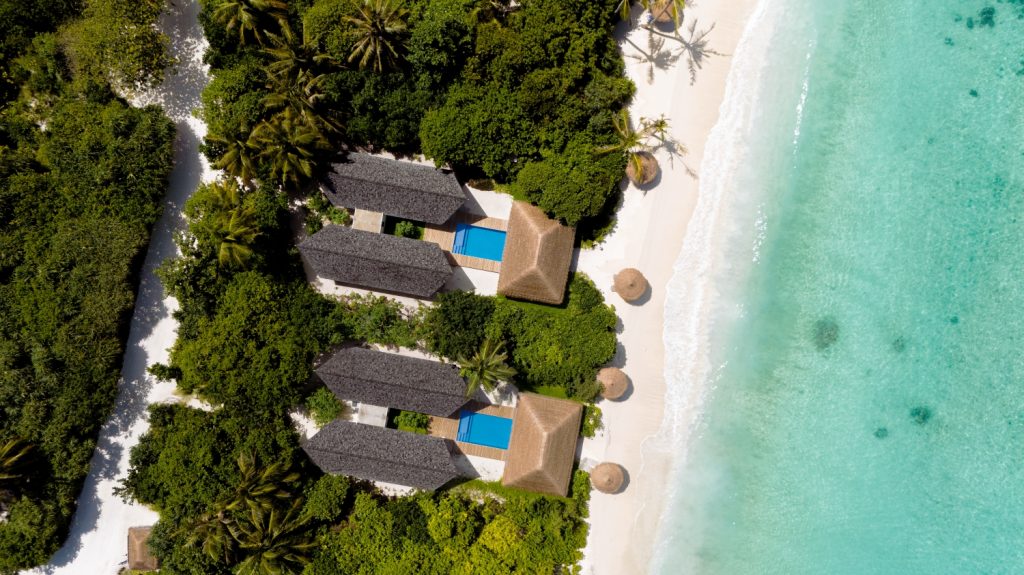
RAAYA, meanwhile, represents Ventive’s experience of taking a Maldives resort from development concept through to operation. Built across a 100-acre natural island, its positioning centres on premium all-inclusive hospitality supported by activities, dining, sport, art, wellness and family experiences.
Maintaining these different propositions is intentional.
“The portfolio covers distinct expressions of luxury, each with a globally recognised position in the market,” Batra says.
For an owner, that differentiation has implications far beyond branding. It determines what gets built, where capital is deployed, which operator is selected, how staff are trained and which guest markets are targeted.
The owner behind the operator
International hotel brands are the most visible names attached to many resort properties. The role of the owner can be less apparent to the guest, even though ownership decisions can determine the direction of a resort over decades.
Batra describes Ventive’s role in direct terms.
“Ventive sets the asset strategy and stays close to its execution.”
That responsibility includes operator selection, capital allocation, positioning, lifecycle planning and commercial direction. But Ventive also evaluates factors that are less commonly associated with property investment: associate retention, training, employee infrastructure, guest satisfaction and the quality of resort leadership.
This reflects a central principle in Batra’s view of hospitality assets: physical investment cannot be separated from the people who operate the property.
“Service culture begins with the associate experience,” he says. “Motivated teams deliver more intuitive service, protect brand standards and build guest loyalty.”
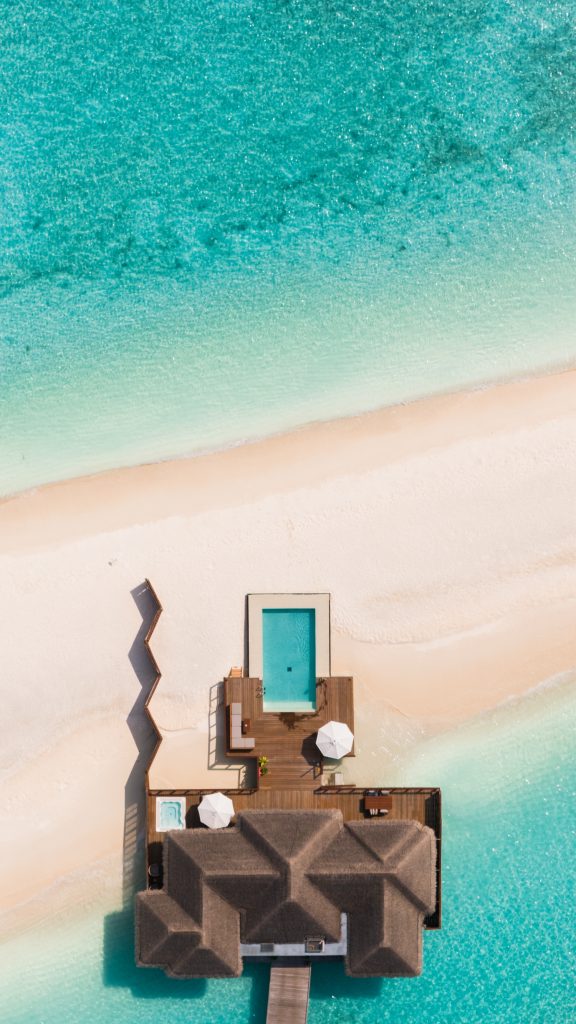
For an island resort, Batra extends that assessment further. Reef health, water management, waste and energy performance sit within Ventive’s asset reviews because each can influence both the guest experience and the long-term viability of the property.
“Hands-on ownership means understanding what the associate, guest and operator encounter every day. Capital decisions follow that understanding.”
Ventive is backed by Panchshil Realty and Blackstone, an ownership structure which Batra says combines experience in hospitality development and design with institutional investment discipline. That allows the company to consider where a property sits within its lifecycle rather than treating capital expenditure as a series of isolated projects.
RAAYA illustrates the development side of that approach. At established resorts, the same principle is applied through renewal. Batra says continued investment at Conrad is intended to protect the position of an established property, while capital allocation across the Anantara portfolio supports the separate identities of Dhigu, Veli and Naladhu.
Matching the operator to the asset
Ventive works with three major hospitality operators in the Maldives: Hilton through Conrad, Minor Hotels through Anantara and Atmosphere Core at RAAYA.
Rather than beginning with a preferred operator and developing a resort around that brand, Batra says the process starts with the position intended for the property.
Conrad requires an international luxury platform capable of supporting its heritage, pricing and global market reach. The Anantara portfolio requires operational knowledge spanning family hospitality, adults-only experiences and private-island service. RAAYA calls for expertise in premium all-inclusive operations.
Ventive then establishes ownership priorities covering source markets, distribution, total guest revenue, investment, associate culture and environmental performance.
“We expect capital proposals to show a clear impact on the guest experience or the long-term quality of the asset,” Batra says. “Brand standards also need commercial relevance at the property level.”
That relationship between owner and operator becomes particularly important as resorts mature.
At Conrad Maldives Rangali Island, for example, Batra argues that renewal must be continuous rather than episodic.
“Established resorts lose relevance when renewal becomes episodic,” he says.
Innovation, however, does not mean introducing new concepts simply for novelty. Batra believes ideas have greater longevity when they arise from the physical setting and identity of the resort.
“Innovation must carry a clear connection to place. Concepts rooted in the ocean, the island and the character of the resort retain meaning. Novelty has a short commercial life.”
His next observation is particularly revealing of Ventive’s approach to Maldives ownership: Conrad’s house reef, he says, deserves the same ownership attention as a signature residence or restaurant.
The reef is simultaneously part of the resort experience, an environmental system and an asset influencing whether guests choose to return.
One lagoon, different guest experiences
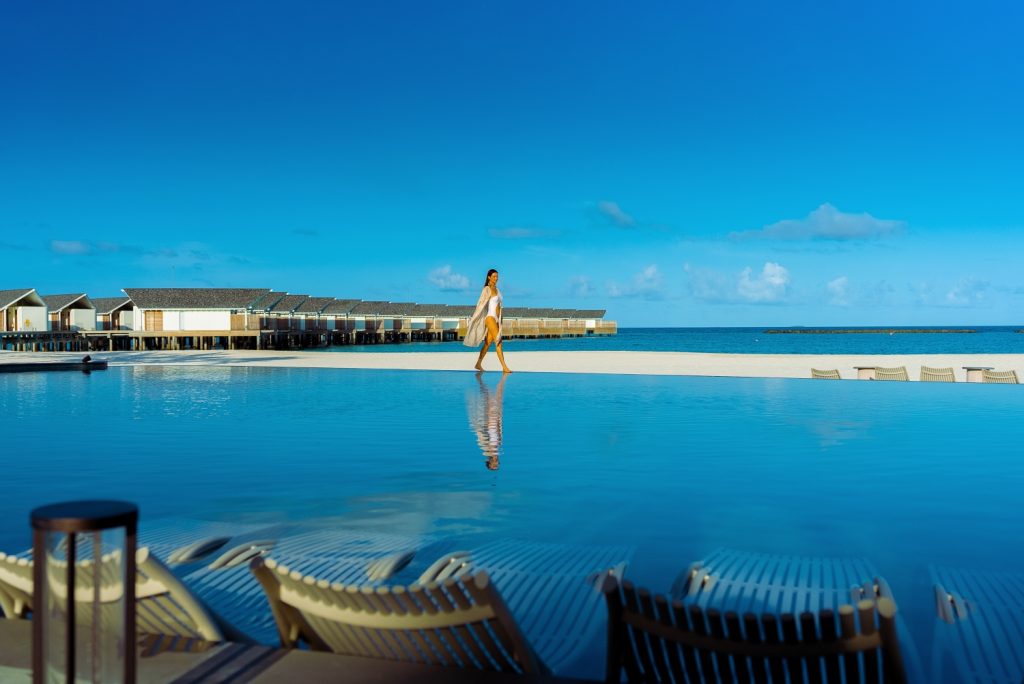
The Anantara Maldives portfolio presents another ownership challenge: how to benefit from scale while protecting the individual character of three neighbouring properties.
The connected model creates efficiencies. Training can operate across a larger workforce. Engineering and environmental programmes can draw on shared expertise. Commercial teams can address a broader pool of demand ranging from families to couples and private-island travellers. Guest relationships can also continue across different stages and occasions of travel.
The cluster gives specialist experiences — including chef residencies, wellness practitioners and marine programmes — access to a wider audience.
Yet Batra cautions against allowing operational integration to erase differentiation.
“Culture cannot be transferred wholesale across the cluster. Each team must understand the emotional promise of its own resort.”
Those distinctions affect recruitment, training, language of service, food and beverage and capital investment.
“The cluster works when a guest immediately understands the character of each island through the behaviour of its people and the pace of the experience,” he says.
It is an example of the balance Ventive seeks across its Maldives portfolio: extracting advantages from scale without turning different resorts into versions of the same product.
Building RAAYA around the guest’s day
RAAYA presented Ventive with a different question because the company was involved from the development stage.
According to Batra, the starting point was the island itself. Its scale created room for a resort experience extending beyond accommodation to marine activities, sport, art, dining, wellness and family recreation.
The target was a premium all-inclusive traveller seeking range within a Maldives holiday: families, couples and groups who wanted predictability of expenditure but still placed importance on design, food and beverage and activities.
“The master plan followed the guest’s day,” Batra says.
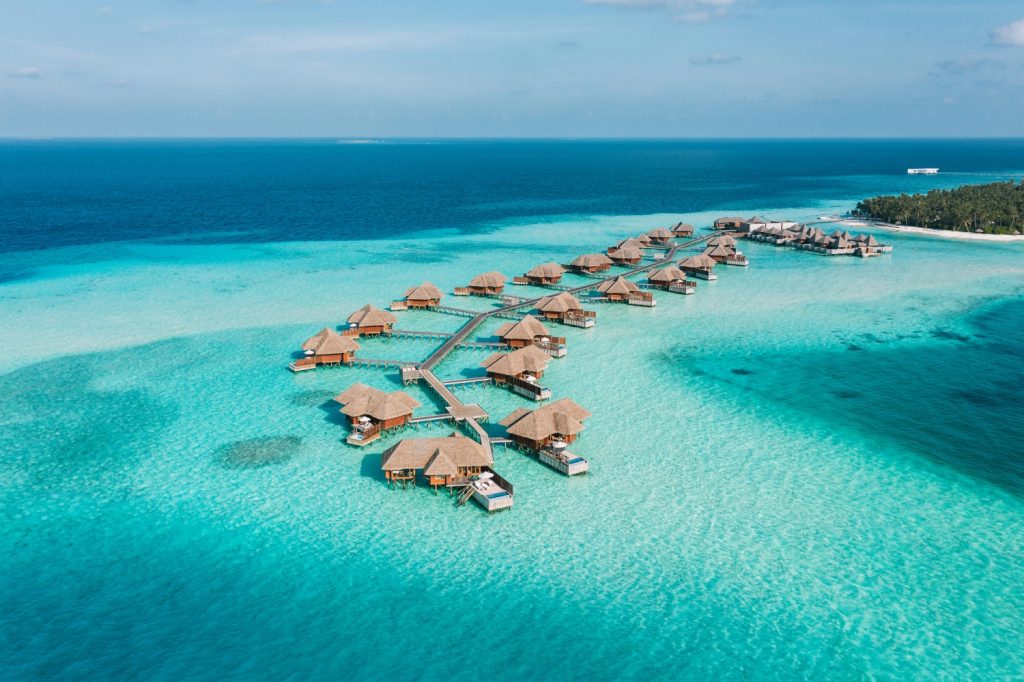
Seb’s Farm introduced a farm-linked dining component, while the art studio, water sports, padel facilities, recreation and Village Square were intended to generate activity outside the villa. RAAYA Residence provides a separate option for guests seeking greater privacy.
The development also illustrates how increasingly specific travel preferences are shaping resort investment.
Batra sees several distinct patterns emerging among Maldives visitors. Ultra-luxury travellers are placing greater value on privacy, control and service. Premium all-inclusive guests want clearer expenditure alongside design and food and beverage. Multi-generational groups require flexible accommodation and programming that can serve different age groups.
Wellness, meanwhile, is moving beyond the spa.
“Guests are seeking support around sleep, nutrition, movement, recovery and mental reset,” Batra says.
Across Ventive’s portfolio, this is reflected in Ayurveda, therapeutic movement, nutrition and sleep programmes at Anantara; spa therapies, hydrotherapy, fitness, yoga and wellness-focused dining at Conrad; and yoga combined with a broader active-island programme at RAAYA.
Looking beyond occupancy
Perhaps the clearest distinction in Ventive’s ownership philosophy can be seen in how it measures performance.
“Room metrics provide an incomplete view of an island resort,” Batra says.
Occupancy, average rates and financial returns remain important, but Ventive examines the complete guest relationship. Dining, diving, wellness, excursions and private experiences are considered alongside length of stay, repeat visits, direct bookings, guest advocacy and the composition of revenue.
Environmental performance is incorporated into the same assessment. Energy consumption, freshwater production, food waste, waste removal and dependence on diesel have consequences for operating costs, infrastructure and risk.
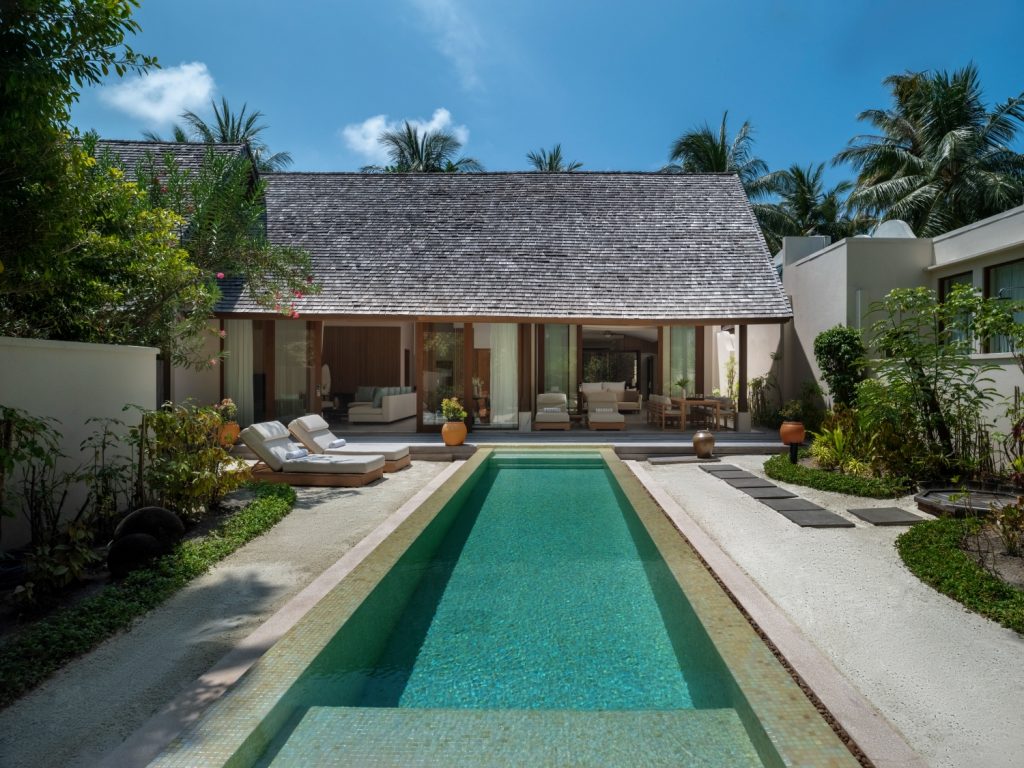
Ventive also considers asset condition, employee retention and reef health as indicators of future performance.
That philosophy turns sustainability from a parallel corporate programme into an operating metric.
At RAAYA, a 693 kW solar installation reduces diesel consumption, while treated wastewater is reused for irrigation, water is bottled on site and compost is channelled to Seb’s Farm.
Across the Anantara cluster, a biogas system can process around 1,000 kilograms of food waste per day, while its Holistic Approach to Reef Protection programme has supported the planting of more than 10,000 coral fragments. Conrad operates a PADI Eco Center supported by coral regeneration, reef research and responsible diving initiatives.
“These are measurable operating systems with direct environmental and commercial value,” Batra says.
Growth before expansion
Ventive’s long-term approach is also evident in what Batra does not identify as the immediate priority: adding more Maldives resorts.
Instead, the company sees further opportunity within the properties already in its portfolio.
RAAYA remains in a phase of brand development and commercial refinement. Conrad requires continuing investment in accommodation, dining and marine experiences. The Anantara portfolio presents further opportunities to sharpen the individual identities of Dhigu, Veli and Naladhu.
“Our immediate Maldives opportunity sits within the assets we already own,” Batra says.
“This is how Ventive approaches growth. Product relevance, guest experience and asset productivity come before additional inventory.”
That position provides an insight into the changing economics of established resort ownership in the Maldives. New supply remains part of the destination’s development, but owning an existing island hospitality asset is itself a continuous process of development.
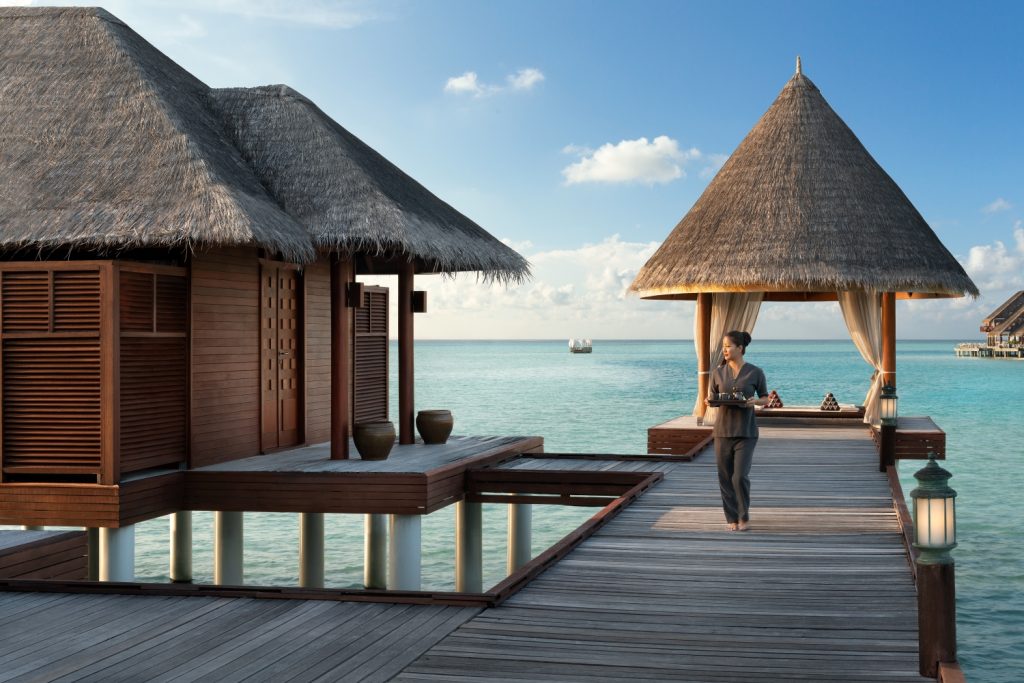
Villas age. Guest expectations change. Source markets shift. Technology moves. Restaurants require reinvention. Employees need reasons to build careers. Energy and water systems affect both costs and resilience. Reefs require protection. An international brand may bring distribution and standards, but an owner must decide when, where and why to invest.
For Ventive, these considerations converge in a model of ownership built around lifecycle rather than transaction.
The Maldives may represent about 23 per cent of its hotel inventory, but Batra’s account suggests that the destination occupies a much larger place in how the company thinks about hospitality investment. Here, the asset extends from the guest villa to the staff facilities, from the restaurant to the power system and from the balance sheet to the house reef.
And in a market where resorts can operate for decades, protecting that complete ecosystem may ultimately determine which properties continue to command relevance long after their opening year.