



Evolution, not revolution: Kuredhivaru prepares for its next chapter as Mondrian Maldives
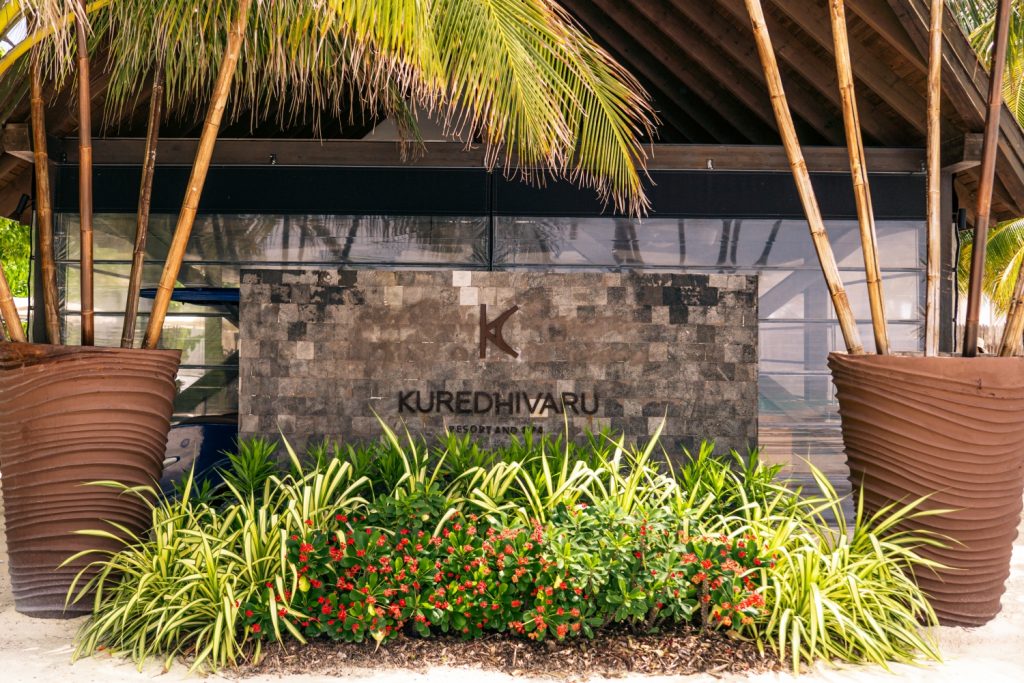
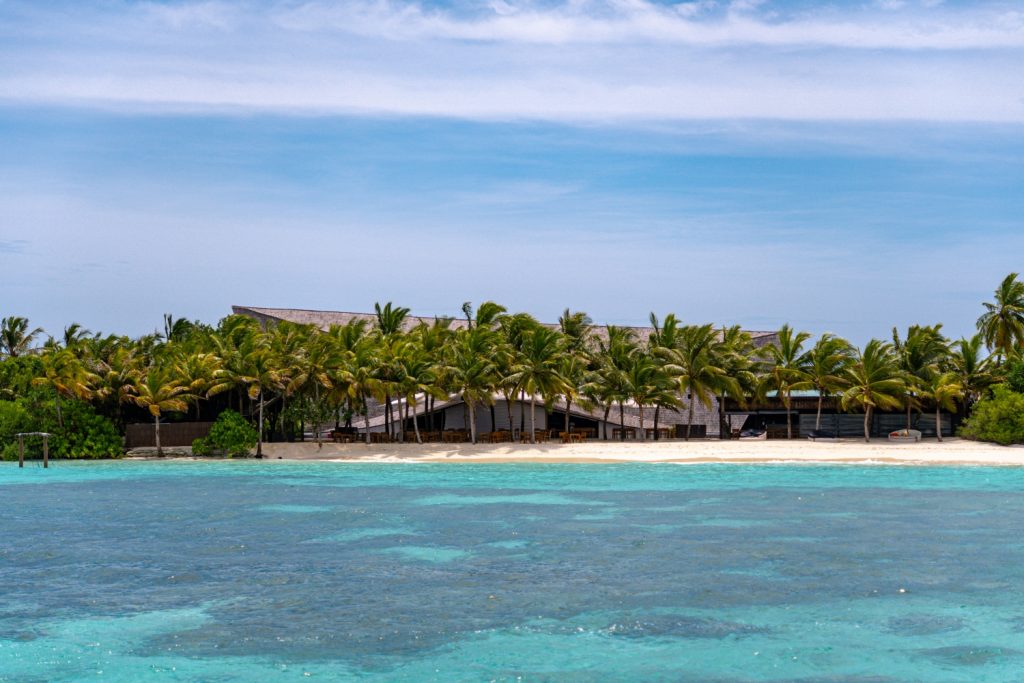
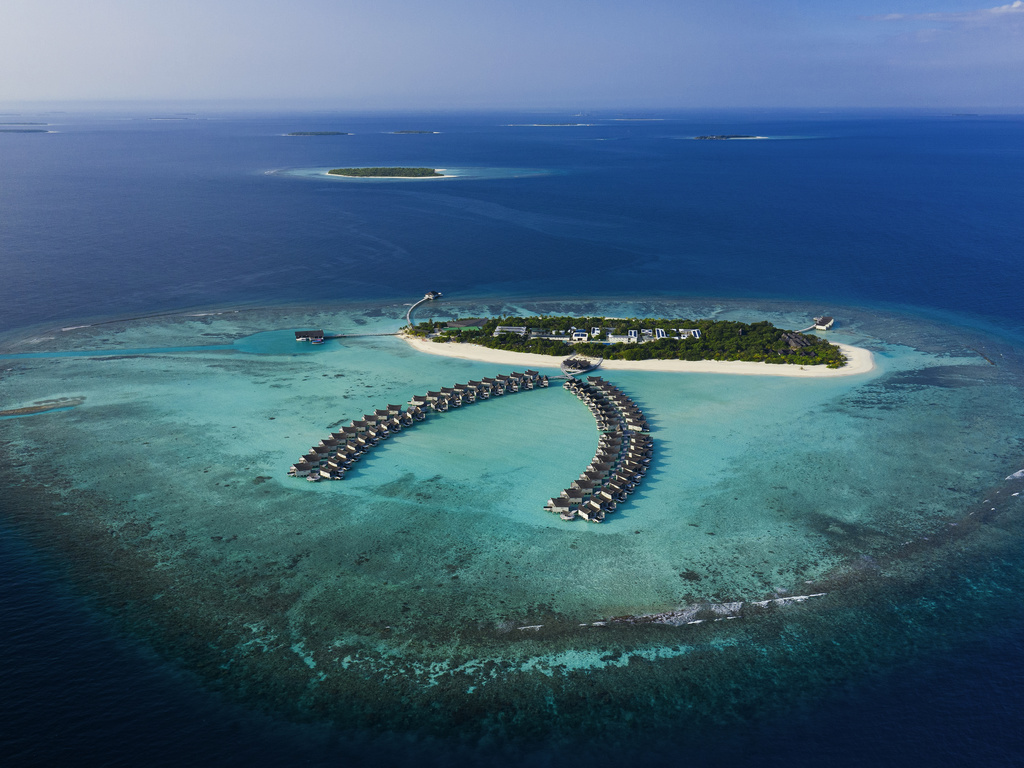
After seven years of building a position in the Maldives resort market, Kuredhivaru Resort & Spa is preparing for a change in identity. The resort will become Mondrian Maldives, bringing the Mondrian lifestyle brand to its private island setting in Noonu Atoll.
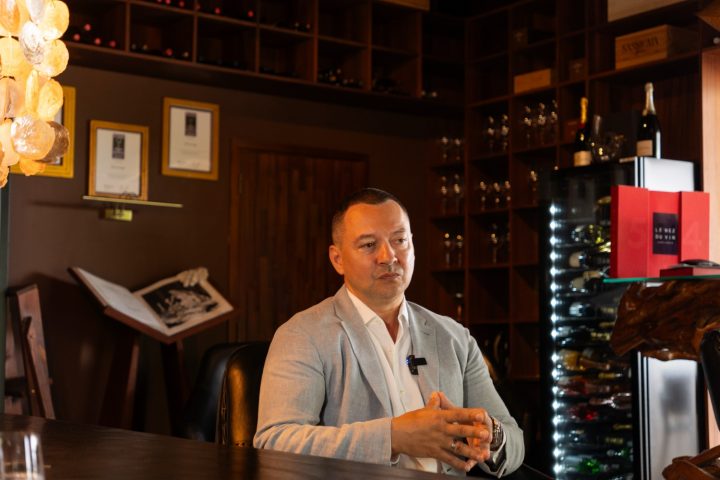
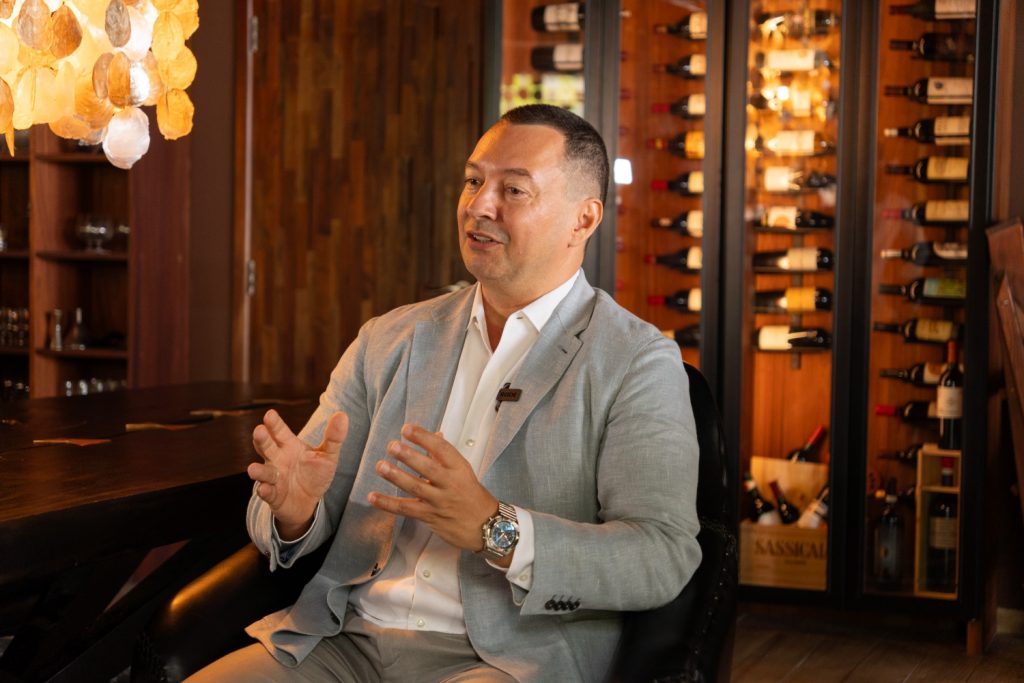
For General Manager Stanislaw Pajdzinski, however, the transition is not about starting again.
“What we’re going to do now with Mondrian, it’s not a revolution, it’s just an evolution,” he says. “It’s the next step.”
That distinction sits at the centre of the resort’s approach to the rebranding. Kuredhivaru already has an established guest base, an operating team, food and beverage concepts, service practices and an understanding of the markets it serves. The task is therefore to introduce Mondrian’s brand identity while retaining the elements that have kept guests returning to the island.
Pajdzinski describes the transformation as giving a name and framework to a direction the resort has already been following.
“It’s putting the right name into what we’ve been doing until now and making also a little bit of a next step towards our guest expectations,” he says.
For a resort undergoing a brand transition, this creates a different operational challenge from launching a property from the ground up. There is already a relationship between the island and its guests. There are expectations attached to Kuredhivaru, and the resort must manage the introduction of Mondrian without disrupting that relationship.
Interpreting Mondrian on a Maldivian island
Mondrian is associated with lifestyle hospitality built around design, art and culture. Translating those ideas to a private island requires the resort to consider how they relate to the setting rather than simply transplanting an urban interpretation of the brand.
Pajdzinski believes the island itself provides the starting point.
“Art for us is not what we hang on the walls, but how we communicate the beauty of our Maldives in every corner, in every touchpoint,” he says.
His interpretation places the natural environment, Maldivian culture and interactions between guests and the resort team within the brand experience.
The ocean, sunrises and sunsets are part of that approach, but Pajdzinski is cautious about reducing Maldivian identity to visual elements. Culture, he argues, should be experienced through people, food, community relationships and activities as much as through design.
“We don’t communicate only Maldivian culture by the sculptures, by the pictures, by what they can see, but what they can feel,” he says.
This includes the resort’s Maldivian team members, whom he describes as ambassadors for the country’s culture, as well as engagement with local artists and trips to nearby islands.
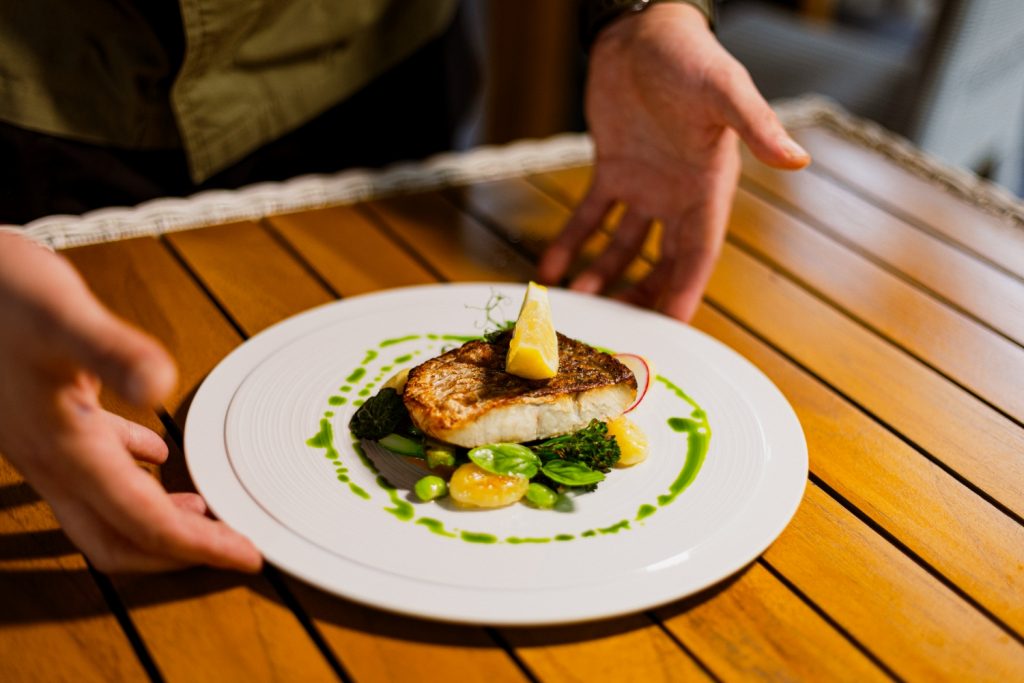
The resort also works with local communities through its supply chain. Pajdzinski says products served to guests are sourced from local fishermen, allowing the culinary operation to connect what is served on the island with communities beyond the resort.
“A lot of our products which we give to our guests are supplied by the local fishermen,” he says. “We work very close with them and we highlight that to our guests. They are aware of it. It’s not imported from some other countries, but it’s rooted in Maldives.”
For Mondrian Maldives, this approach will form part of the attempt to present culture as something integrated into the guest stay rather than added as decoration.
Building on seven years of guest behaviour
One of Kuredhivaru’s main assets entering the transition is the information it has accumulated about its guests.
Seven years of operations have allowed the resort to understand how different markets use the property: where guests spend time, what they expect from their villas, the type of dining variety they seek and how service preferences differ.
That information is being incorporated into the transition.
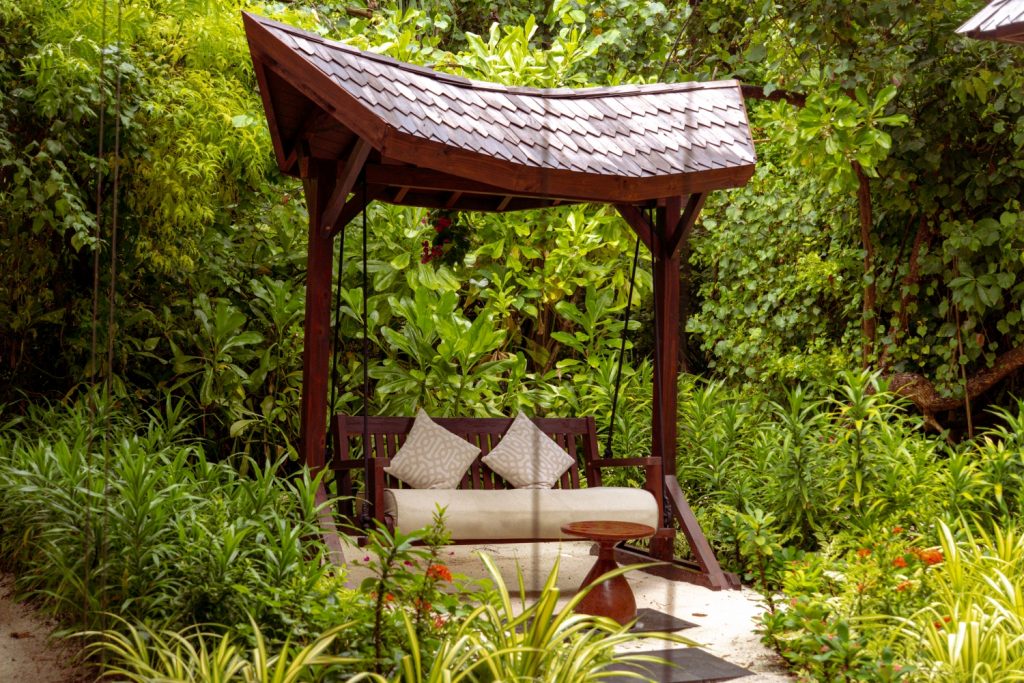
The future Mondrian Maldives will have 105 villas, comprising beach pool villas, overwater pool villas and three-bedroom beach pool residences. While the new identity will follow Mondrian’s design language, Pajdzinski says the physical product is also being informed by how guests have used Kuredhivaru over the years.
“We really recognised what our guests prefer, where they usually sit, what they are looking for in the villa itself, and also public space,” he says.
That feedback has been communicated to the design teams working on the project.
“The concept, the design, preserve the DNA of Mondrian brand, but at the same time, it’s extremely functional and built on the voice of the guests.”
This emphasis on guest behaviour reflects a wider principle behind the transition: introducing change without discarding knowledge accumulated under the existing operation.
That balance is particularly important because returning guests account for close to 20 per cent of Kuredhivaru’s business, according to Pajdzinski.
“Every fifth guest [is] coming back to us,” he says.
Rather than assuming what these guests want from the next phase of the resort, the team has been speaking with them.
“We are asking our guests what makes them come back and also what they would like to see in the future,” he says. “We are very close with them, listening to their voice and the feedback.”
For Pajdzinski, there are parts of the Kuredhivaru experience that should not be altered simply for the sake of a new identity.
Personalised service is one of them.
“We know our guests and guests feel very comfortable about that,” he says. “We know their preferences, we know them by name, their habits, and that gives them comfort every time when they come.”
The objective under Mondrian will be to retain this knowledge-led approach while introducing further layers to the resort experience.
“We really want to preserve this personalised service, being close with our guests, listening to them, and tailoring individually the service and the product for them.”
Lifestyle positioning in a competitive resort market
The shift to Mondrian will also provide a clearer framework for how the resort positions itself within the Maldives.
Pajdzinski does not see the property as competing solely within a conventional resort definition of luxury. Instead, he sees its identity increasingly centred on lifestyle, with culinary experiences, service and evening entertainment forming part of the proposition.
“We are positioning us not only as a traditional luxury but the lifestyle,” he says.
He points to the resort’s food and beverage operation as one of the areas that has developed during Kuredhivaru’s seven years of operation, alongside its service and entertainment programmes.
“We are true lifestyle luxury property, and we, with the right name, will continue that,” he says.
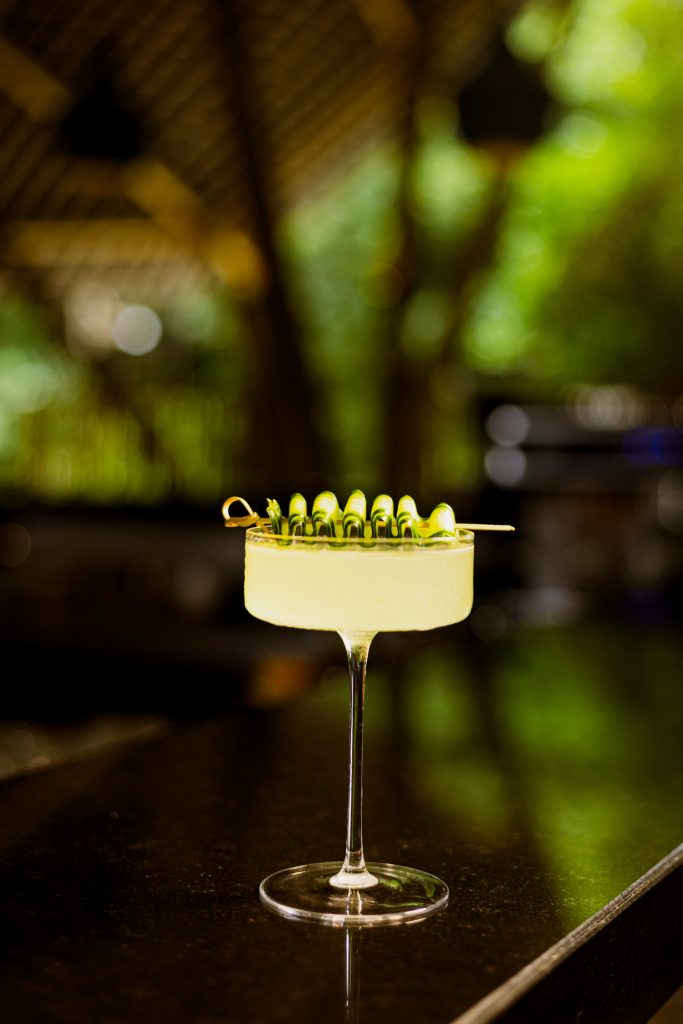
Food and beverage will remain a component of the Mondrian Maldives experience, with four restaurant and bar venues forming part of the resort’s offer.
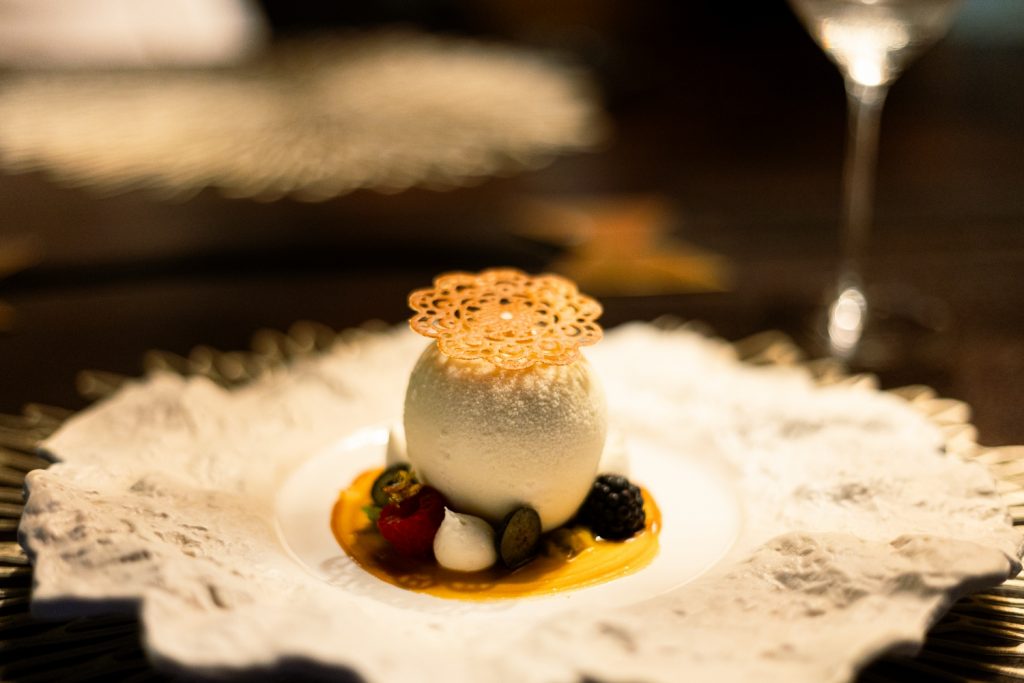
Pajdzinski views the challenge of resort dining differently from operating restaurants in a city or conventional destination.
Guests arriving in the Maldives often travel extensively and are familiar with restaurant and beverage trends in other international destinations. At the same time, once they reach a private island, their dining choices are concentrated within the resort for the duration of their stay.
“Once they are on the island, they don’t have much options to go somewhere else to a different restaurant on the other side of the street,” Pajdzinski says.
With stays commonly lasting seven to ten nights or longer, he believes this places responsibility on the culinary operation to provide enough variation over the course of the holiday.
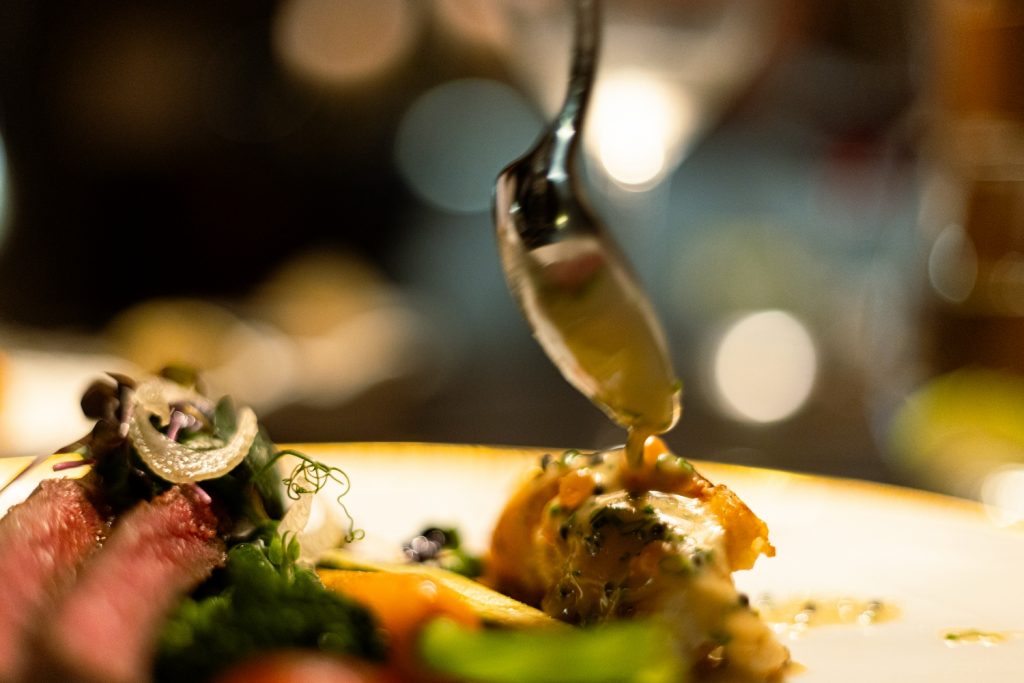
“We have a huge responsibility to create culinary variety, taste and experience, which makes them also feel like home and comfortable across such a long stay.”
The same thinking extends to younger guests.
Pajdzinski says food programmes for children and teenagers should be considered with the same attention given to adult dining. The resort therefore looks at nutrition, taste, presentation and familiarity when developing menus for families.
“Those teenagers and kids also need to be taken care of like adults,” he says. “Healthy food, attractive food, tasty food and also sometimes resembling what they have at home.”
Preparing 25 nationalities for one brand transition
While design changes are among the most visible elements of a rebrand, Pajdzinski sees the transition as an operational and people exercise.
Kuredhivaru’s workforce includes colleagues from 25 nationalities. Before the Mondrian launch, one of management’s priorities is ensuring that employees across that workforce understand what the brand represents and how it should translate into daily service.
“It is very important for me to align everybody with the vision, to understand what is the DNA of Mondrian brand,” Pajdzinski says.
Training, briefings and internal alignment are being used to prepare employees for the change, covering the brand’s service philosophy and the way its identity should be communicated to guests.
Again, Pajdzinski returns to the idea of evolution.
“We are not doing revolution,” he says. “We are amplifying what we’ve been doing until now and what was recognised as a successful recipe.”
The role of employees extends beyond implementing decisions made by management. Pajdzinski says team members who spend their working day interacting with guests provide information that helps determine how the resort should evolve.
“They understand what our guests are looking for,” he says. “They come to me, they come to the managers and share what potentially could work even better for our guests based on what they, being in direct touch with the guests, recognised.”
That feedback influences how the resort balances different types of experiences. Some guests want spaces where they can spend much of the day in the environment associated with a Maldivian island holiday. Others also want entertainment and social experiences.
The lifestyle model, as Pajdzinski describes it, is intended to accommodate both.
Measuring success beyond occupancy
For a resort rebrand, performance will inevitably be measured through occupancy, revenue and market response. Pajdzinski, however, identifies two other indicators he will follow closely after the transition: returning guests and employee retention.
The existing repeater rate provides one test of whether Mondrian Maldives can introduce a different brand identity without weakening the relationships Kuredhivaru has built.
“More guests maybe, but also even more repeater guests, not to lose what we have built until now,” he says.
Some guests, he notes, have already visited the resort eight, ten or 15 times.
“If in the next two, three years from the date of transition, I could say that our ratio of the repeaters has grown… that’s the best compliment.”
The second measure is what happens to the people working on the island.
Pajdzinski wants the transition to create career opportunities for employees who have helped build the resort’s existing operation.
“It’s also the evolution of our team,” he says. “[It is] not to lose our stars, not to lose our team members who dedicate their passion, who learn, who adapt, who contribute to the success.”
Mondrian’s international brand platform could, he believes, give those employees a route to develop their careers at the property or within the wider network.
“Who knows, maybe for the next step somewhere else, but proudly presented that they grew in this property with this brand.”
For Pajdzinski, who has been involved with the resort for nearly six years, the transition therefore represents more than a change in signage or design.
It is a test of whether an established island resort can retain the relationships, knowledge and service culture it has accumulated while placing them within a different brand framework.
The language he repeatedly uses is evolution.
Mondrian Maldives will introduce its own design and lifestyle identity. But the resort’s strategy is also based on preserving the elements that have brought guests back, listening to the employees who serve them, continuing relationships with local communities and using seven years of operating experience to guide what changes next.
“I’m extremely proud of being part of this journey for nearly six years,” Pajdzinski says, “and I’m looking forward with excitement for the future.”