



One&Only Reethi Rah’s award-winning Ayaaz Mohamed on the foundations of F&B leadership
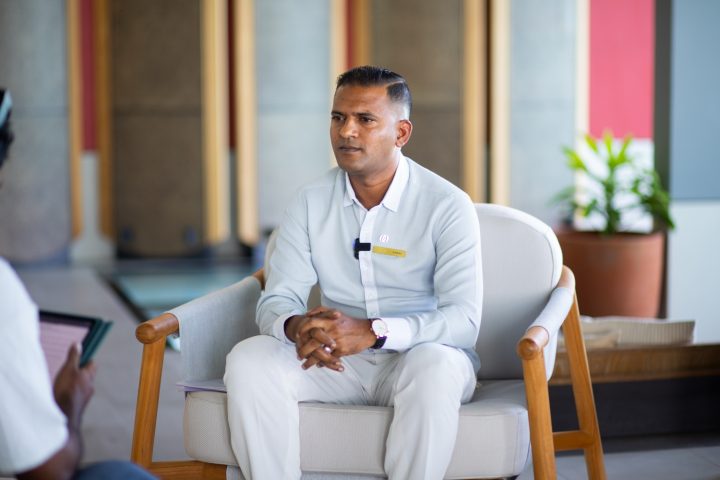
Before taking responsibility for food and beverage operations, Ayaaz Mohamed worked as a launch crew member, gardener, room boy and steward. Each role gave him a view of how a resort functions and what its employees contribute to a guest’s stay. Those experiences continue to inform the way he leads as Food & Beverage Manager at One&Only Reethi Rah.
“Never underestimate where you start,” he says.
It is advice rooted in his own progression through hospitality. Ayaaz regards those jobs as the foundation of his understanding of the industry. Working across functions taught him to consider an operation from several perspectives, a habit that now carries into his decisions about service, training and the colleagues he manages.
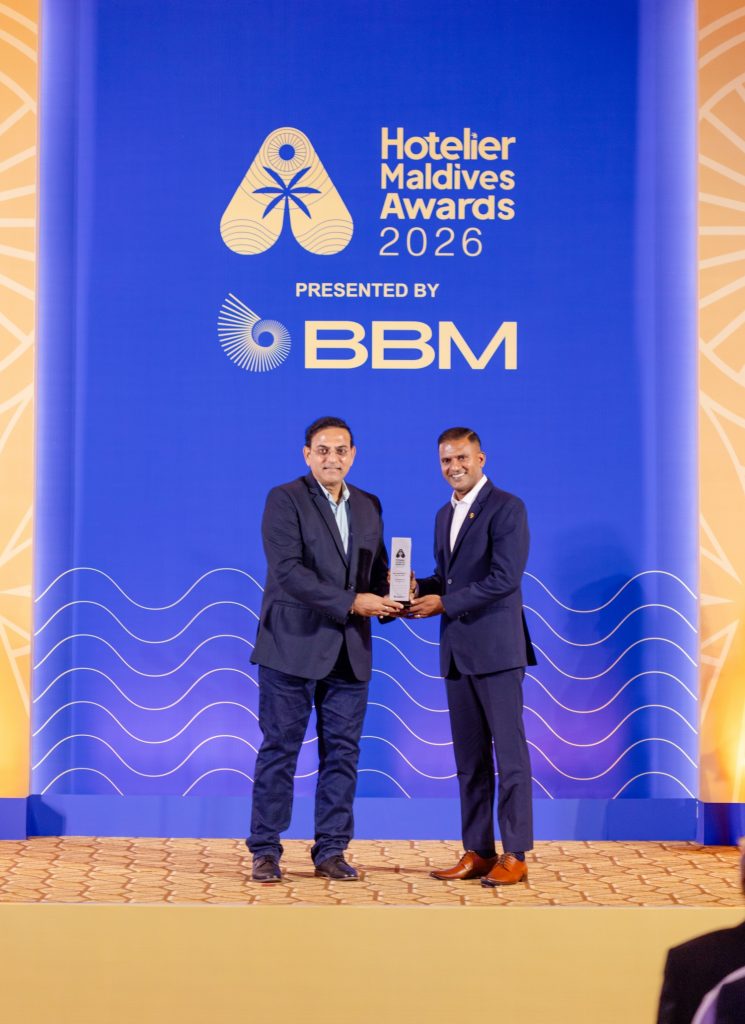
His recognition as F&B Personality of the Year at the Hotelier Maldives Awards 2026 brings that journey into focus. Yet, when asked what the award means, he begins with the people who helped him along the way.
“It’s not an individual award,” he says.
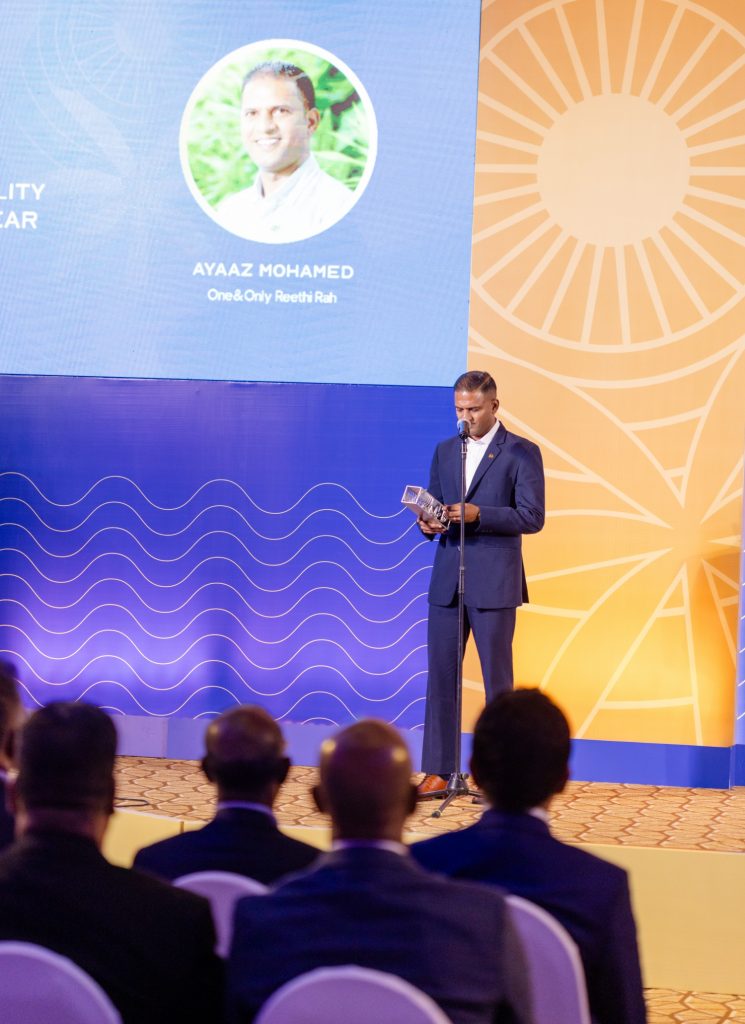
He describes his mother as “the foundation of who I am today”. His wife has sustained his hope through periods of difficulty, while his two children give him reasons to keep going. His brothers and sisters also share in that recognition, as does a friend from childhood whose feedback has remained a source of support through setbacks and progress.
The same acknowledgement extends to his colleagues and mentors. Ayaaz speaks of learning from the people he has worked alongside and of the guidance that has helped him continue developing. “Professionally this award inspires me to do more,” he says.
His move into front-of-house work changed how he understood service. Direct contact with guests allowed him to observe an experience from their perspective. Joining One&Only Reethi Rah then broadened that view, exposing him to the connections between dining operations, guest engagement and building a team.
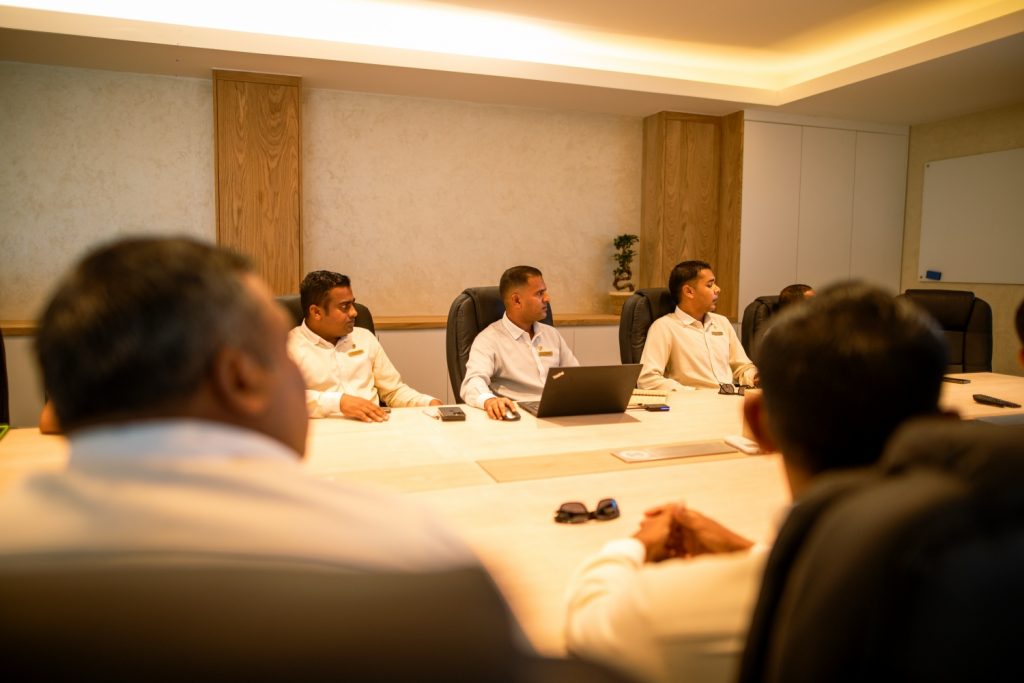
That experience helps explain his preference for being present in the operation. Ayaaz wants to spend time with colleagues on the floor, where he can see which issues need attention and where someone might benefit from guidance. Email and messages have their uses, but his account of leadership centres on making time for conversations.
“I would prefer to be very operational, be on the floor,” he says.
One-to-one sessions help him understand a colleague’s potential and identify areas for development. They also inform how training is designed. Alongside the compulsory requirements of food and beverage work, he believes development should take account of what each person already knows and what they need to learn.
When considering future leaders, he looks for someone who is “eager to learn”. That willingness gives him a starting point for guidance. Understanding the individual comes first; the training can then build on their knowledge and address the gaps in it.
Across the resort’s restaurants and bars, this attention to understanding serves another purpose: maintaining consistency while allowing each outlet to offer its own experience. For Ayaaz, the starting point is a shared understanding of what the operation expects and why.
“Consistency comes from a clear understanding of standards,” he says.
Daily training across the outlets reinforces those expectations. His aim is for guests to encounter the same level of service wherever they dine or order a drink, while recognising differences in the experience each venue provides. Explaining the reasons behind the standards helps colleagues apply them within those settings.
He returns to that principle when discussing LQA and Forbes Travel Guide assessments. Standards need to support interactions that guests remember after returning home. Employees who understand the purpose of a requirement are better placed, in his view, to make their service personal.
“One thing in hospitality is if there is anything which is scripted, you don’t feel it,” he says.
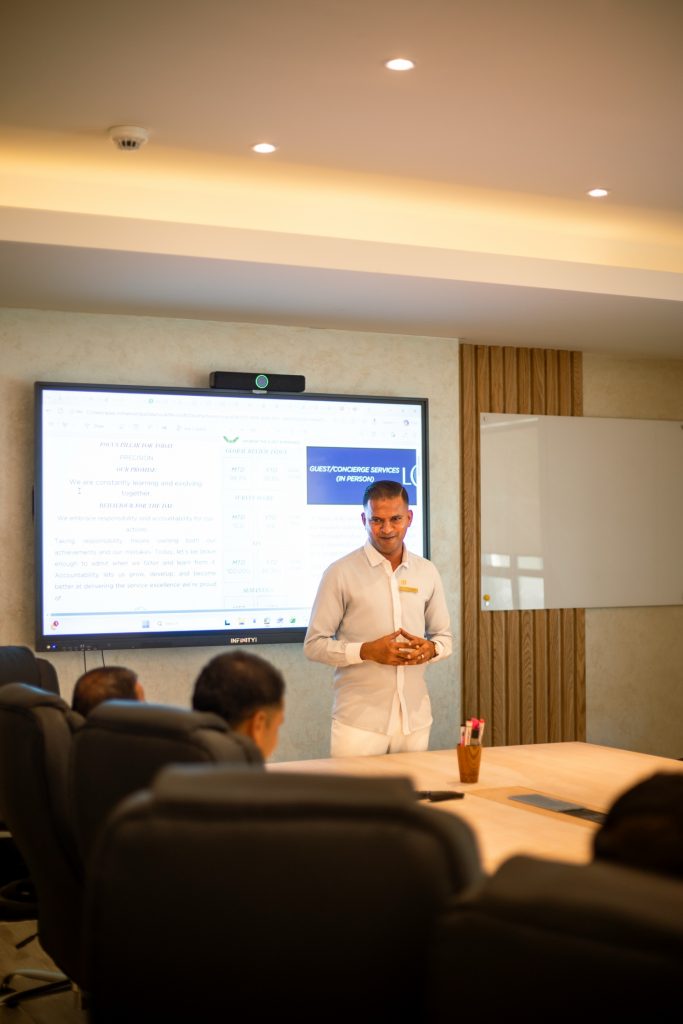
Training therefore begins with the reasoning behind the service expectations. Ayaaz associates that understanding with the team’s ability to maintain performance against the resort’s assessment standards year after year.
He applies the same thinking to hygiene. Ayaaz attributes the resort’s 92.7 per cent score in an FSMS hygiene audit to a team effort built around training, inspection and communication. Colleagues need to understand why the work matters to the person staying at the resort.
“We try to build a culture here where everybody understands it’s part of guest experience,” he says.
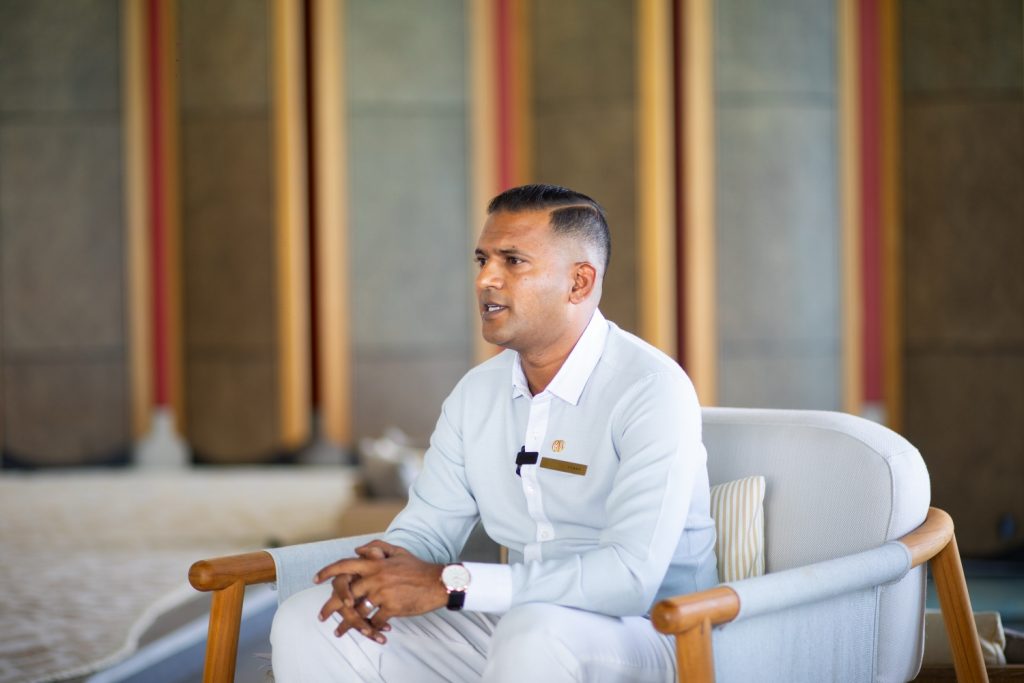
Regular training and daily inspections support that approach. A team drawn from across the resort exchanges information and identifies opportunities to improve. Internal audits help reveal areas requiring attention before an external assessment, with the findings used to direct subsequent training.
The score reflects routines that colleagues are expected to sustain, and the process of identifying gaps feeds back into their development. It connects the outcome of an assessment with the work required to improve the operation.
The relationship between guest expectations and operational decisions also guides his approach to dining concepts. Asked how he balances creativity with efficiency, cost control and profitability, his starting point is that “creativity should support business”.
The team gathers data and records guest preferences, using that information to guide discussions about what to introduce. “So we sit down with operational teams and culinary team to understand what we are going to execute,” he says. Ideas are assessed through their contribution to the guest’s stay.
Visiting chef collaborations and mixology events follow the same reasoning. “Pre-planning, very simple,” he says when asked what makes these experiences work in an island resort setting.
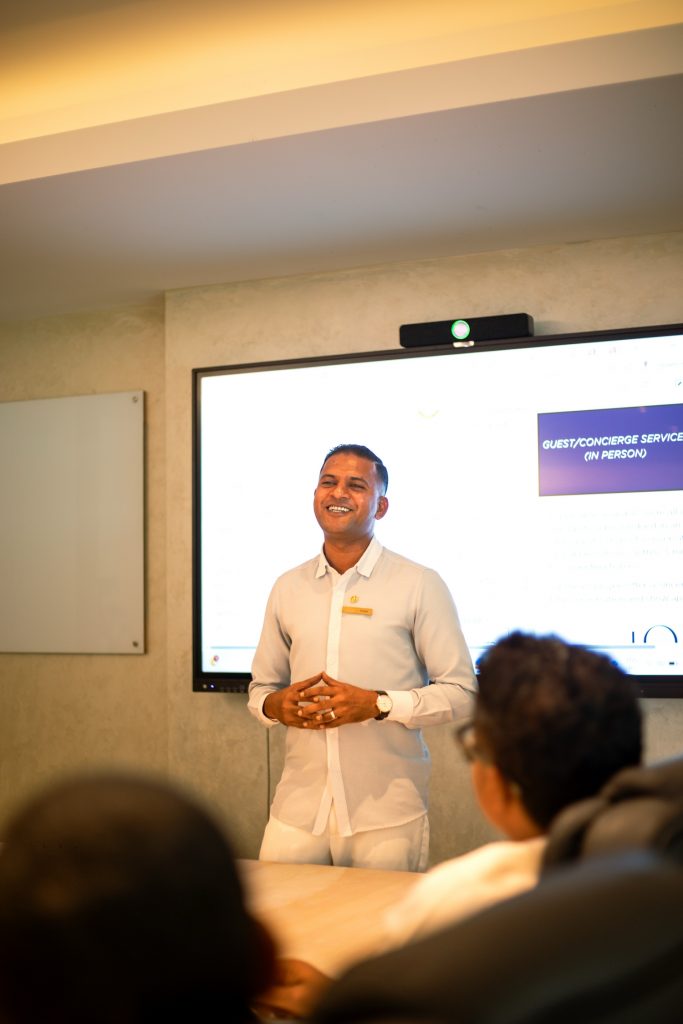
The culinary and beverage teams develop ideas together, considering what guests want and whether a proposed collaboration will add value to their visit. Ayaaz also follows developments in food and beverage elsewhere in the world, with relevance to the resort’s guests guiding what is introduced.
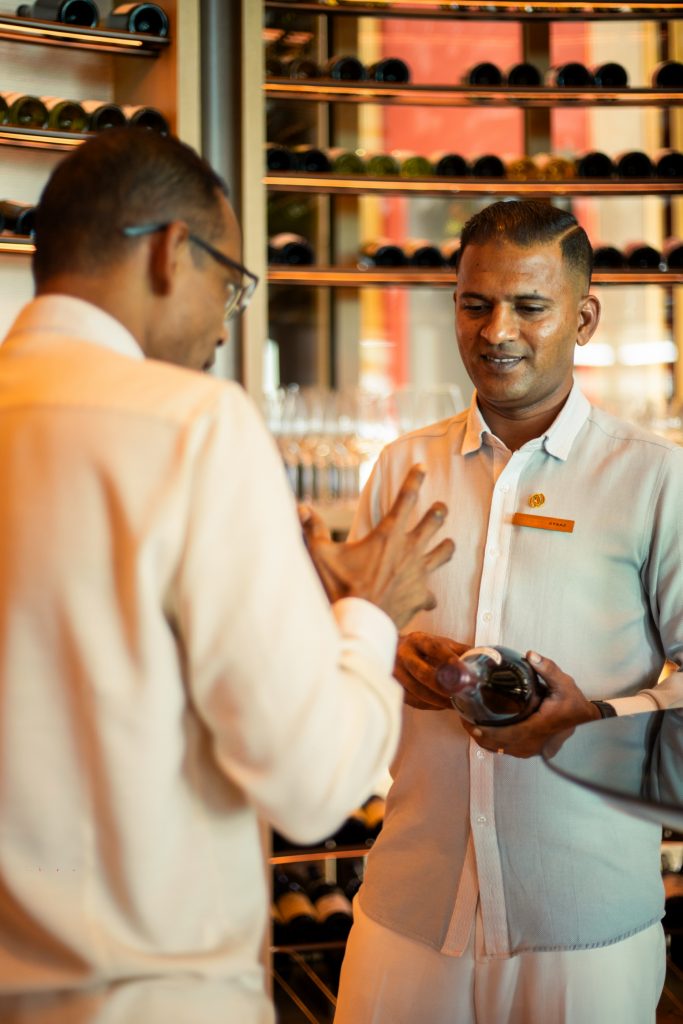
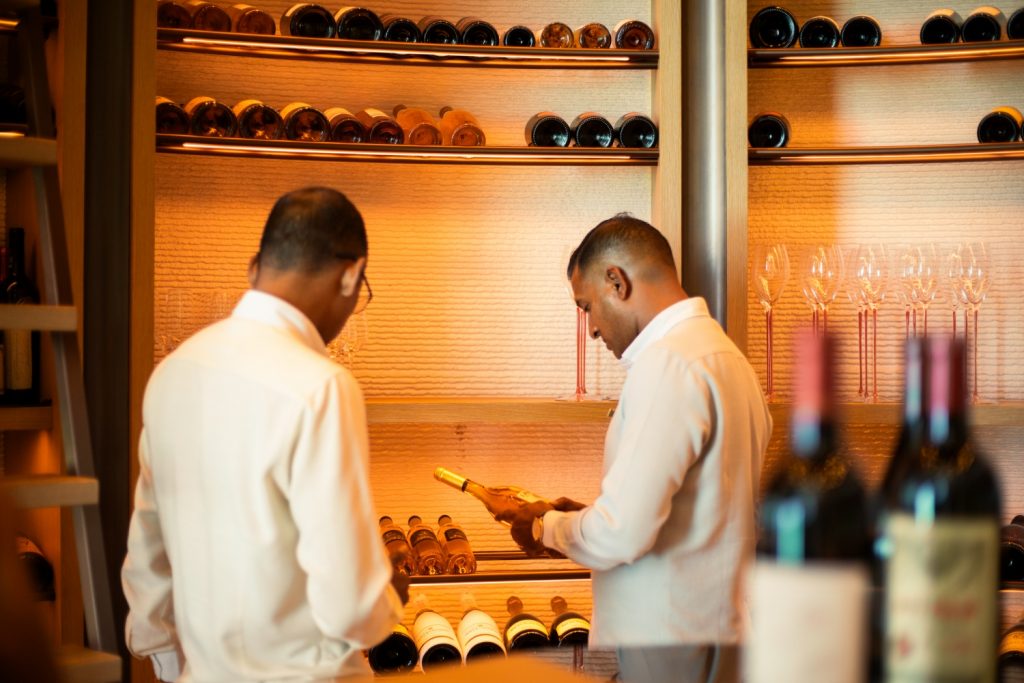
Beverage training illustrates how he wants that value to be communicated. Whether serving wine, a cocktail or a mocktail, colleagues are encouraged to understand the story behind what they offer. Training covers the drink’s history, the thinking behind its creation and the reason for its name.
That knowledge gives the team more to share with a guest. A beverage becomes an opportunity for conversation and discovery, extending the experience beyond the act of ordering and drinking. It also gives a practical purpose to staff education: colleagues can use what they learn during service.
The festive season brings these elements of planning, training and collaboration together. A football supporter, Ayaaz compares the period to a “Champions League final or a World Cup final”. It is an occasion for which the resort prepares collectively.
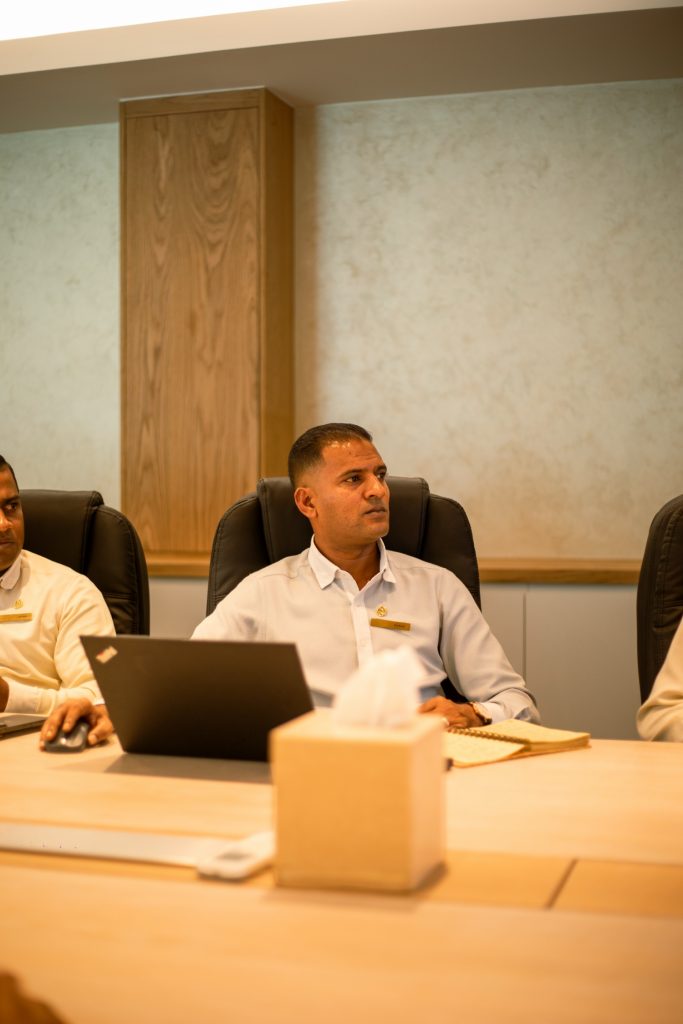
Preparations draw on the previous year’s experience and the areas the team believes it can improve. Employees at every level have an opportunity to contribute feedback, including what they have learnt from guests. Those observations help shape the programme for people returning to the island.
Reflecting on Festive 2025, Ayaaz cites a repeat guest share of 62 per cent. Feedback from returning visitors matters because they bring their memories of earlier stays to the experience. When they recognise something different in the celebrations, he sees it as encouragement for the colleagues who planned and delivered them.
Looking beyond his own operation, Ayaaz wants more young Maldivians to see a future in tourism. He believes they have a role in shaping what the country offers as travellers and their expectations change. In particular, he points to the need to understand Generation Z and the experiences its members will seek.
He sees an opportunity for younger entrants to contribute ideas while building on the work of the industry’s pioneers. Education has a part to play, too. Ayaaz believes the education system should contribute more to preparing people for hospitality, and that those already working in the sector should help equip the next generation.
For him, a career in tourism provides opportunities to learn about conduct and responsibility as well as the work itself. His own experience across resort departments gives substance to that view. The knowledge acquired in each role has remained useful as his responsibilities have grown.
The award offers a moment to recognise that progression, but his attention remains on learning and helping others develop. For the young Maldivian considering where to begin, Ayaaz’s advice returns to the jobs that first taught him how an operation works: “Never underestimate where you start.”